Woma Python
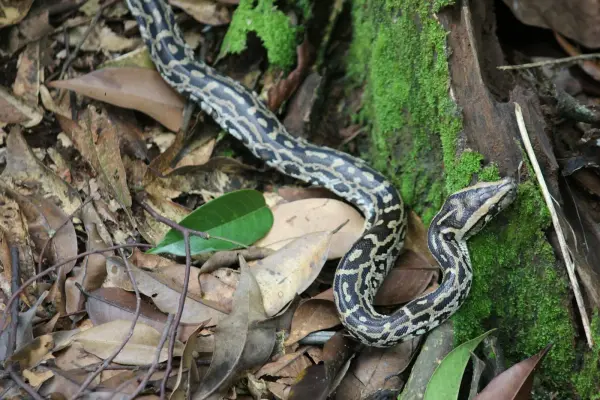
A captive-bred woma python with bold orange-brown banding and a famously strong feeding response — an active, hardy Australian desert python.
$449.00intermediate
Live Arrival Guarantee on every animal · Supplies ship worldwide
Liasis olivaceus
$599.00
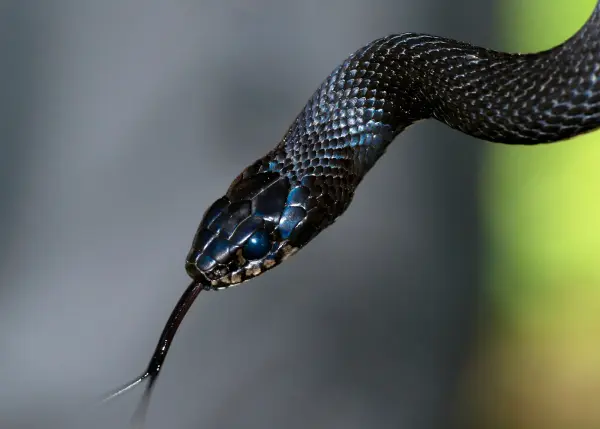
A captive-bred olive python — Australia's second-largest snake — with smooth olive-brown scales and a calm, confident temperament.
Only 3 left
Live animal notice
Ships overnight Monday–Wednesday within the US, only when weather along the route is safe. Shipping depends on your local laws; at checkout you'll confirm that you are 18+ and agree to our Live Animal Policy.
SKU: LR-PY-OLIV
The olive python is a big, impressive Australian species with glossy olive-brown scales and a notably calm, confident demeanor for its size. Olive pythons are strong, active, and rewarding for keepers ready for a large snake, and they become remarkably tame with regular, confident handling. Our olive pythons are captive bred and established on frozen/thawed rats.
Olive pythons grow fast on a steady diet, so plan the adult enclosure early — a 6 ft cage is a realistic minimum for an adult. Two people should handle any olive over 6 ft.
| Scientific name | Liasis olivaceus |
|---|---|
| Care level | intermediate |
| Adult size | 6–9 ft (180–275 cm) |
| Lifespan | 20–30 years |
| Diet | Appropriately sized frozen/thawed rats every 10–14 days |
| Temperature | Warm side 88–92°F (31–33°C), cool side 78–82°F (26–28°C) |
| Humidity | 50–60% |
No reviews yet. Reviews come from verified buyers only.
A captive-bred woma python with bold orange-brown banding and a famously strong feeding response — an active, hardy Australian desert python.
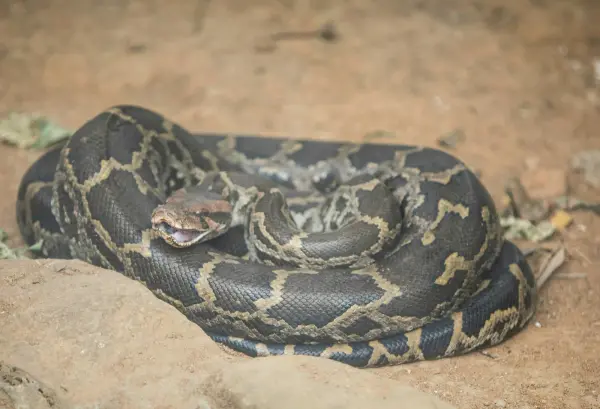
A coastal carpet python with bold olive and cream patterning — a hardy, active Australian python that becomes tame with regular handling.
A Trans-Pecos rat snake with soft blonde coloration and huge dark eyes — a gentle, nocturnal desert species with a calm temperament.
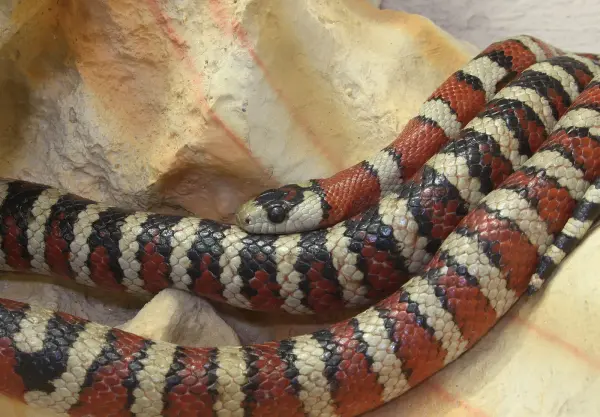
An Arizona mountain kingsnake with vivid red, black, and white banding — a stunning montane species that thrives in cooler conditions.