Bioactive Crested Gecko Vivarium Kit – 18×18×36
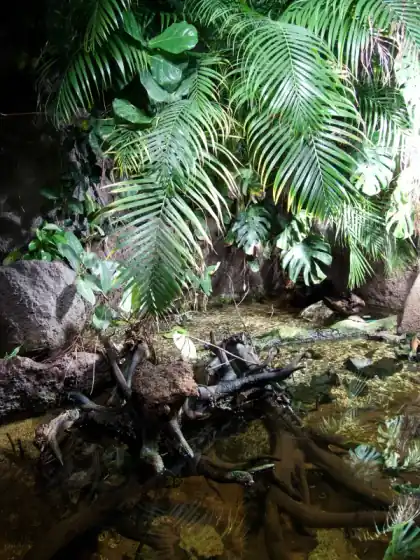
A tall 18×18×36 bioactive crested gecko vivarium kit with drainage, soil, leaf litter, live plants, cork and a springtail and isopod cleanup crew.
$429.00Was $479.00
Live Arrival Guarantee on every animal · Supplies ship worldwide
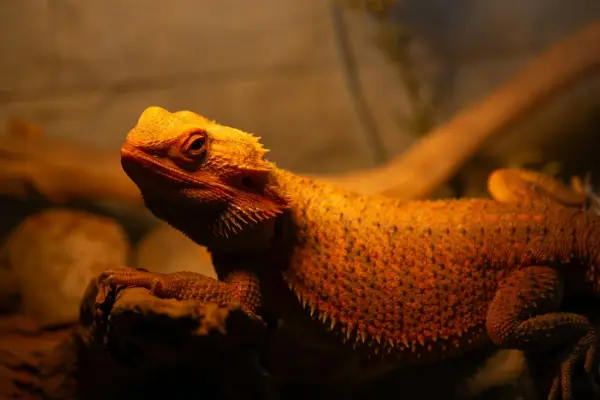
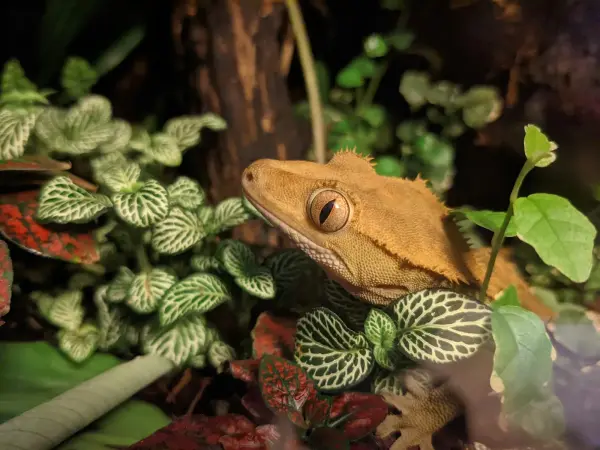
Representative photo — the pictured animal is the same species and morph, not the exact animal for sale.
$34.00
An isopod breeding bin kit with a vented 6 qt bin, substrate, leaf litter, cork and calcium, everything to culture your own cleanup crew.
In stock — ready to ship
SKU: EN-IB-06
This isopod breeding bin kit lets you raise your own cleanup crew for bioactive enclosures, so you never run out of isopods. It includes a vented 6 qt bin, a moisture-holding substrate, leaf litter, cork bark and a calcium source, which is everything a colony needs to breed. Isopods are one of the fastest-growing parts of the reptile hobby, both as bioactive helpers and as fascinating pets in their own right.
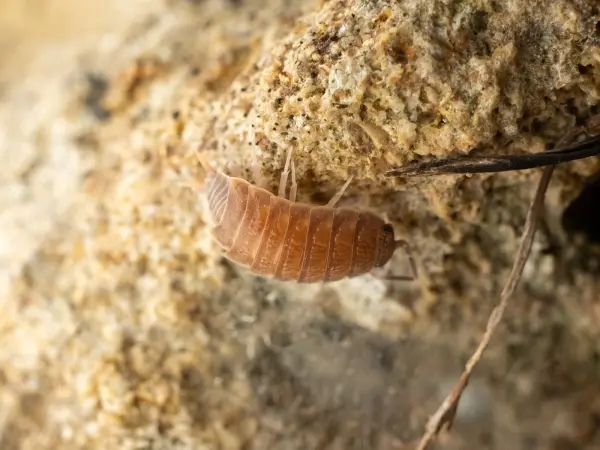
Isopods are not included, so you can choose a species that matches your bioactive enclosure. Our powder orange isopods are an easy, fast-breeding starter species.
Within a few months a healthy colony produces enough isopods to seed new enclosures. Add a few springtails to control mold. Our bioactive terrarium guide explains how isopods fit into a cleanup crew.
Fast species such as powder orange isopods can produce a new generation every few weeks in warm, humid conditions with plenty of leaf litter. Larger species breed more slowly.
Mainly decaying leaves and wood, plus occasional vegetables and a protein source such as fish flakes. Calcium from cuttlebone supports healthy molting.
A healthy isopod bin smells earthy, like a forest floor. A bad smell usually means too much uneaten food or too much water, so remove leftovers and let it dry slightly.
No reviews yet. Reviews come from verified buyers only.
A tall 18×18×36 bioactive crested gecko vivarium kit with drainage, soil, leaf litter, live plants, cork and a springtail and isopod cleanup crew.
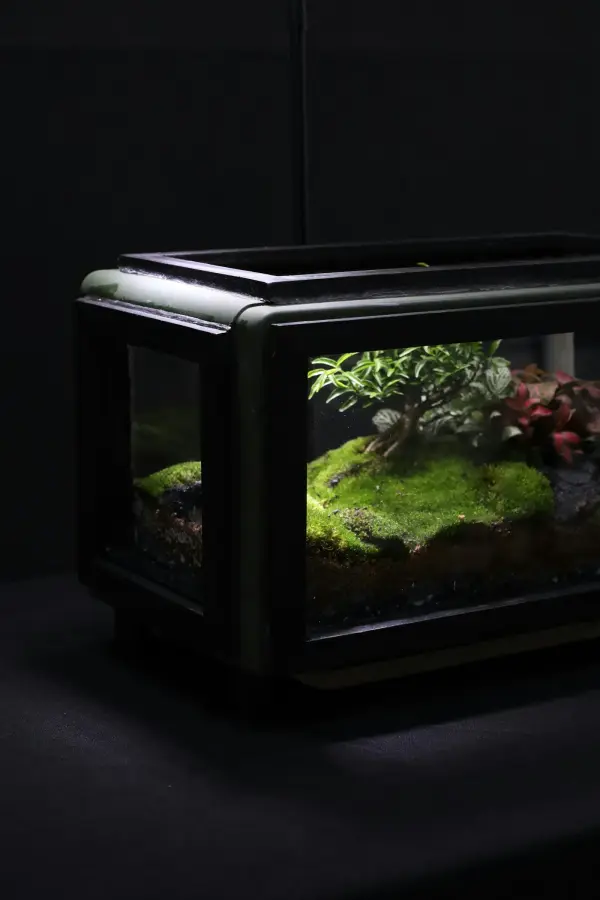
Everything for a self-cleaning tropical vivarium: terrarium, drainage layer, soil, leaf litter and décor.
Desert bioactive kit with arid soil blend, basking rock and hides for leopard geckos and other dry-climate species.
The go-to vertical glass terrarium for an adult crested gecko or a planted bioactive build.
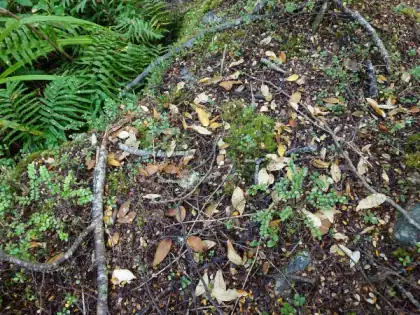
Sterilized oak and magnolia leaves that feed isopods and add natural cover to any bioactive enclosure.
Twelve live powder orange isopods (Porcellionides pruinosus): fast-breeding, hardy cleanup crew for tropical and arid bioactive setups.
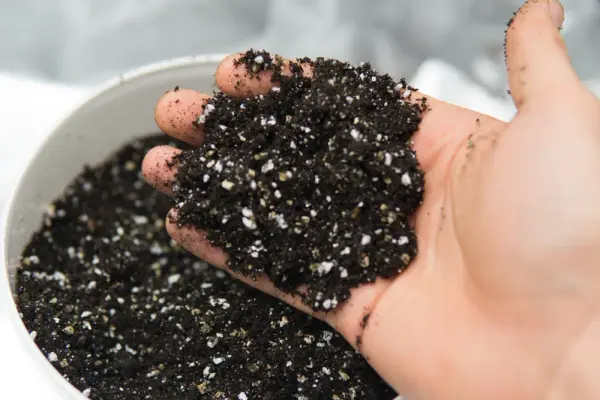
Ready-to-use tropical bioactive soil: organic topsoil, coco, sphagnum, charcoal and leaf matter.
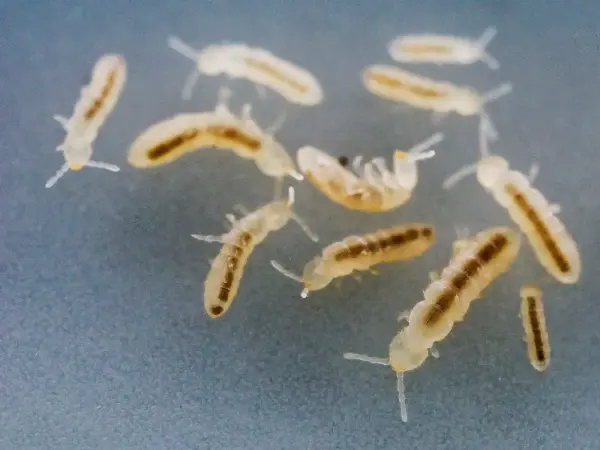
A thriving live springtail culture to seed bioactive terrariums. Springtails eat mold and fungi and keep tropical setups clean.