Ball Python – Normal (Classic)
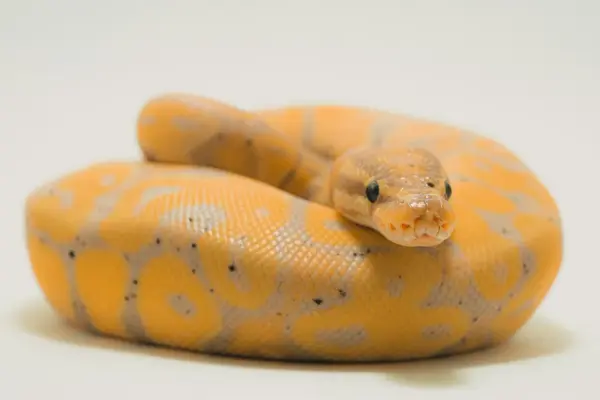
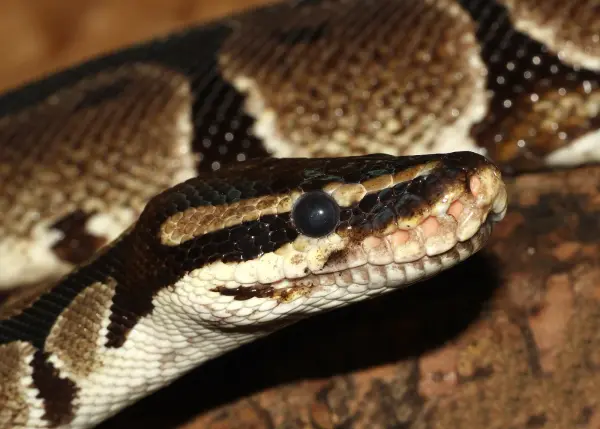
A calm, captive-bred classic ball python hatchling with rich chocolate and gold banding — the ideal first snake.
$79.00beginner
Live Arrival Guarantee on every animal · Supplies ship worldwide
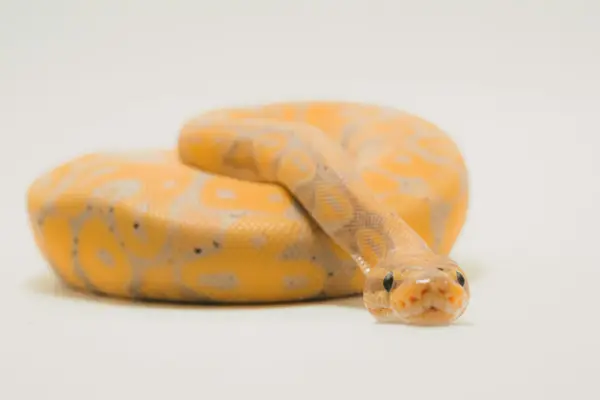
Representative photo — the pictured animal is the same species and morph, not the exact animal for sale.
Python regius
$149.00
A captive-bred pinstripe ball python with a clean tan body and fine dorsal pinstripe. Eating frozen/thawed mice and easy to handle.
In stock — ready to ship
Live animal notice
Ships overnight Monday–Wednesday within the US, only when weather along the route is safe. Shipping depends on your local laws; at checkout you'll confirm that you are 18+ and agree to our Live Animal Policy.
SKU: LR-BP-PIN
The pinstripe ball python is a classic dominant morph that replaces the normal ball python's chunky blotches with a clean, lighter body and a fine dark stripe running along the spine. It is one of the most recognizable ball python morphs, popular on its own and as a building block for combinations like the "bumblebee" (pastel pinstripe). If you want a ball python with a cleaner, more modern look but the same calm temperament, the pinstripe is a great choice.
Our pinstripes are captive bred, have eaten at least four frozen/thawed meals and are handled regularly before shipping.
Adults do best in a 4×2×2 ft (120×60×60 cm) enclosure, ideally PVC, which holds heat and humidity well. Provide two snug hides, plenty of clutter, a warm side of 88–92°F (31–33°C) and a cool side of 76–80°F (24–27°C), with every heat source on a thermostat. Our Ball Python Complete Starter Kit has everything matched, and our ball python care guide covers humidity, feeding and handling in detail.
Keep humidity at 60–80% with a moisture-holding substrate such as cypress mulch. A humid hide helps with clean sheds.
Feed frozen/thawed rodents about as wide as the snake's thickest point: hopper mice for young snakes, moving to small rats as adults. Juveniles eat every 7–10 days and adults every 2–3 weeks. Healthy adults sometimes fast for weeks, which is normal as long as weight holds.
Yes. Unlike a few ball python genes associated with neurological issues, pinstripe is not linked to a "wobble" or other known health problem.
A bumblebee is a pastel pinstripe: a ball python carrying both the pastel and pinstripe genes, giving a bright yellow and black, heavily reduced pattern.
The same as any ball python: usually 3–5 ft (90–150 cm), with females growing larger and heavier than males.
| Scientific name | Python regius |
|---|---|
| Care level | beginner |
| Adult size | 3–5 ft (90–150 cm) |
| Lifespan | 25–30+ years |
| Diet | Frozen/thawed mice, then rats, every 7–21 days depending on age |
| Temperature | Warm side 88–92°F (31–33°C), cool side 76–80°F (24–27°C) |
| Humidity | 60–80% |
No reviews yet. Reviews come from verified buyers only.
A calm, captive-bred classic ball python hatchling with rich chocolate and gold banding — the ideal first snake.
A GHI ball python with deep chocolate tones, dark speckling, and a striking blushed pattern — a bold, high-contrast morph.
A captive-bred Enchi ball python with warm golden tones and a bold, reduced pattern — a calm, hardy classic with extra brightness.
A captive-bred sunglow corn snake: a vivid orange amelanistic corn snake with reduced white, for a glowing sunset look.