Ball Python Care Guide: Enclosure, Heat, Humidity and Feeding
Everything you need to keep a healthy ball python, from enclosure size and heat gradient to humidity, feeding schedule and what to do when it fasts.
- By ScaleHaven Care Team
- Published
- Updated
- 5 min read
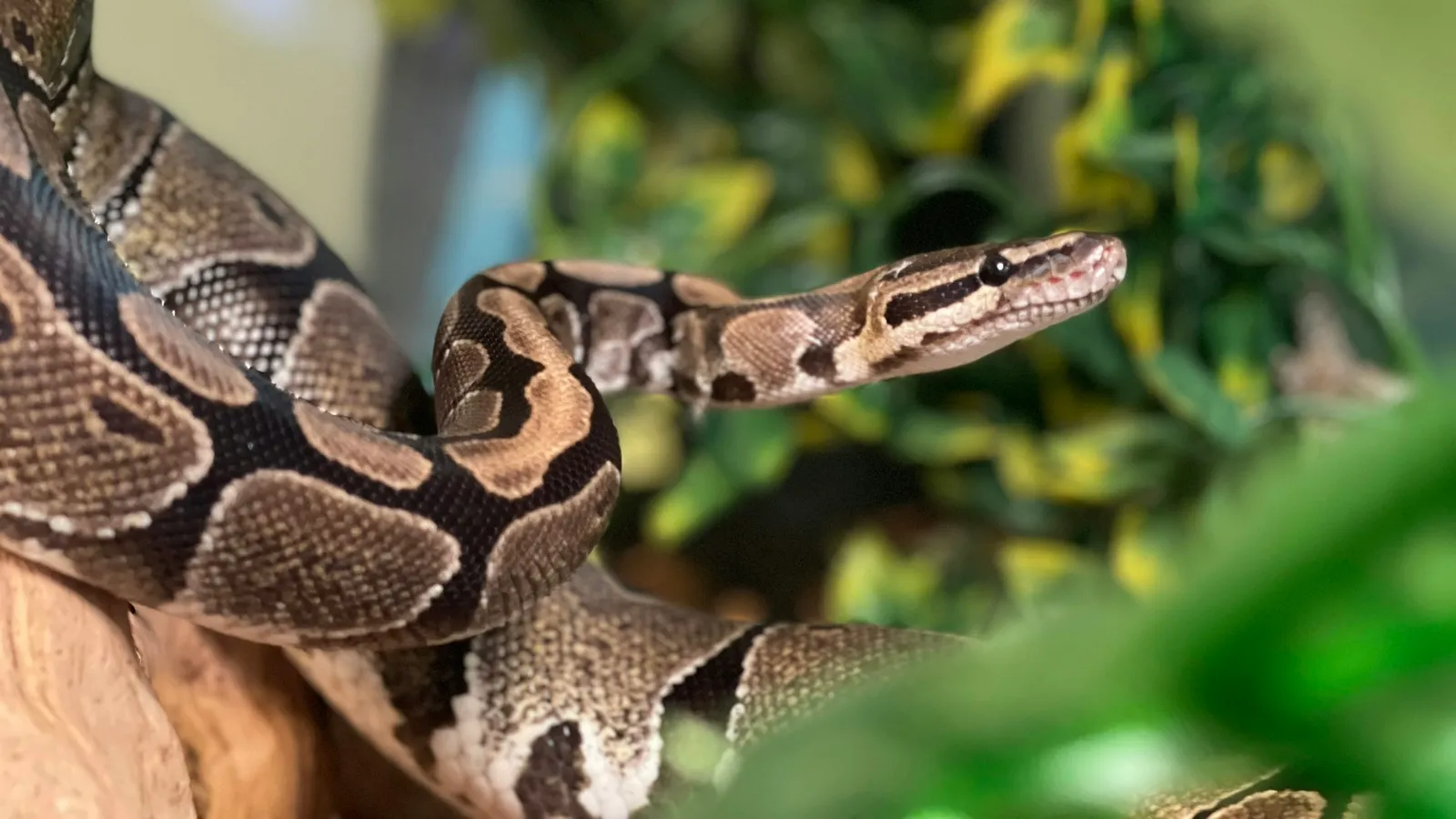
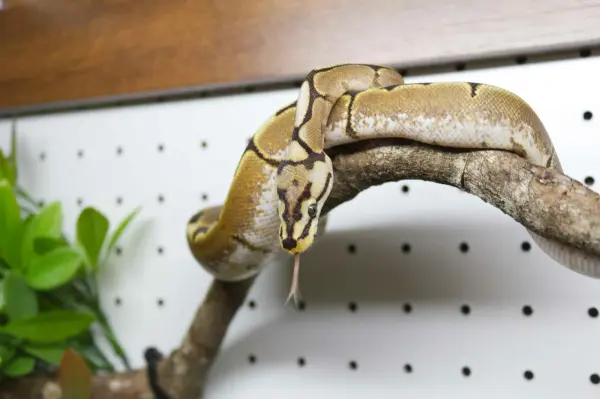
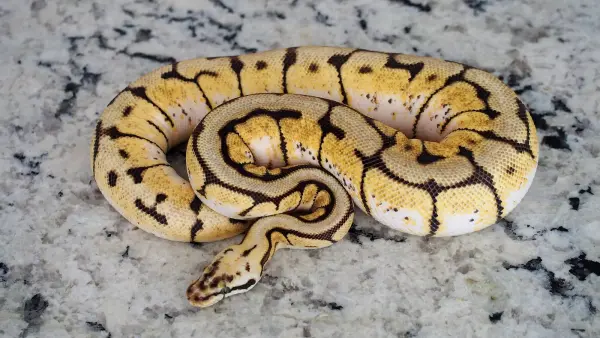
Ball pythons (Python regius) are calm, slow-moving snakes from the grasslands and open forests of West and Central Africa. Their name comes from their habit of curling into a tight ball when nervous, rather than biting. They stay a manageable size, typically 3–5 ft (90–150 cm), tolerate handling well and come in hundreds of color morphs. With good care they live 25–30 years or more, so a ball python is a long commitment.
Enclosure
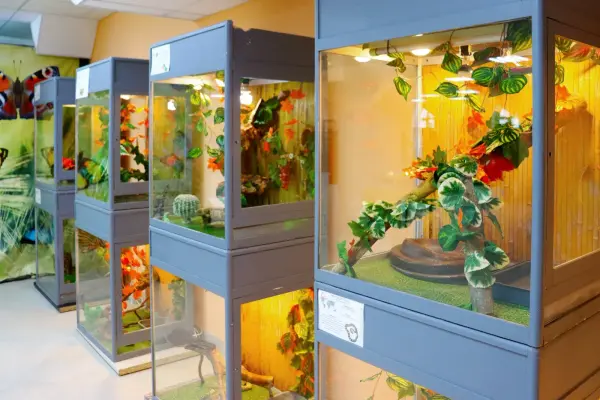
- Adults: a 4×2×2 ft (120×60×60 cm) enclosure gives an adult room to stretch out and explore. Large females may appreciate more.
- Juveniles: can start in a 3×2×2 ft enclosure, as long as it's filled with cover. Small snakes feel exposed in big, empty spaces.
- Material: PVC enclosures like our 4×2×2 PVC reptile enclosure hold heat and humidity much better than glass tanks with mesh lids, which makes the rest of the setup easier. Our Ball Python Complete Starter Kit bundles everything you need.
- Secure doors: snakes are expert escape artists. Use locking front doors or clips.
Hides, clutter and enrichment
Ball pythons are shy ambush predators that spend much of the day hidden. Provide two identical, snug hides, one on the warm side and one on the cool side, so the snake never has to choose between feeling secure and being at the right temperature. Add plenty of clutter: cork bark, branches, artificial plants and leaf litter. A snake that feels exposed is more likely to refuse food.
Ball pythons will also climb when given low, sturdy branches, especially as juveniles.
Substrate
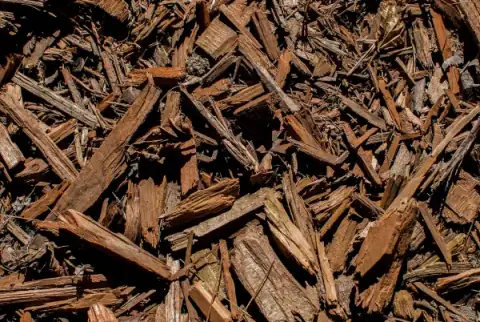
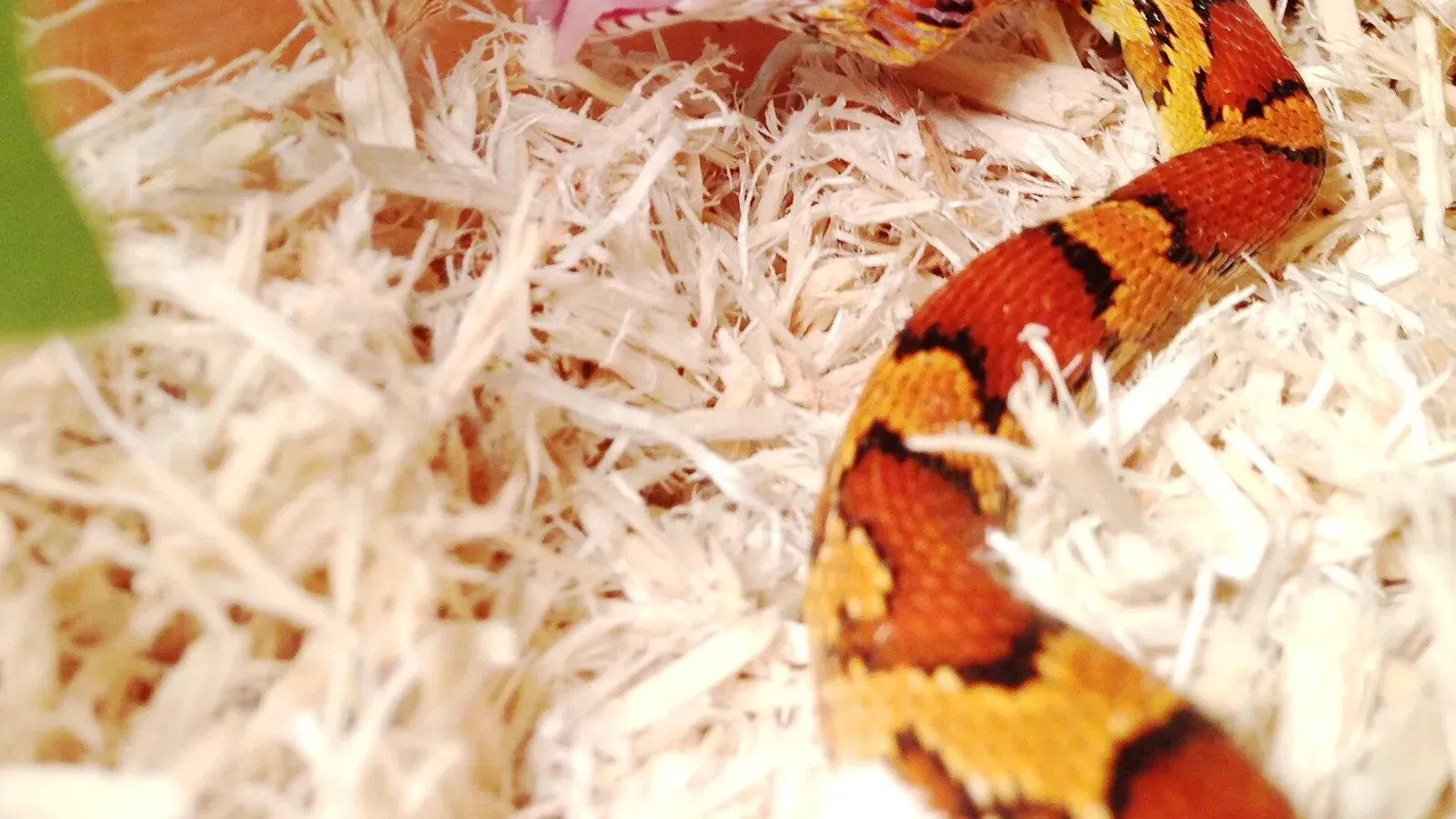
Choose a substrate that holds moisture without becoming soggy. Cypress mulch, coco fiber, or a soil and bark mix all work well, 3–4 in (8–10 cm) deep. Avoid aspen for humid setups, because it molds when wet, and avoid cedar and pine, which release irritating oils.
Heat
| Zone | Target |
|---|---|
| Warm-side surface (basking spot) | 88–92°F (31–33°C) |
| Warm-side air | 84–86°F (29–30°C) |
| Cool side | 76–80°F (24–27°C) |
| Night | No lower than 72°F (22°C) |
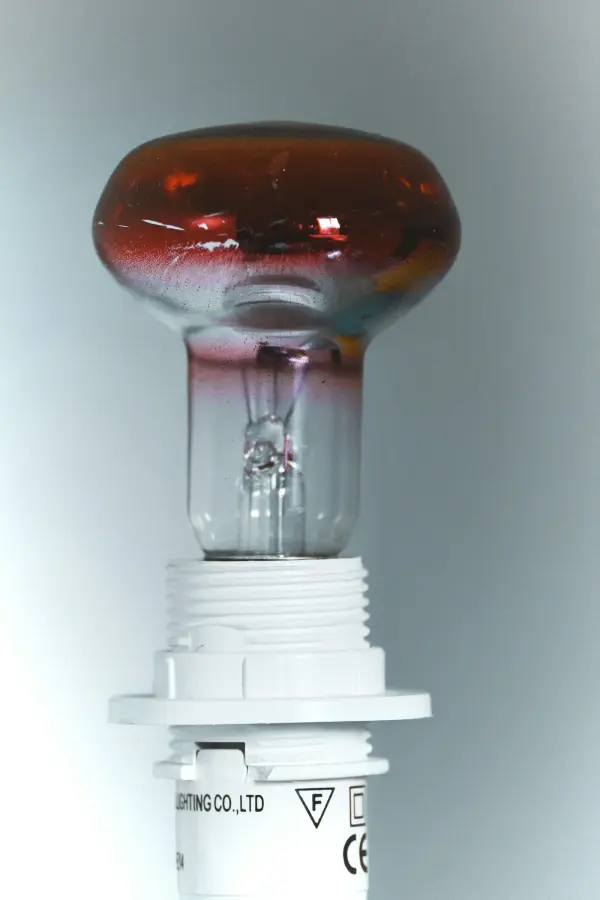
Overhead heat warms the snake's body more evenly than belly heat alone. A radiant heat panel or a deep heat projector both work well in PVC enclosures and produce little or no visible light, so you can leave them on at night if your room runs cold.
Run every heat source through a thermostat. A proportional thermostat holds non-light heaters at a steady temperature. Place the probe at the basking spot, and check the hide and cool-side temperatures with a separate thermometer. Our reptile heating guide covers the details.
Lighting
Ball pythons don't strictly require UVB if they eat whole prey, but low-level UVB (a 5–6% tube over part of the enclosure) is increasingly recommended because it supports natural behavior and vitamin D3 production. Either way, give your snake a consistent 12-hour day and night cycle with a timer.
Humidity
Keep humidity at 60–80%. Low humidity is the most common cause of stuck sheds and can contribute to respiratory problems.
- Use a moisture-holding substrate and mix in water when it starts to dry out.
- Mist lightly if needed, but avoid keeping the enclosure soaking wet. Stagnant, wet conditions can cause scale rot.
- A humid hide with damp sphagnum moss helps during shedding.
- Measure with a digital hygrometer at snake level.
See our humidity guide for reptiles for more ways to raise or lower humidity.
Feeding
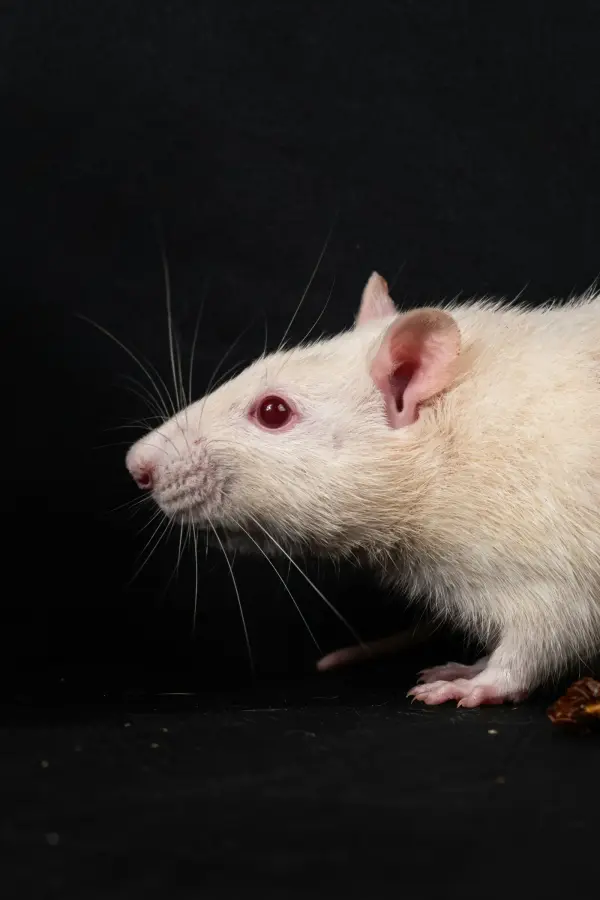
Ball pythons eat whole rodents. Frozen/thawed prey is the safest option, because live rodents can seriously injure a snake.
- Prey size: about 1–1.25 times the width of the snake at its thickest point.
- Thawing: thaw in the fridge overnight, then warm the sealed prey in hot (not boiling) water until it's warm to the touch all the way through. Never microwave.
- Offering: use long feeding tongs and offer the prey in the evening, when ball pythons are most active.
- After feeding: don't handle the snake for 48 hours, to avoid regurgitation.
| Age | Prey | How often |
|---|---|---|
| Hatchling (under 6 months) | Hopper mice or rat pups | Every 5–7 days |
| Juvenile (6–18 months) | Small rats or adult mice | Every 7–10 days |
| Adult (over 18 months) | Small to medium rats | Every 2–3 weeks |
Many keepers switch ball pythons to rats early, because one appropriately sized rat replaces several mice. Our post on what reptiles eat covers rodent sizes and safe thawing in more depth.
Fasting is normal
Healthy adult ball pythons often refuse food for weeks or even months, especially in winter or during breeding season. As long as the snake keeps its weight and body condition, this is normal. Weigh your snake monthly on a gram scale. Contact a vet if it loses more than about 10% of its body weight, or shows other signs of illness.
Handling
Give a new snake about a week to settle before handling it. Approach from the side, lift it with both hands and support its body, letting it move through your hands. Keep the first sessions to 10–15 minutes. Avoid handling during a shed (when the eyes turn blue and cloudy) and for 48 hours after a meal.
Shedding
Ball pythons shed every 4–8 weeks. A good shed comes off in one piece, including the eye caps. If pieces stick, raise humidity and offer a humid hide. Never pull off stuck eye caps yourself. Ask a vet.
Frequently asked questions
How big do ball pythons get?
Most adult ball pythons are 3–5 ft (90–150 cm) long. Females are usually larger and heavier than males. They're stocky rather than long, so a 4×2×2 ft enclosure suits most adults.
Why won't my ball python eat?
Check temperatures and hides first. A cool basking spot, too few hides or a recent move are the most common causes. Fasting is also normal for adults in winter or breeding season. If your snake is losing weight, see a reptile vet.
Do ball pythons need a heat lamp?
They need a heat source that creates a warm basking area of 88–92°F. That can be a lamp, a deep heat projector or a radiant heat panel, always controlled by a thermostat. Heat mats alone usually don't warm the air enough in a large enclosure.
Can I feed my ball python live mice?
We strongly recommend frozen/thawed prey. Live rodents can bite and seriously injure a snake. Frozen prey is also more convenient, can be stocked in bulk and reduces the risk of parasites.
How often should a ball python shed?
Young, fast-growing snakes shed every 4–6 weeks, adults less often. Incomplete sheds usually mean humidity is too low.
About the author: ScaleHaven Care Team
Reptile keepers and breeders at ScaleHaven Reptiles
Our care team raises and looks after every animal we sell, from hatchling to shipping day. We write these guides from the husbandry we use in our own facility, and we review them as best practice evolves. For health concerns, always consult a qualified reptile veterinarian.