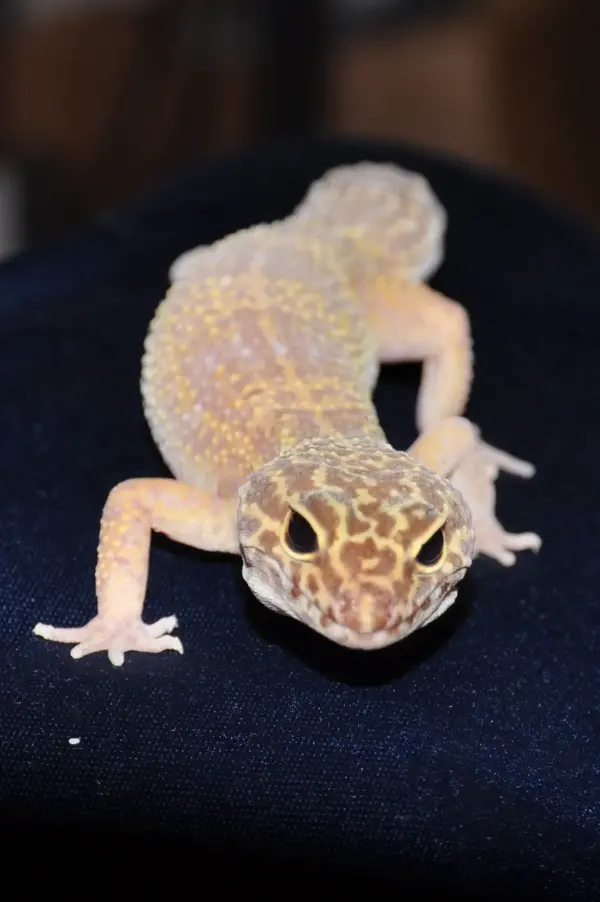
Tremper Albino Leopard Gecko
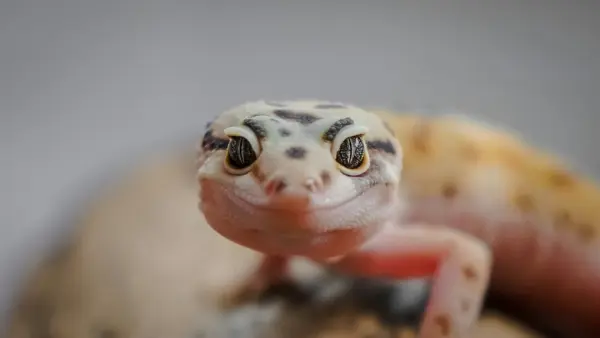
A captive-bred Tremper albino leopard gecko in warm yellow, peach and lavender tones with light eyes. Calm, feeding well and beginner friendly.
$79.00beginner
Live Arrival Guarantee on every animal · Supplies ship worldwide
Representative photo — the pictured animal is the same species and morph, not the exact animal for sale.
Eublepharis macularius
$59.00
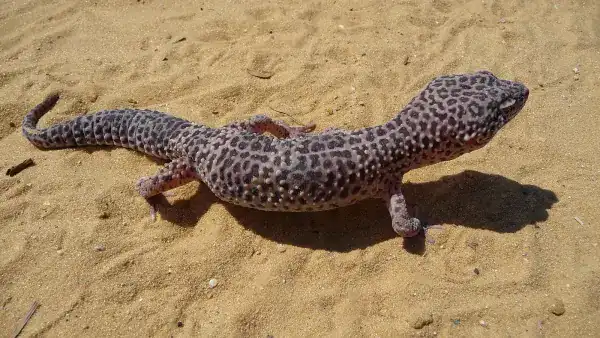
A captive-bred high yellow leopard gecko with a bright golden body and bold black spots, eating dubia roaches and ready for its first home.
In stock — ready to ship
Live animal notice
Ships overnight Monday–Wednesday within the US, only when weather along the route is safe. Shipping depends on your local laws; at checkout you'll confirm that you are 18+ and agree to our Live Animal Policy.
SKU: LR-LG-HYEL
The high yellow leopard gecko is the morph most people picture when they think of a pet gecko: a bright golden-yellow body, crisp black spotting and a banded tail that fades to soft spots with age. It is one of the oldest selectively bred leopard gecko morphs and still one of the most popular, because it combines striking color with the hardy, easy-going nature that makes leopard geckos such good first reptiles.
Every gecko we sell is captive bred, has eaten at least six meals with us and is weighed before shipping. Juveniles are typically 3–5 months old.
Give your gecko a warm side with a basking surface of 88–92°F (31–33°C), a cool side around 72–78°F (22–26°C) and three hides: warm, cool and humid. A low-level UVB tube and a halogen basking bulb on a dimming thermostat recreate the gentle sunlight and warm rocks of its native grasslands. Our Leopard Gecko Complete Starter Kit bundles everything, and our leopard gecko care guide walks through each step.
High yellows are insectivores. Offer gut-loaded dubia roaches, crickets or black soldier fly larvae daily for juveniles and every two to three days for adults, lightly dusted with calcium with D3. Hornworms and mealworms make good occasional treats.
High yellow is a line-bred trait rather than a single gene, so color intensity varies between animals and often deepens as the gecko matures. Hatchlings are banded; adult spotting develops over the first year.
Adults usually reach 7–10 in (18–25 cm) from nose to tail tip and weigh 45–80 g. Size depends on genetics, diet and sex, with males usually a little larger.
Yes. High yellows have the same calm temperament and simple care as normal leopard geckos, so they are an excellent first reptile for responsible teens and adults.
They can survive without it if they get dietary vitamin D3, but most keepers and vets now recommend low-level UVB (5–6%) with plenty of shade, because it supports natural behavior and bone health.
Live insects only: dubia roaches, crickets and black soldier fly larvae as staples, with hornworms and mealworms as treats. Dust insects with calcium and give a multivitamin weekly.
| Scientific name | Eublepharis macularius |
|---|---|
| Care level | beginner |
| Adult size | 7–10 in (18–25 cm) |
| Lifespan | 15–20 years |
| Diet | Gut-loaded live insects dusted with calcium; juveniles daily, adults every 2–3 days |
| Temperature | Basking surface 88–92°F (31–33°C), cool side 72–78°F (22–26°C) |
| Humidity | 30–40% with a humid hide |
No reviews yet. Reviews come from verified buyers only.
A captive-bred Tremper albino leopard gecko in warm yellow, peach and lavender tones with light eyes. Calm, feeding well and beginner friendly.
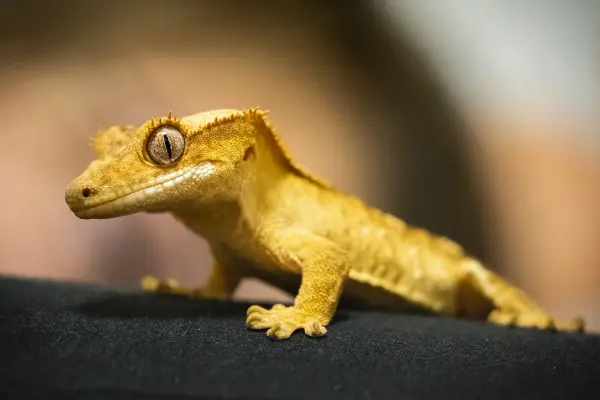
A captive-bred Lilly White crested gecko with bright white patterning and strong crests. Eating complete diet and ready to ship.
Friendly captive-bred leopard gecko with yellow skin and black leopard spots — the classic starter lizard.
A rainwater albino leopard gecko with soft lavender and yellow tones — a gentle, hardy morph with a famously calm temperament.