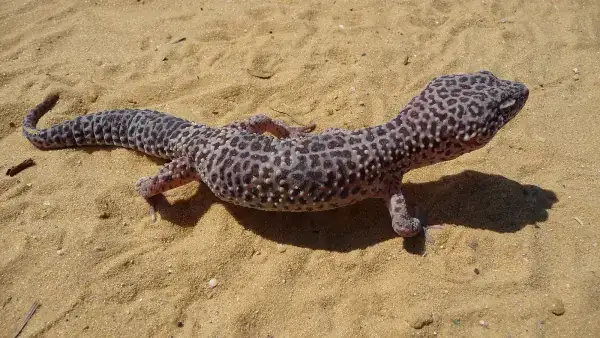
High Yellow Leopard Gecko
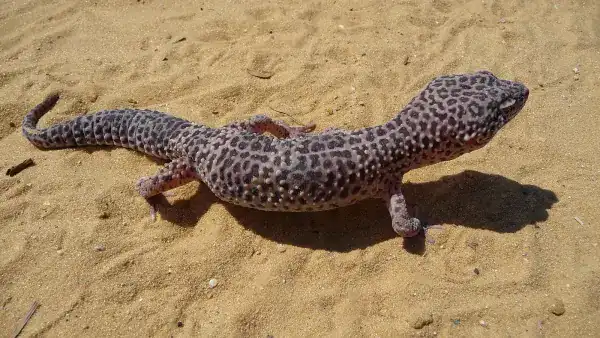
A captive-bred high yellow leopard gecko with a bright golden body and bold black spots, eating dubia roaches and ready for its first home.
$59.00beginner
Live Arrival Guarantee on every animal · Supplies ship worldwide
Representative photo — the pictured animal is the same species and morph, not the exact animal for sale.
Eublepharis macularius
$79.00
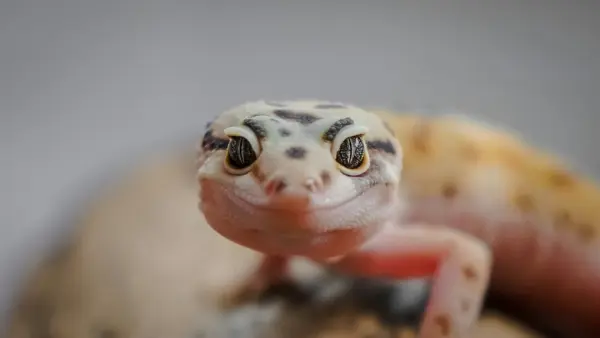
A captive-bred Tremper albino leopard gecko in warm yellow, peach and lavender tones with light eyes. Calm, feeding well and beginner friendly.
In stock — ready to ship
Live animal notice
Ships overnight Monday–Wednesday within the US, only when weather along the route is safe. Shipping depends on your local laws; at checkout you'll confirm that you are 18+ and agree to our Live Animal Policy.
SKU: LR-LG-TALB
The Tremper albino leopard gecko is the most widely kept albino leopard gecko strain, prized for its soft yellow, peach and lavender coloring with light caramel to brown markings instead of black. It is a simple recessive gene, first established in the 1990s, and it appears in many of the most popular combination morphs today. A Tremper albino on its own is an affordable, eye-catching gecko with the same easy care as any leopard gecko.
Because albino leopard geckos are more light sensitive, give them extra shade. Use a modest basking bulb, place hides on both sides and make sure any UVB covers only part of the enclosure so the gecko can choose its exposure. Many keepers use a 5% tube rather than anything stronger for albinos.
Provide a 36×18×18 in enclosure with a warm basking surface of 88–92°F (31–33°C), a cool side of 72–78°F (22–26°C) and warm, cool and humid hides. Our leopard gecko care guide covers temperatures, substrate and handling step by step, and the Leopard Gecko Complete Starter Kit puts the whole setup in one box.
Feed gut-loaded live insects such as dubia roaches and crickets, dusted with calcium. Juveniles eat daily, adults every two to three days. Our albinos are established on insects before they ship.
Their eyes are more sensitive to bright light, but they see well enough to hunt and live normal lives. Providing shade and avoiding very bright lighting keeps them comfortable.
They are three separate recessive albino genes discovered by different breeders. They look slightly different and are not compatible, so breeding a Tremper to a Bell albino produces normal-looking offspring.
The same as other leopard geckos: commonly 15–20 years with good care, correct temperatures and a varied, supplemented insect diet.
| Scientific name | Eublepharis macularius |
|---|---|
| Care level | beginner |
| Adult size | 7–10 in (18–25 cm) |
| Lifespan | 15–20 years |
| Diet | Gut-loaded live insects dusted with calcium; juveniles daily, adults every 2–3 days |
| Temperature | Basking surface 88–92°F (31–33°C), cool side 72–78°F (22–26°C) |
| Humidity | 30–40% with a humid hide |
No reviews yet. Reviews come from verified buyers only.
A captive-bred high yellow leopard gecko with a bright golden body and bold black spots, eating dubia roaches and ready for its first home.
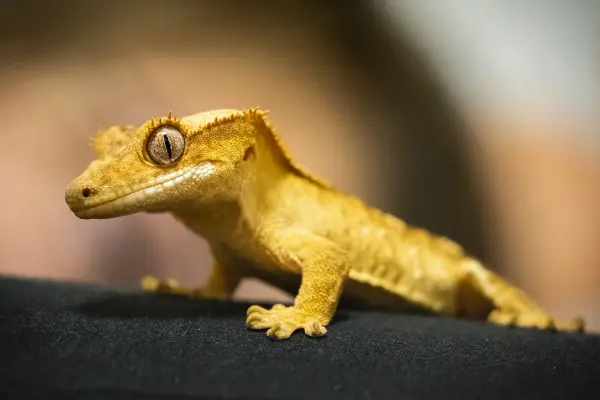
A captive-bred Lilly White crested gecko with bright white patterning and strong crests. Eating complete diet and ready to ship.
Friendly captive-bred leopard gecko with yellow skin and black leopard spots — the classic starter lizard.
A rainwater albino leopard gecko with soft lavender and yellow tones — a gentle, hardy morph with a famously calm temperament.