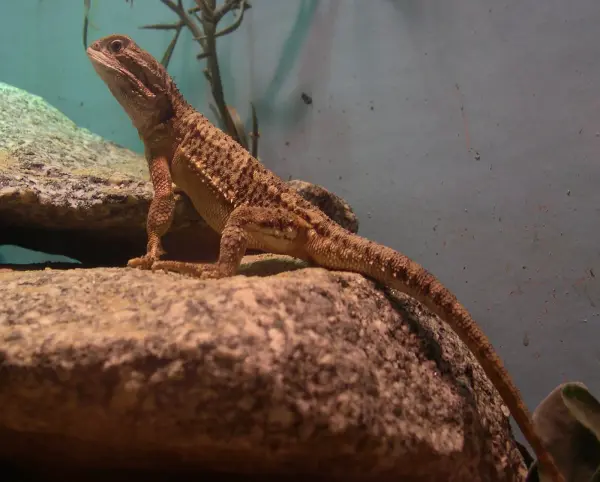
Rankin's Dragon (Dwarf Bearded Dragon)
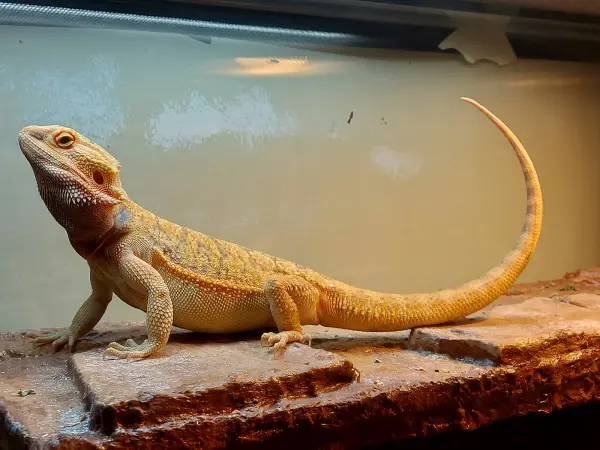
A captive-bred Rankin's dragon, the dwarf bearded dragon: all the personality of a bearded dragon in a smaller, easier-to-house size.
$149.00beginner
Live Arrival Guarantee on every animal · Supplies ship worldwide
Representative photo — the pictured animal is the same species and morph, not the exact animal for sale.
Pogona vitticeps
$179.00
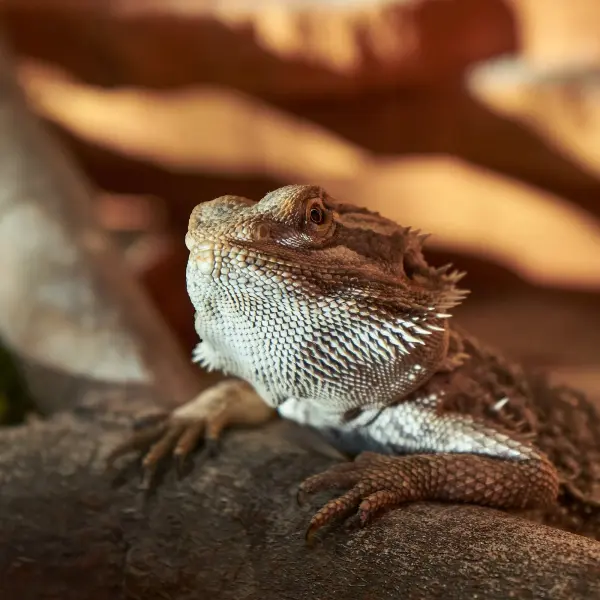
A captive-bred leatherback bearded dragon with reduced, smooth back scales and vivid color. Hand-raised, eating greens and insects.
In stock — ready to ship
Live animal notice
Ships overnight Monday–Wednesday within the US, only when weather along the route is safe. Shipping depends on your local laws; at checkout you'll confirm that you are 18+ and agree to our Live Animal Policy.
SKU: LR-BD-LTHR
The leatherback bearded dragon is one of the most popular bearded dragon morphs, known for its noticeably smoother back. The leatherback gene reduces the size of the spiky scales along the dragon's back, giving it a sleek, leathery feel while keeping the classic bearded dragon spikes on the sides and beard. Smoother scales also make colors look brighter, so leatherbacks often show more vivid orange, red or yellow than standard-scaled dragons.
Leatherback is an incomplete dominant trait. One copy produces the leatherback look; two copies produce a "silkback", which has no scales at all and needs much more specialized care. We sell leatherbacks only, which keep enough skin protection for normal husbandry.
Adults need at least a 4×2×2 ft (120×60×60 cm) enclosure. Provide a T5 HO 12% desert UVB tube over the basking area, a basking surface of 100–110°F (38–43°C) and a cool side of 75–85°F (24–29°C). Our Bearded Dragon Complete Starter Kit matches enclosure, lighting and thermostat, and our bearded dragon care sheet explains placement and distances.
Leatherbacks can be slightly more prone to dry skin and minor scrapes, so avoid very abrasive decor and offer an occasional lukewarm soak during sheds.
Juveniles eat mostly insects (about 70%) with fresh greens daily; adults shift to around 70–80% leafy greens and vegetables with insects two to three times a week. Dust insects with calcium and use a multivitamin weekly.
A leatherback has one copy of the gene and reduced, smoother scales. A silkback has two copies and almost no scales, which makes it much more sensitive to UVB, dehydration and injury.
Not really. They need the same enclosure, UVB, heat and diet as other bearded dragons. Just avoid sharp decor and keep them well hydrated, especially during sheds.
Like other central bearded dragons, adults reach 16–24 in (40–60 cm) including the tail and weigh 380–550 g.
Yes, for keepers who can provide a large enclosure, strong UVB and fresh greens daily. Their temperament is the same calm, handleable nature bearded dragons are known for.
| Scientific name | Pogona vitticeps |
|---|---|
| Care level | beginner |
| Adult size | 16–24 in (40–60 cm) |
| Lifespan | 10–15 years |
| Diet | Insects and leafy greens; juveniles mostly insects, adults 70–80% vegetables |
| Temperature | Basking surface 100–110°F (38–43°C), cool side 75–85°F (24–29°C) |
| Humidity | 30–40% |
No reviews yet. Reviews come from verified buyers only.
A captive-bred Rankin's dragon, the dwarf bearded dragon: all the personality of a bearded dragon in a smaller, easier-to-house size.
A bright, captive-bred citrus bearded dragon with sunny yellow-gold coloration and the same calm, personable temperament the species is famous for.
Personable juvenile bearded dragon that loves to bask, explore and ride on your shoulder.
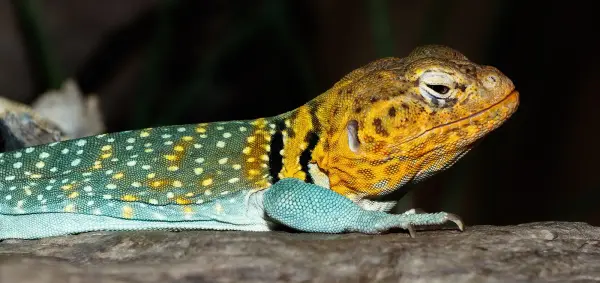
A captive-bred eastern collared lizard with vivid blue-green and yellow coloring and bold black collar bands. Fast, bold and very active.