Bearded Dragon Care Sheet: Housing, UVB, Heat and Diet
A complete bearded dragon care sheet covering enclosure size, UVB and basking temperatures, diet by age, supplements and the mistakes that cause bone disease.
- By ScaleHaven Care Team
- Published
- Updated
- 5 min read
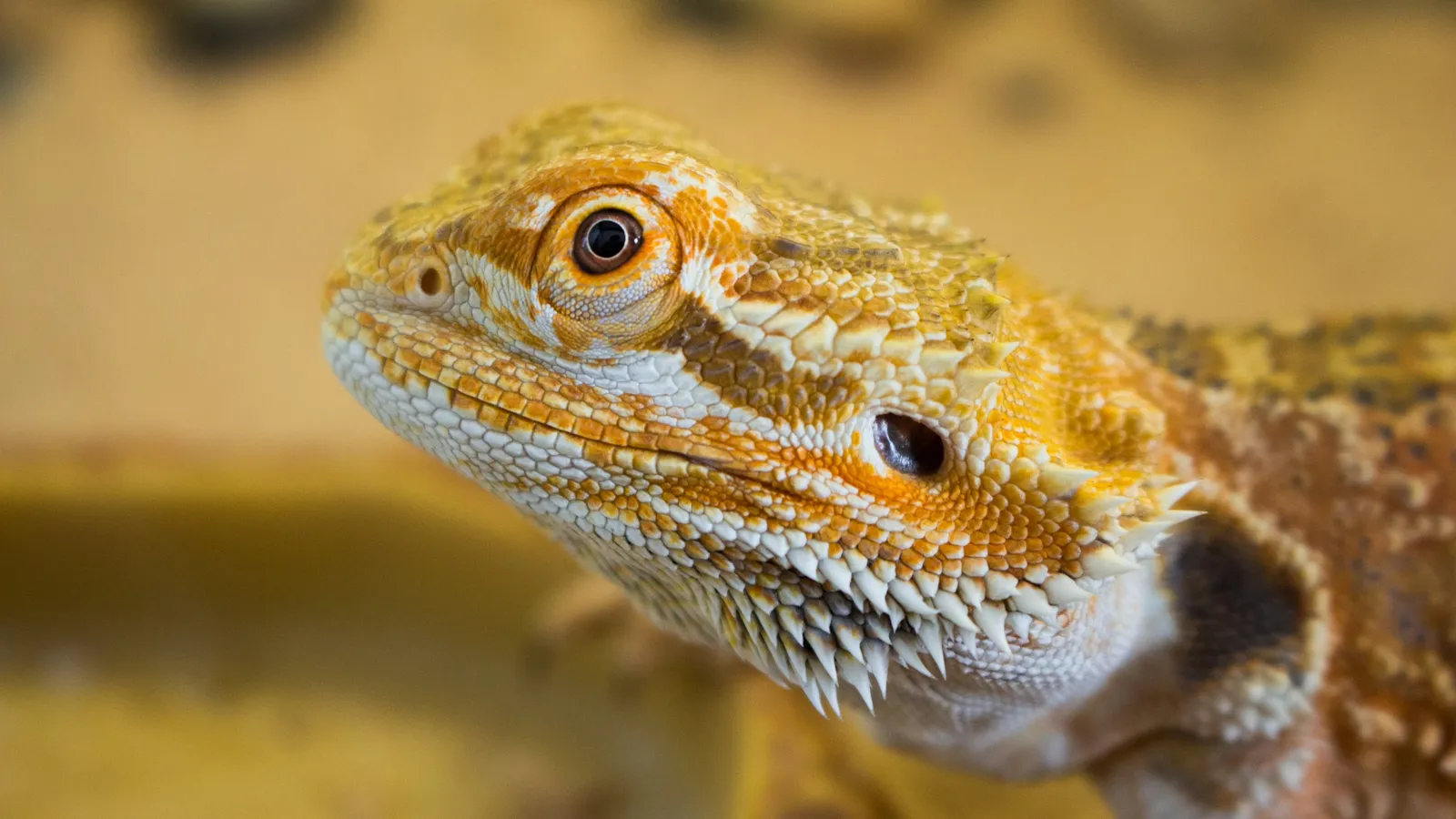
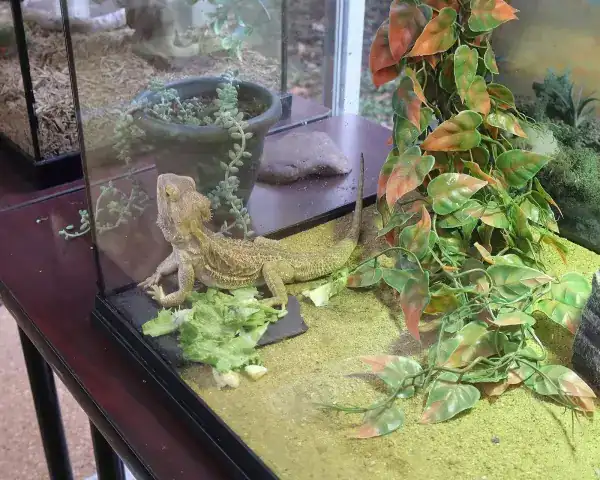
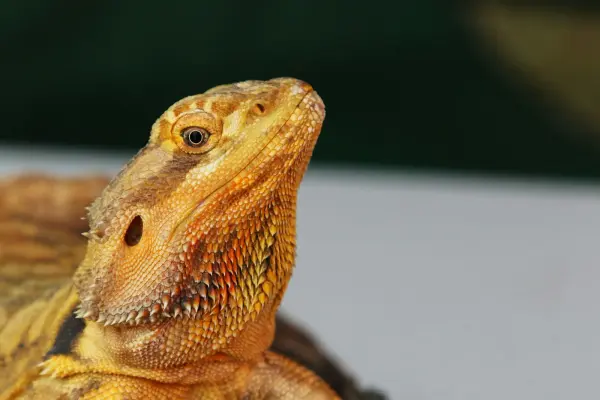
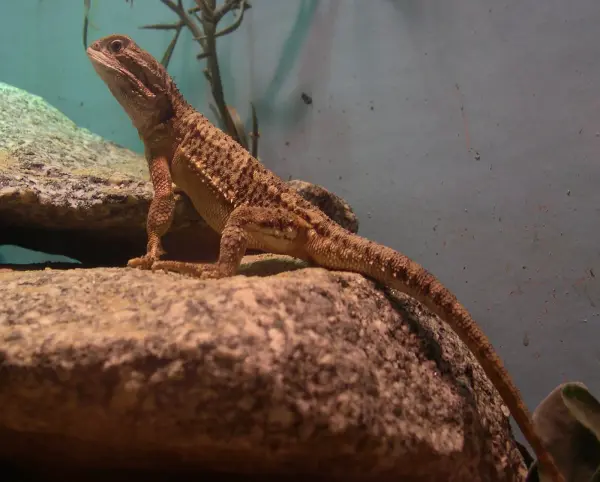
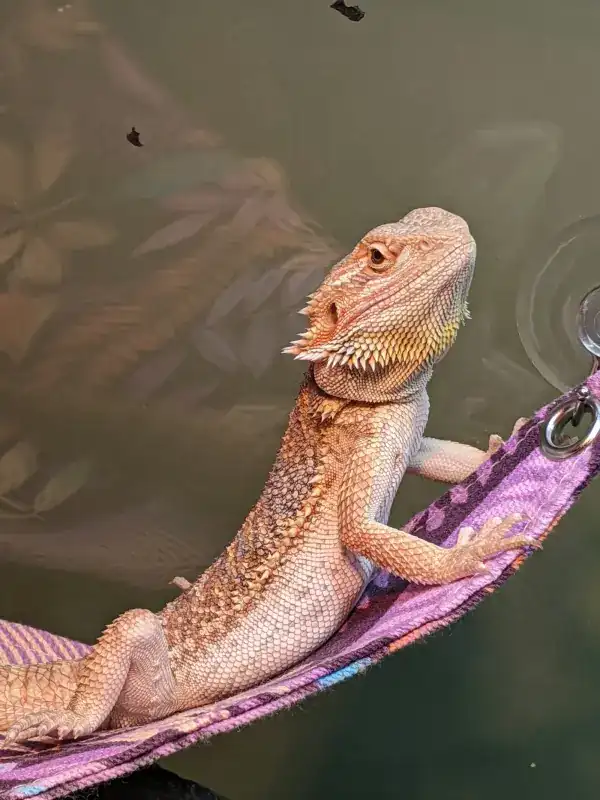
Central bearded dragons (Pogona vitticeps) are curious, sociable lizards from the arid woodlands and scrublands of central Australia. They grow to 16–24 in (40–60 cm) including the tail, live 10–15 years and are famous for their calm temperament. They're also more demanding than their reputation suggests. A dragon needs a large enclosure, strong UVB and a very hot basking spot. Get those right, and most health problems never happen.
Enclosure
- Adults: a 4×2×2 ft (120×60×60 cm) enclosure is the minimum. A 6×2×2 ft gives a much better heat gradient and room to roam.
- Juveniles: can go straight into the adult enclosure as long as there's plenty of cover and food is easy to find.
- One dragon per enclosure. Bearded dragons are solitary. Housing two together usually leads to stress, food competition and injuries, even when they seem to tolerate each other.
Our Bearded Dragon Complete Starter Kit pairs a correctly sized enclosure with matched UVB, heat and a thermostat.
Substrate and furnishings
A natural mix of topsoil, sand and a little clay allows digging and holds a solid surface for basking. Avoid calcium sand and walnut shell. Paper towel or tile works well for quarantine.
Add a sturdy basking platform directly under the lights, so the dragon can lie flat and close to the heat, plus branches for climbing, a hide on the cool side and plenty of open floor space.
Why UVB matters
UVB lets a dragon's skin make vitamin D3, which it needs to absorb calcium from food. Without enough UVB, dragons develop metabolic bone disease (MBD): soft or swollen bones, tremors, a rubbery jaw and deformities. Calcium powder alone can't fully make up for poor UVB.
Choosing and placing a UVB light
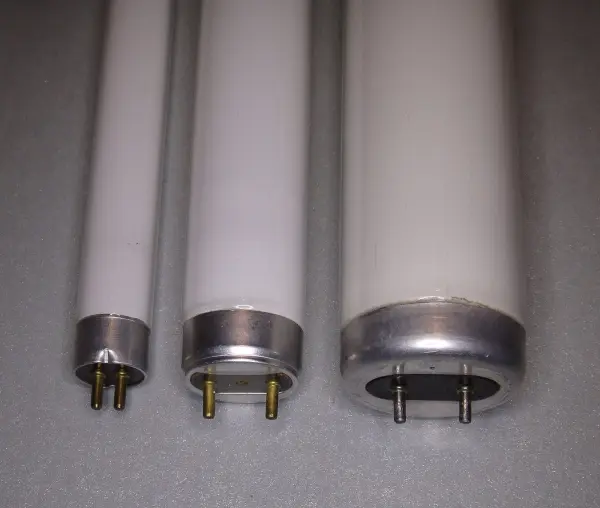
- Use a T5 HO 12% (desert) UVB tube in a reflector fixture. Compact coil bulbs and low-output T8 tubes don't provide enough UV for a dragon.
- The tube should cover one-half to two-thirds of the enclosure length, for example a 34 in tube in a 4 ft enclosure, positioned over the basking area.
- Mount the tube inside the enclosure if possible. A mesh screen can block 30–50% of the UVB.
- The dragon's back should be roughly 12–15 in (30–38 cm) from the tube while basking, or closer if the light sits above mesh. A UV index meter is the only way to know for sure.
- Replace the tube every 12 months. UV output fades long before the visible light does.
Read UVB lighting explained for the science behind these numbers.
Heat and the basking spot
| Zone | Target |
|---|---|
| Basking surface (adults) | 100–110°F (38–43°C) |
| Basking surface (juveniles) | 105–110°F (40–43°C) |
| Warm-side air | 85–90°F (29–32°C) |
| Cool side | 75–85°F (24–29°C) |
| Night | 65–75°F (18–24°C), no lights |
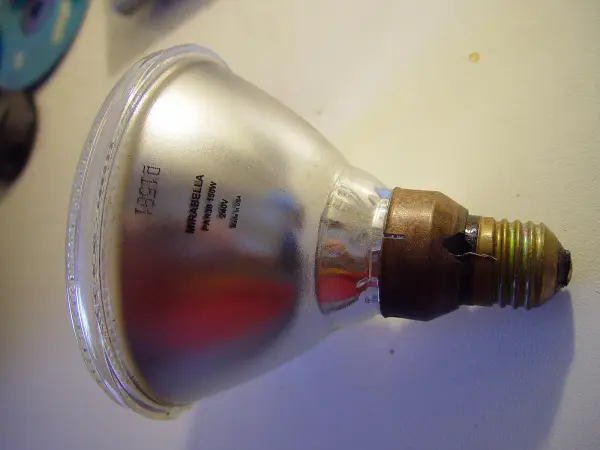
- Use halogen flood bulbs for heat. Two smaller bulbs side by side, or one 100 W halogen basking bulb in a large enclosure, warm the whole body rather than one small spot.
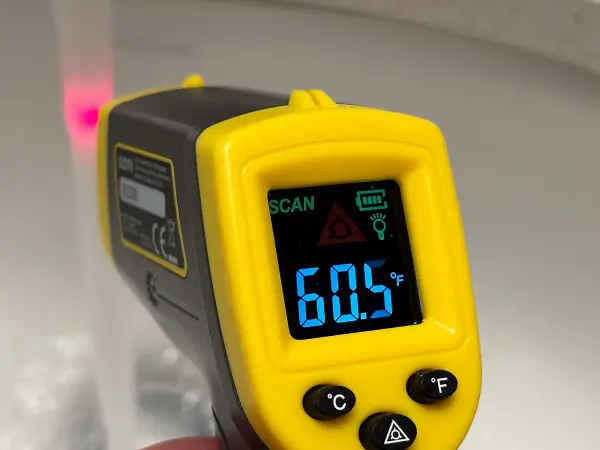
- Measure the basking surface with an infrared temperature gun. Air thermometers miss how hot the surface actually is.
- Control the bulbs with a dimming thermostat, so the light stays steady instead of flickering on and off.
Daily schedule
Run UVB and basking lights together for 12–14 hours a day on a timer, and turn everything off at night. Bearded dragons need darkness to sleep, so skip colored "night bulbs". If your home drops below about 65°F at night, add a ceramic heat emitter on a thermostat.
Diet
Bearded dragons are omnivores, and their needs shift with age.
| Age | Insects | Vegetables | Feeding schedule |
|---|---|---|---|
| Juvenile (0–6 months) | About 70% | About 30% | Insects 2–3 times a day, fresh greens daily |
| Sub-adult (6–18 months) | About 50% | About 50% | Insects once a day, greens daily |
| Adult (over 18 months) | 20–30% | 70–80% | Insects 2–3 times a week, greens daily |
- Staple greens: collard greens, mustard greens, turnip greens, dandelion greens and endive, plus squash and bell pepper.
- Occasional: fruit as a small treat. Avoid spinach as a staple, iceberg lettuce and avocado.
- Insects: dubia roaches, black soldier fly larvae, crickets and silkworms, gut-loaded and no larger than the space between the dragon's eyes.
Overfeeding insects to adults is a leading cause of obesity and fatty liver disease. Our article on what reptiles eat explains gut-loading and feeder choice.
Supplements
Dust insects with calcium with D3 at most insect feedings for juveniles and 2–3 times a week for adults, plus a multivitamin about once a week. With strong UVB, many keepers alternate calcium with and without D3. See our supplements guide.
Hydration and bathing
Offer a shallow water dish and lightly mist greens to add moisture. Many dragons don't drink from a bowl readily, so an occasional shallow lukewarm bath can help, especially during a shed. Keep humidity fairly low, around 30–40%.
Brumation
Adult dragons sometimes slow down in autumn or winter and sleep for weeks. This is called brumation. Have a vet confirm your dragon is healthy before you assume it's brumating, because illness can look similar.
Common mistakes
- A UVB tube sitting on top of a fine screen that blocks most of the UV.
- A basking spot that's warm in the air but cool on the surface.
- UVB tubes older than a year.
- Too many insects and too few greens for adults.
- Loose substrate fed on directly, which increases the risk of swallowing it.
Frequently asked questions
How big of a tank does a bearded dragon need?
An adult bearded dragon needs at least a 4×2×2 ft (120×60×60 cm) enclosure, and bigger is better. A larger enclosure gives a wider temperature gradient and more space to exercise.
How hot should a bearded dragon's basking spot be?
Aim for a basking surface of 100–110°F (38–43°C) for adults and up to 110°F for juveniles, measured with an infrared thermometer. The cool side should stay around 75–85°F so the dragon can regulate its temperature.
How often should I change my bearded dragon's UVB bulb?
Replace a T5 UVB tube every 12 months, even if it still looks bright. UV output drops over time and isn't visible to the human eye.
Can bearded dragons eat fruit?
Yes, in small amounts as an occasional treat. Fruit is high in sugar, so the bulk of an adult's diet should be leafy greens and vegetables, with insects a few times a week.
About the author: ScaleHaven Care Team
Reptile keepers and breeders at ScaleHaven Reptiles
Our care team raises and looks after every animal we sell, from hatchling to shipping day. We write these guides from the husbandry we use in our own facility, and we review them as best practice evolves. For health concerns, always consult a qualified reptile veterinarian.