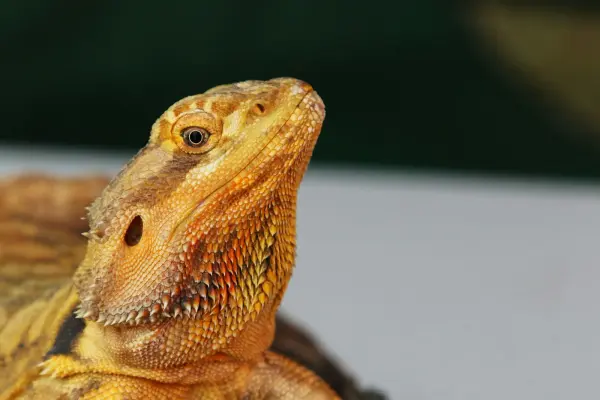
Leatherback Bearded Dragon
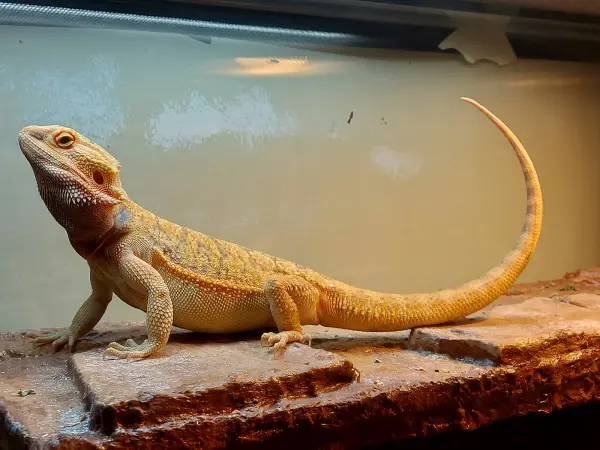
A captive-bred leatherback bearded dragon with reduced, smooth back scales and vivid color. Hand-raised, eating greens and insects.
$179.00beginner
Live Arrival Guarantee on every animal · Supplies ship worldwide
Pogona henrylawsoni
$149.00
A captive-bred Rankin's dragon, the dwarf bearded dragon: all the personality of a bearded dragon in a smaller, easier-to-house size.
In stock — ready to ship
Live animal notice
Ships overnight Monday–Wednesday within the US, only when weather along the route is safe. Shipping depends on your local laws; at checkout you'll confirm that you are 18+ and agree to our Live Animal Policy.
SKU: LR-PG-RANK
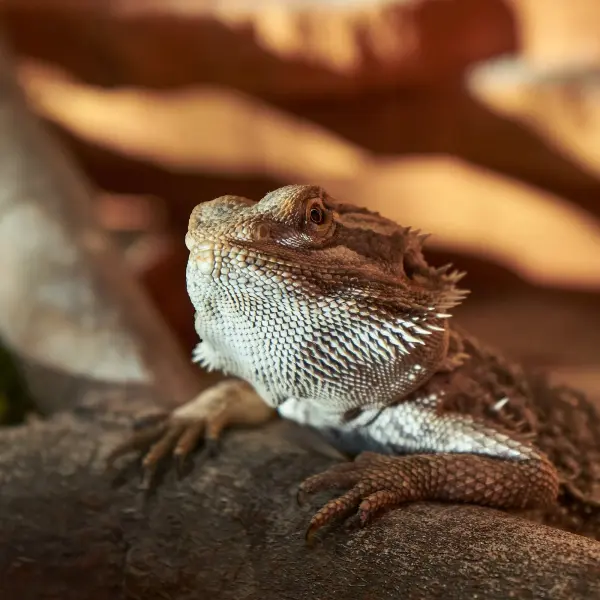
The Rankin's dragon (Pogona henrylawsoni), often called the dwarf bearded dragon or Lawson's dragon, is a smaller cousin of the central bearded dragon from the black-soil plains of Queensland, Australia. It reaches only 10–12 in (25–30 cm) including the tail, has a shorter, rounder head and a less spiky beard, and shares the same calm, curious temperament. For keepers who love bearded dragons but have less space, a Rankin's dragon is a superb choice.
| Rankin's dragon | Central bearded dragon | |
|---|---|---|
| Adult size | 10–12 in (25–30 cm) | 16–24 in (40–60 cm) |
| Minimum enclosure | 36×18×18 in | 4×2×2 ft |
| Temperament | Calm, social with people | Calm, social with people |
| Lifespan | 8–12 years | 10–15 years |
A single adult Rankin's dragon does well in a 36×18×18 in enclosure, though bigger is always welcome. Some keepers house small groups of females in larger enclosures, but males should never be kept together. A natural sand, soil and clay mix allows digging, and flat rocks under the basking light give a solid basking surface.
The care is essentially a scaled-down version of bearded dragon care, so our bearded dragon care sheet is a useful companion guide. Use a dimming thermostat on the basking bulb and check surface temperatures with an infrared thermometer.
Rankin's dragons are omnivores. Juveniles eat mostly small insects such as crickets, dubia roaches and black soldier fly larvae, with finely chopped greens daily. Adults eat a more balanced mix, around half greens and half insects. Dust insects with calcium and use a multivitamin weekly.
No. It is a separate, smaller species (Pogona henrylawsoni) in the same genus as the central bearded dragon (Pogona vitticeps), with very similar care.
Adults reach about 10–12 in (25–30 cm) including the tail, roughly half the size of a central bearded dragon.
Males must be housed separately. Small groups of females can sometimes share a large enclosure, but watch closely for competition over food and basking spots.
| Scientific name | Pogona henrylawsoni |
|---|---|
| Care level | beginner |
| Adult size | 10–12 in (25–30 cm) |
| Lifespan | 8–12 years |
| Diet | Omnivore: small insects and finely chopped greens; adults about 50/50 |
| Temperature | Basking surface 100–105°F (38–41°C), cool side 75–80°F (24–27°C) |
| Humidity | 30–40% |
No reviews yet. Reviews come from verified buyers only.
A captive-bred leatherback bearded dragon with reduced, smooth back scales and vivid color. Hand-raised, eating greens and insects.
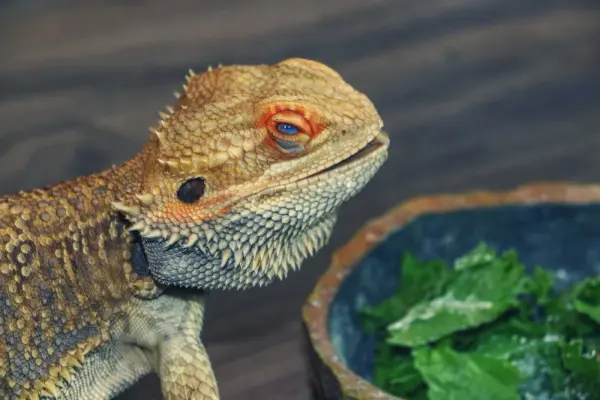
A bright, captive-bred citrus bearded dragon with sunny yellow-gold coloration and the same calm, personable temperament the species is famous for.
Personable juvenile bearded dragon that loves to bask, explore and ride on your shoulder.
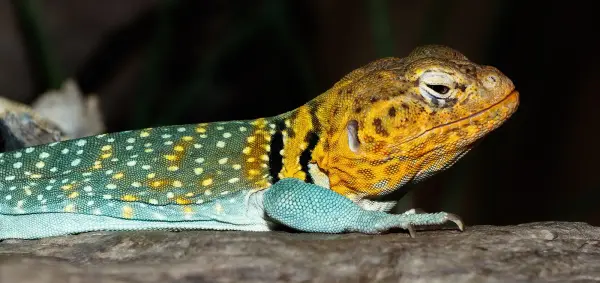
A captive-bred eastern collared lizard with vivid blue-green and yellow coloring and bold black collar bands. Fast, bold and very active.
Nutrient-balanced bearded dragon pellets made with greens, insects and calcium. A convenient supplement to fresh greens and live insects.