Kimberley Rock Monitor
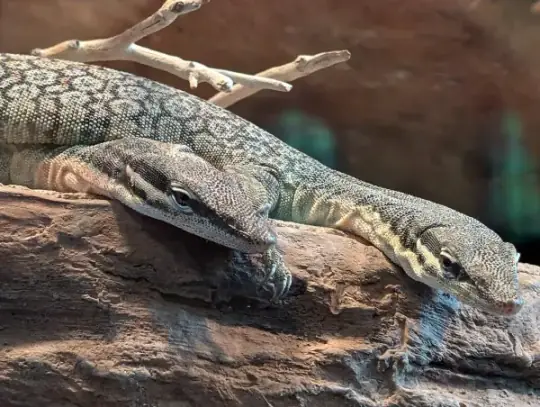
A captive-bred Kimberley rock monitor (Varanus glauerti): a slender, banded dwarf monitor that is active, intelligent and stunning to watch.
$699.00advanced
Live Arrival Guarantee on every animal · Supplies ship worldwide
Salvator rufescens
$449.00
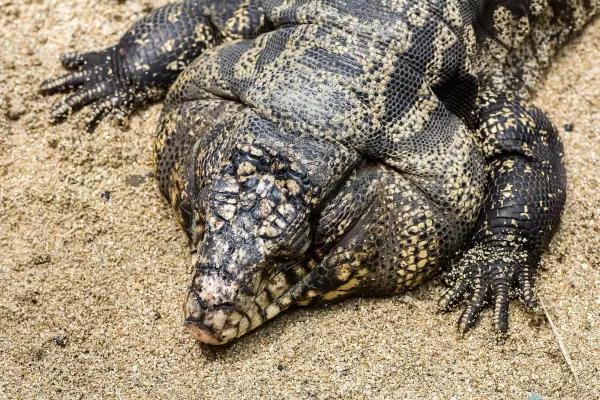
A captive-bred red tegu (Salvator rufescens): an intelligent, dog-like lizard that colors up to rich red as it matures. For experienced keepers.
Only 2 left
Live animal notice
Ships overnight Monday–Wednesday within the US, only when weather along the route is safe. Shipping depends on your local laws; at checkout you'll confirm that you are 18+ and agree to our Live Animal Policy.
SKU: LR-TG-RED
The red tegu (Salvator rufescens) is a large, intelligent lizard from the dry forests and scrubland of western Argentina, Bolivia and Paraguay. Young red tegus are brown with pale bands, and males in particular develop a rich brick-red color and massive jowls as they mature. Tegus are famous for their dog-like curiosity and for becoming remarkably tame with consistent handling, which is why they are one of the fastest-rising "big lizards" in the hobby.
Check your local laws before buying. Tegus are restricted or require permits in some US states and countries, including Florida. We only ship to regions where keeping them is legal.
Start hatchlings in a 4×2×2 ft enclosure and upgrade as they grow. Provide a basking surface of 120–130°F (49–54°C) for adults, a cool side around 75–80°F (24–27°C) and deep, moist substrate, at least 8–12 in, so they can dig a burrow. Humidity should stay around 60–80% in the substrate and burrow. Strong T5 HO UVB (around 12%) over the basking zone is essential.
Our reptile heating guide explains how to create and control a very hot basking spot safely.
Red tegus are omnivores. Feed whole prey such as rodents and chicks, plus eggs, lean meats, insects and around 10–20% fruit and vegetables. Hatchlings eat daily; adults three to four times a week. Dust non-whole-prey foods with calcium.
Adult tegus usually brumate (slow down and sleep) for several months in autumn and winter. This is normal; have a vet confirm your tegu is healthy before brumation begins.
Adults usually reach 3–4.5 ft (90–135 cm). Males are larger, heavier and develop broader heads than females.
With daily, patient handling, most red tegus become very tame and even seek out interaction. Individual personalities vary, and young tegus can be flighty at first.
It depends on where you live. Some states, including Florida, restrict or prohibit tegus. Always check your state and local regulations before buying.
Not usually. Their adult size and enclosure needs make them better suited to keepers who already have reptile experience.
| Scientific name | Salvator rufescens |
|---|---|
| Care level | advanced |
| Adult size | 3–4.5 ft (90–135 cm) |
| Lifespan | 15–20 years |
| Diet | Omnivore: whole prey, eggs, lean meat, insects and 10–20% fruit and vegetables |
| Temperature | Basking surface 120–130°F (49–54°C), cool side 75–80°F (24–27°C) |
| Humidity | 60–80% in substrate and burrow |
No reviews yet. Reviews come from verified buyers only.
A captive-bred Kimberley rock monitor (Varanus glauerti): a slender, banded dwarf monitor that is active, intelligent and stunning to watch.
A sleek golden South American tegu — smaller and quicker than its Argentine cousins, with a bold personality and a healthy appetite.
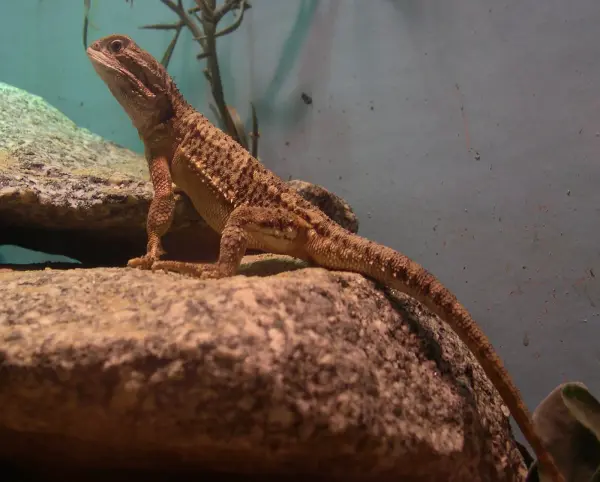
A captive-bred Rankin's dragon, the dwarf bearded dragon: all the personality of a bearded dragon in a smaller, easier-to-house size.
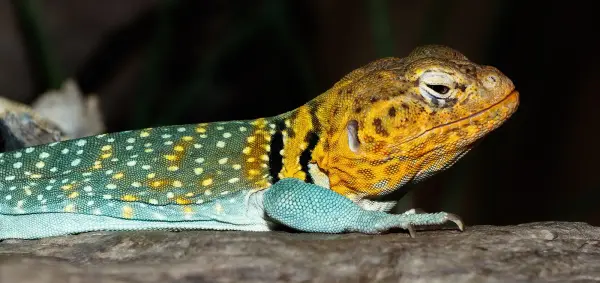
A captive-bred eastern collared lizard with vivid blue-green and yellow coloring and bold black collar bands. Fast, bold and very active.
Spacious 6×2×2 ft PVC enclosure for large snakes, blue tongues and active lizards.
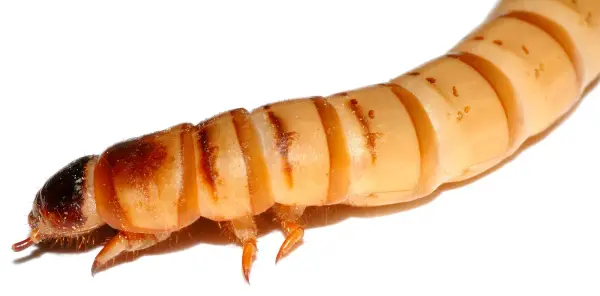
One hundred live superworms (Zophobas morio), about 2 in long. Lively, meaty feeders for adult lizards that love to hunt.