How to Choose a Captive-Bred Reptile: A Buyer's Checklist
Why captive-bred reptiles make better pets, the questions to ask any seller, how to spot a healthy animal, and what to check about shipping, guarantees and local laws.
- By ScaleHaven Care Team
- Published
- 4 min read
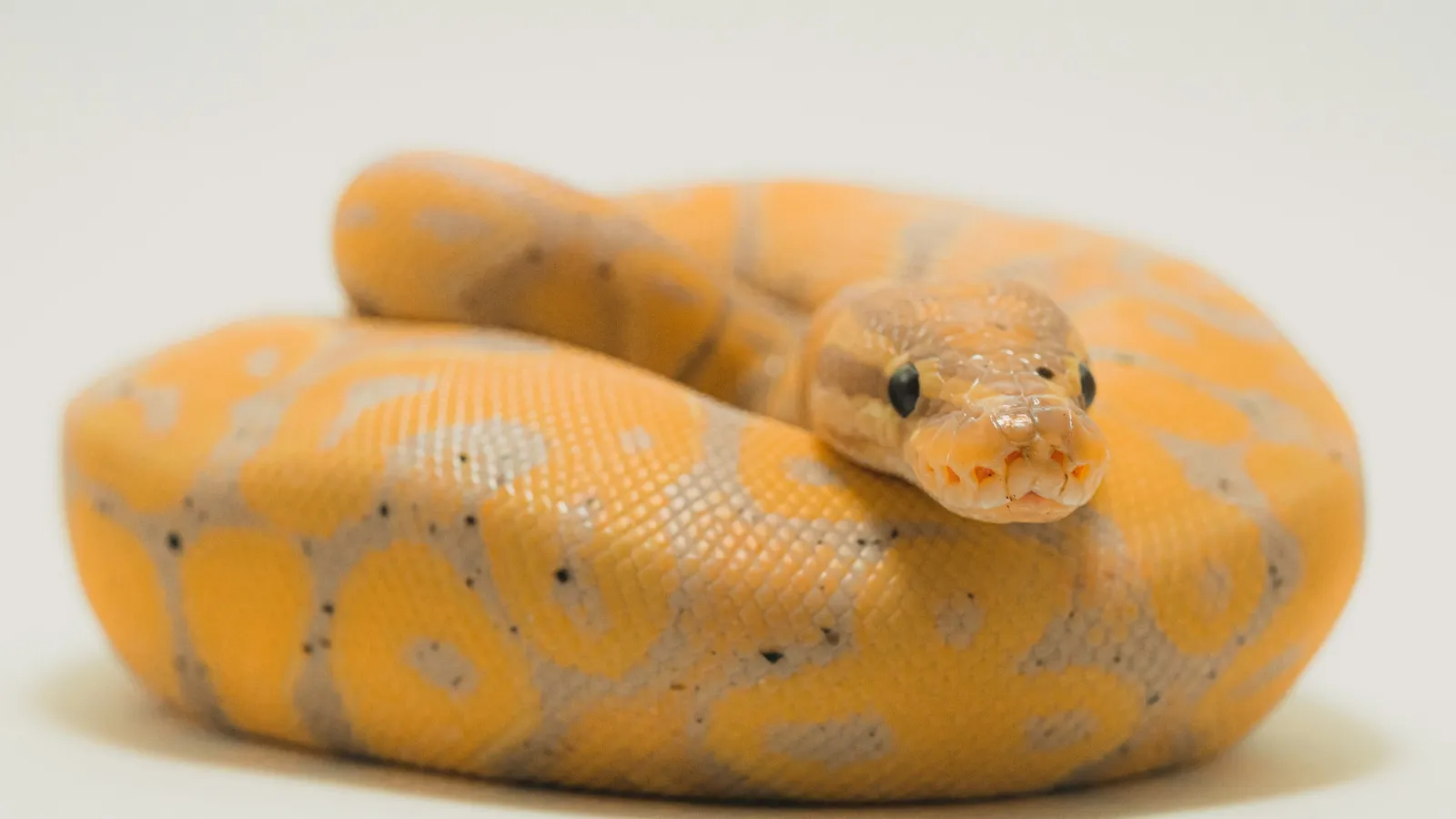
Where your reptile comes from shapes almost everything that follows: its health, how easily it settles in, whether it eats, and how long it's likely to live. A healthy, captive-bred animal from a reputable source is the best start you can give a new pet, and it saves a lot of worry and vet bills.
This checklist explains what "captive-bred" really means, what to ask before you buy, and how to recognize a healthy animal.
Captive-bred, captive-hatched and wild-caught
| Label | What it means | What to expect |
|---|---|---|
| Captive-bred (CB) | Bred from parents kept in captivity, and hatched or born in captivity | Usually healthiest, used to captivity, often already eating standard foods |
| Captive-hatched / farmed (CH or CF) | Eggs or gravid females collected from the wild, then hatched in captivity | Higher risk of parasites; may be less settled |
| Wild-caught (WC) | Collected from the wild as adults or juveniles | Higher risk of parasites, stress and feeding problems; collection can harm wild populations |
Why captive-bred is better
- Fewer parasites and diseases, because the animal has never been exposed to wild pathogens.
- Already eating captive foods such as frozen/thawed rodents, feeder insects or a powdered diet.
- Better adapted to people, enclosures and handling.
- Known history: hatch date, genetics, feeding and shedding records.
- Better for wild populations, because no animals are taken from nature.
Every animal we sell is captive-bred, from our own collection or trusted partner breeders.
Questions to ask any seller
A good breeder or shop will happily answer all of these. Vague answers are a warning sign.
- Is it captive-bred? Ask where and by whom.
- When was it hatched or born? Very young animals are more fragile. Many sellers wait until hatchlings have eaten several meals.
- What does it eat, and when did it last eat? Ask for the feeding record. For snakes, confirm it eats frozen/thawed prey and what size.
- How many times has it eaten for you? Several consecutive meals is a good sign.
- When did it last shed, and was the shed complete?
- What's its current weight? Weigh it again when it arrives, with your own gram scale.
- Has it had any health problems or treatments?
- For morphs, what are its genetics? Ask about known genetic issues linked to some morphs.
- What support do you offer after the sale?
Signs of a healthy animal
Whether you're looking in person or at photos and video, check for:
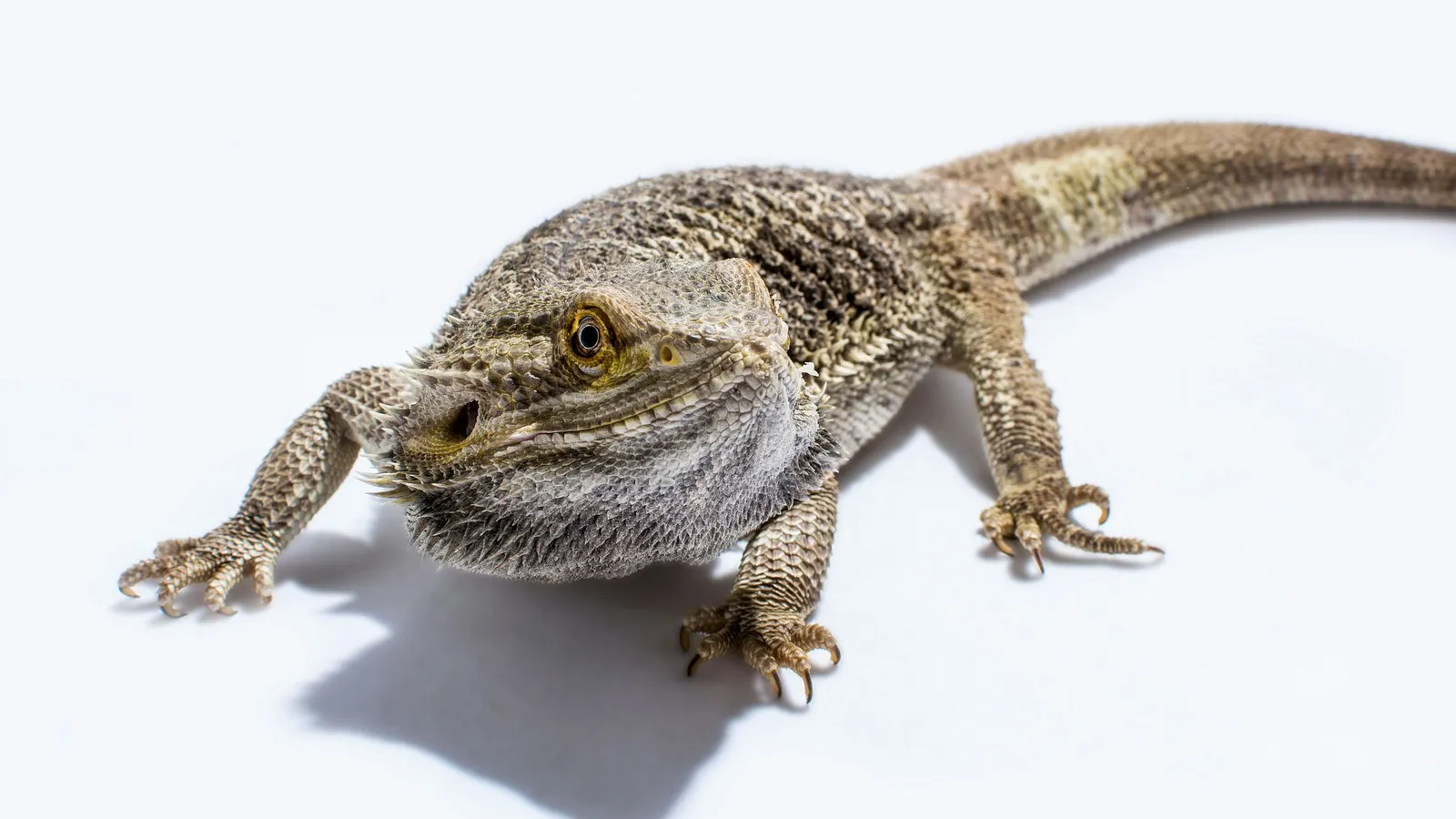
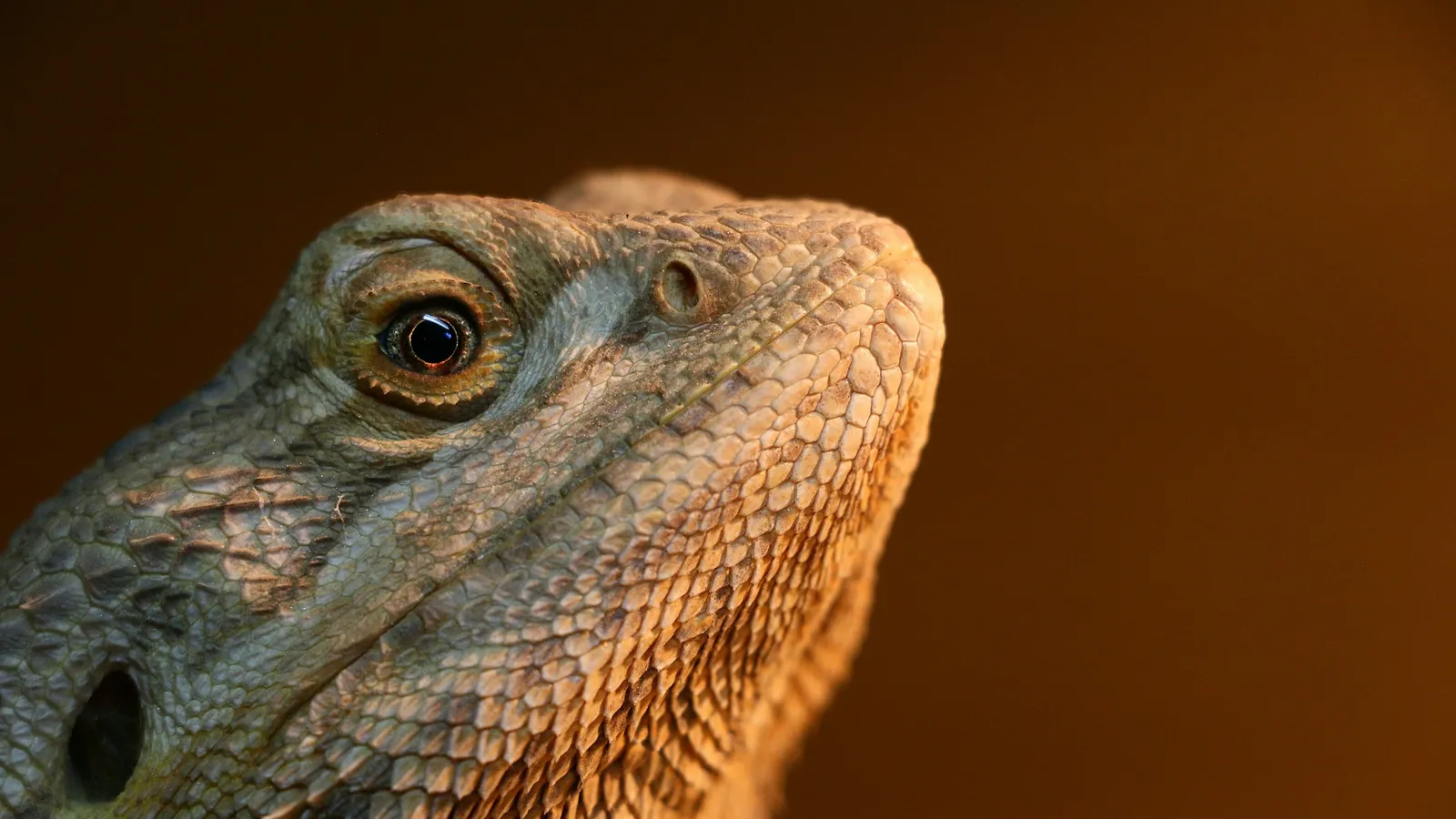
- Clear, bright eyes with no swelling or discharge.
- Clean nostrils and mouth, with no bubbles, mucus or open-mouth breathing.
- Good body condition: rounded, not bony. In geckos, a thick tail.
- Intact skin, with no stuck shed, wounds, blisters or mites.
- Alert behavior: a snake that flicks its tongue and grips your hand, or a lizard that holds its head up and tracks movement.
- Straight limbs, spine and jaw.
- Clean vent, with no smearing or swelling.
Our article on signs of a healthy reptile goes into more detail.
Morphs
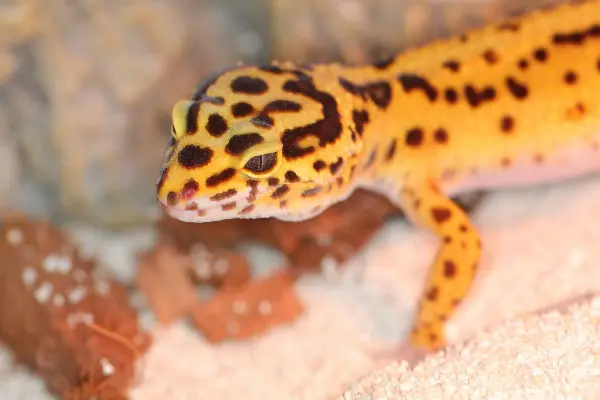
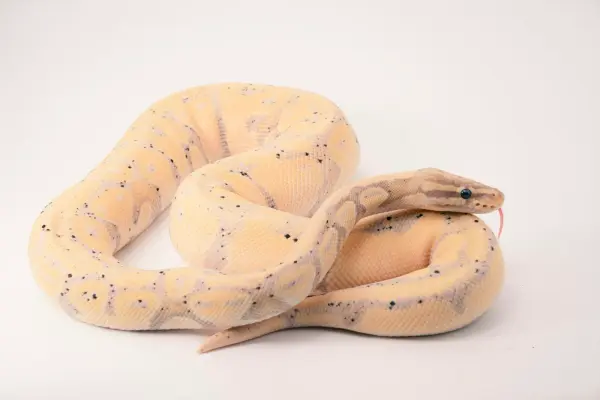
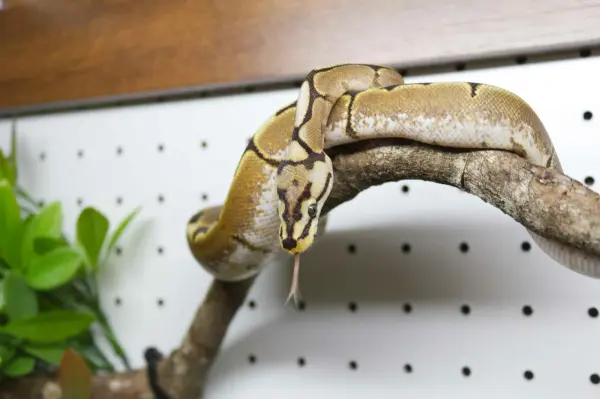
Morphs are color and pattern variations produced by selective breeding, from tangerine leopard geckos to banana ball pythons. Most are as healthy and easy to keep as the normal form, but a few morphs in some species are associated with genetic problems, such as neurological issues. Ask the seller, and research a morph before you commit.
Buying online and shipping
Reptiles are routinely and safely shipped by overnight courier when it's done properly. Look for a seller who:
- Ships overnight in insulated boxes with heat or cold packs as needed.
- Only ships in suitable weather, and early in the week, so animals don't sit in a depot over the weekend.
- Offers a live arrival guarantee with a clear process if something goes wrong.
- Requires someone 18 or older to receive the animal.
Plan to be home on delivery day, and have the enclosure set up and running at the right temperatures at least a few days beforehand.
Legal and ethical checks
- Check local laws. Some species, or reptiles in general, are restricted in certain states, cities, rental properties or countries.
- Check your lease if you rent.
- Avoid impulse purchases. Many reptiles live 15–30 years or more.
- Never release a pet reptile into the wild. It's often illegal and harms native wildlife.
Before you bring it home
Set up and test the enclosure first, budget for ongoing costs, and find a reptile vet. Our checklist for preparing your home walks you through it. If you're still choosing a species, read our roundup of the best reptiles for beginners. A starter kit, such as our Ball Python Complete Starter Kit, makes it easier to have everything matched and ready.
Frequently asked questions
What does captive-bred mean for reptiles?
Captive-bred means the animal was bred from parents kept in captivity and hatched or born in captivity. It's different from captive-hatched or farmed animals, whose eggs or mothers were collected from the wild.
Is it safe to buy a reptile online?
Yes, if you buy from a reputable seller who ships overnight in insulated packaging, only ships in suitable weather and offers a live arrival guarantee. Ask for feeding records and photos before you buy.
What age should I buy a reptile?
Many keepers prefer animals that have eaten several meals and are past the most fragile hatchling stage. Ask the seller for the hatch date and feeding history. A young, established feeder is usually a safe choice.
Should I quarantine a new reptile?
Yes, if you have other reptiles. Keep the new animal in a separate room, with separate equipment, for at least 60–90 days, and wash your hands between animals.
About the author: ScaleHaven Care Team
Reptile keepers and breeders at ScaleHaven Reptiles
Our care team raises and looks after every animal we sell, from hatchling to shipping day. We write these guides from the husbandry we use in our own facility, and we review them as best practice evolves. For health concerns, always consult a qualified reptile veterinarian.