Best Reptiles for Beginners: 8 Species That Are Easy to Keep
The best pet reptiles for first-time keepers, compared by size, temperament, lifespan and care needs, plus which popular species to wait on.
- By ScaleHaven Care Team
- Published
- 5 min read
Choosing your first reptile is exciting, but it's also a long-term decision. Many popular species live 15–30 years, and each has its own needs for space, heat, light and food. The best beginner reptile is one whose needs match your home, your budget and the time you can give it every week.
These eight species are hardy, generally calm, widely available as captive-bred animals and well understood by keepers and vets. That makes them excellent first reptiles.
Quick comparison
| Species | Adult size | Lifespan | Handling | Enclosure (adult) |
|---|---|---|---|---|
| Leopard gecko | 7–10 in | 15–20 yrs | Tolerates well | 36×18×18 in |
| Corn snake | 3–5 ft | 15–20 yrs | Very good | 4×2×2 ft |
| Ball python | 3–5 ft | 25–30+ yrs | Very good | 4×2×2 ft |
| Crested gecko | 7–9 in | 15–20 yrs | Gentle, can jump | 18×18×24 in (tall) |
| Kenyan sand boa | 1–2.5 ft | 15–20 yrs | Good | 24×18×12 in or larger |
| Rosy boa | 2–3 ft | 25–30 yrs | Very good | 36×18×12 in or larger |
| Bearded dragon | 16–24 in | 10–15 yrs | Excellent | 4×2×2 ft |
| Western hognose | 1.5–3 ft | 15–20 yrs | Good | 36×18×18 in |
1. Leopard gecko
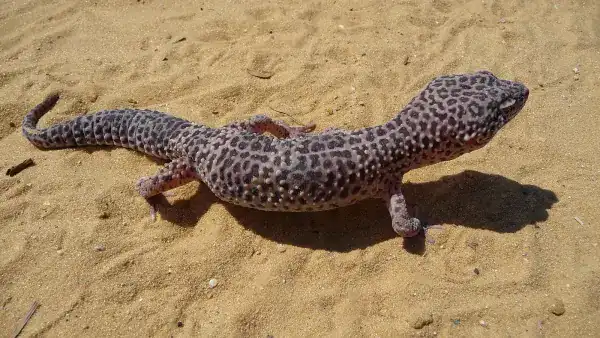
Leopard geckos are often the first reptile people recommend, and for good reason. They're small, rarely bite, don't need a huge enclosure and come in dozens of color morphs. They're most active in the evening, which suits most working households. They eat live insects, so you'll need a regular supply.
Why beginners love them: small enclosure, manageable costs, calm temperament. Watch out for: they need a proper heat gradient and calcium supplementation. Read our leopard gecko care guide.
2. Corn snake
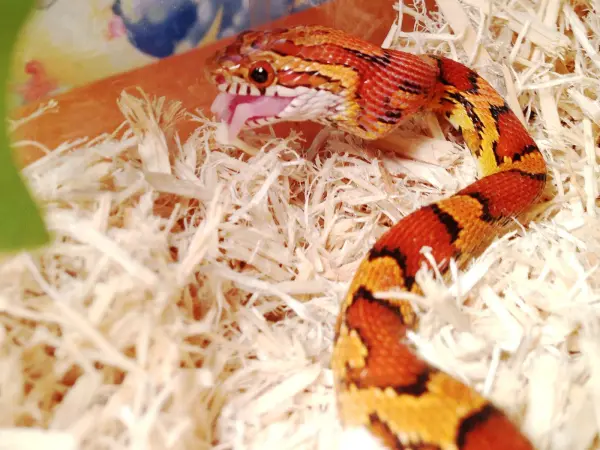
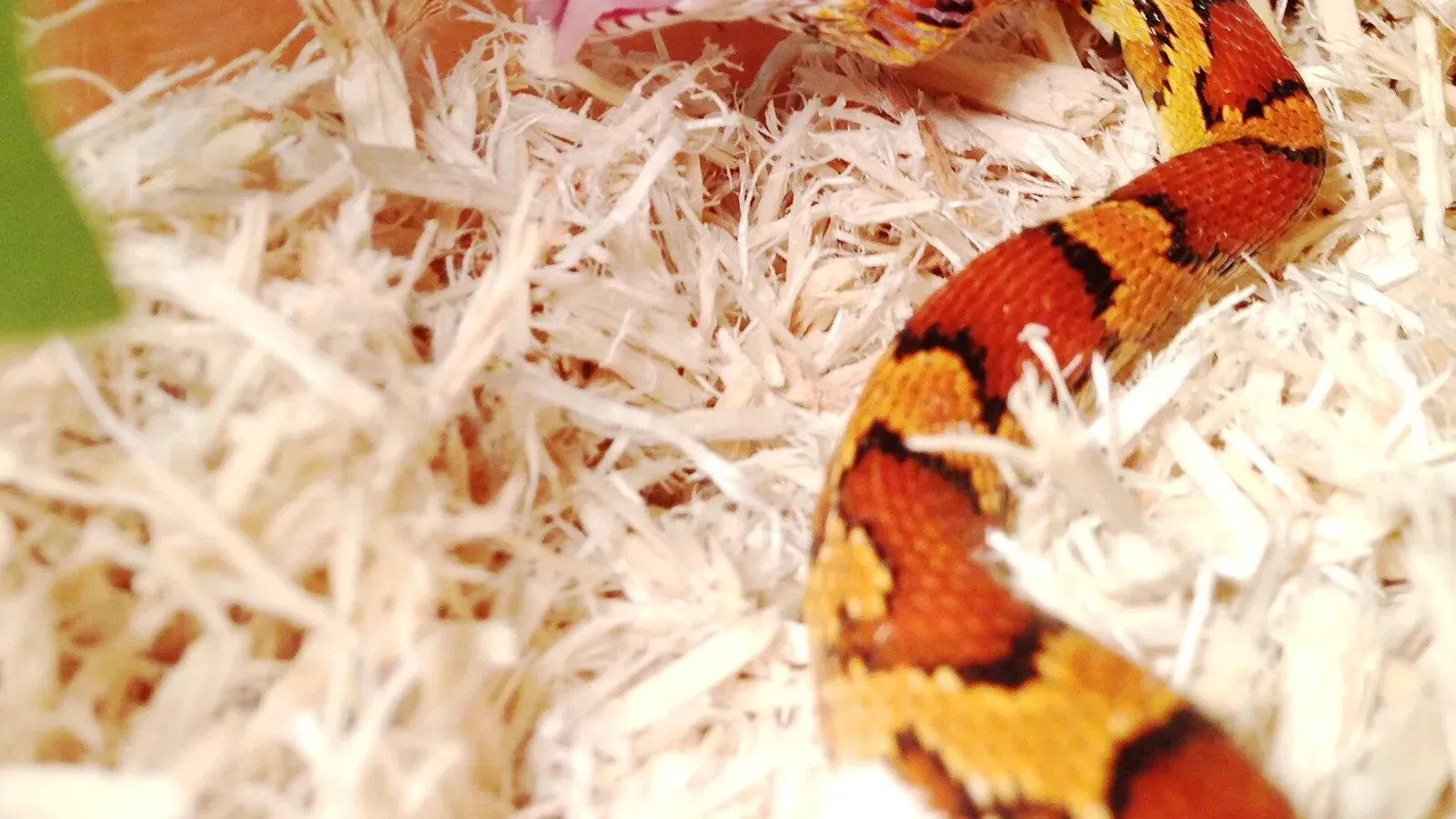
If you want a snake, it's hard to beat a corn snake. Corn snakes are slender, active and curious, feed readily on frozen/thawed mice and tolerate handling well. Their wide range of colors is a bonus.
Why beginners love them: reliable feeders, very handleable, moderate size. Watch out for: they're escape artists, so a secure enclosure is essential. See our corn snake care guide.
3. Ball python
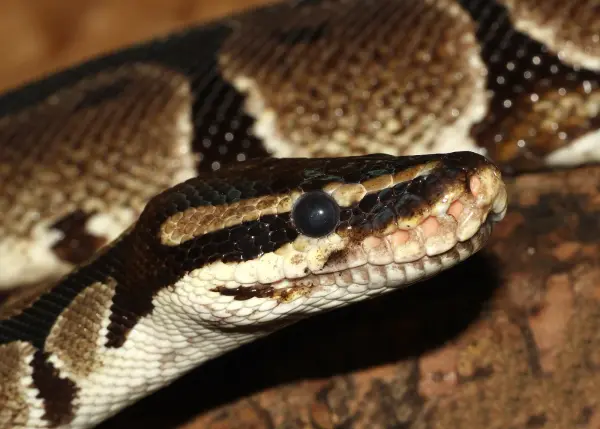
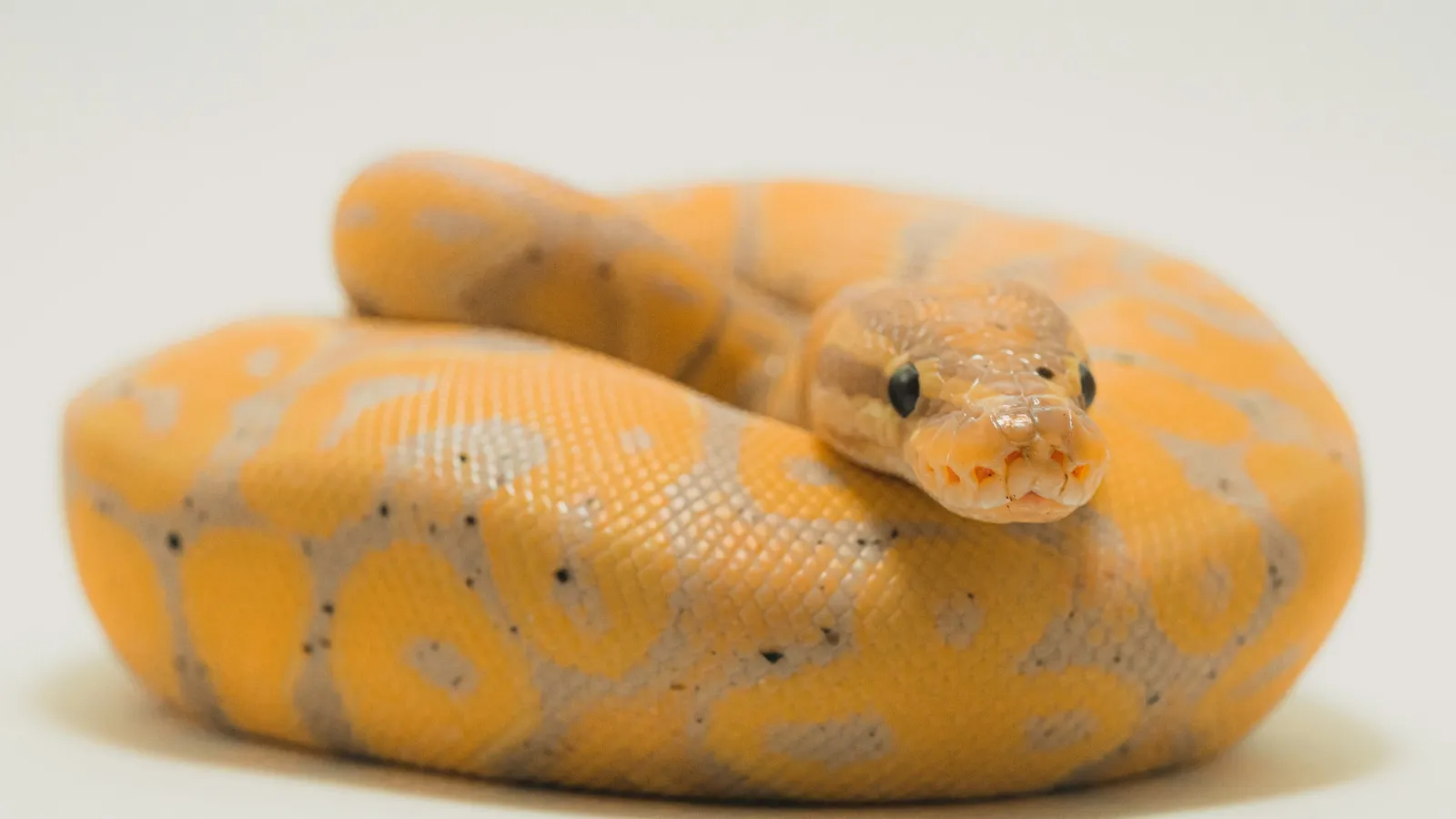
Ball pythons are calm, sturdy snakes that rarely bite and stay a manageable size. They're slower and more relaxed than corn snakes, which many people find reassuring when handling.
Why beginners love them: docile, slow-moving, huge variety of morphs. Watch out for: they need higher humidity, and healthy adults sometimes fast for weeks. That's normal, but it worries new keepers. They also live 25–30 years or more. Read our ball python care guide.
4. Crested gecko
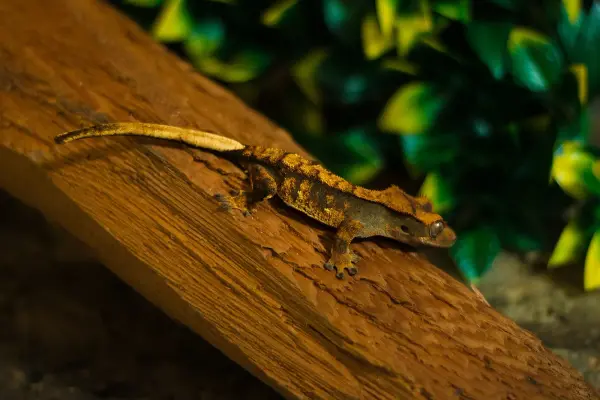
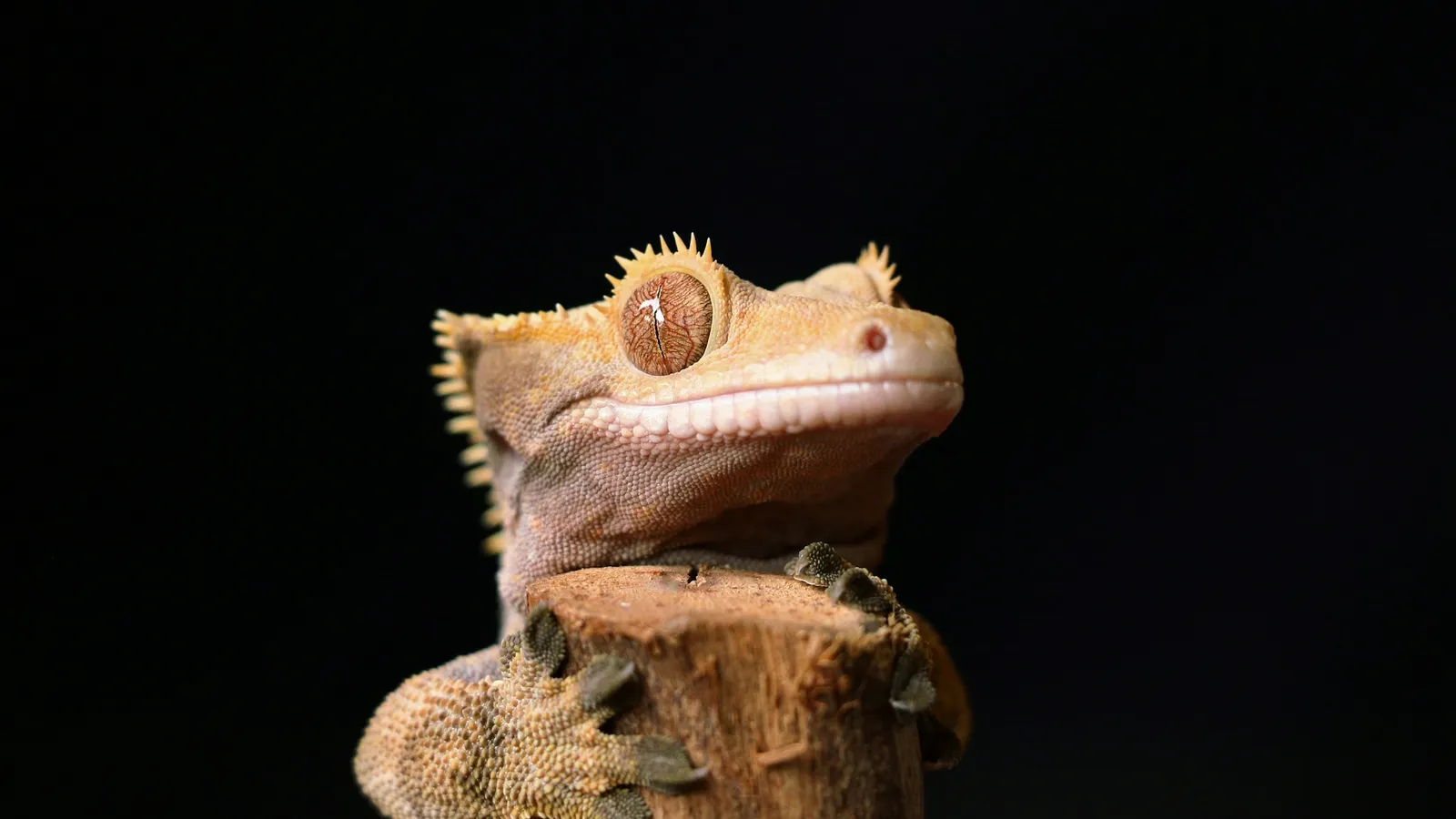
Crested geckos are ideal if you'd rather not keep live insects. They thrive on a complete powdered diet and are comfortable at room temperature, so most homes don't need extra heating.
Why beginners love them: simple diet, no basking lamp in most homes, charming personalities. Watch out for: they're sensitive to overheating and need a daily humidity cycle. Their tails don't grow back if dropped. See our crested gecko care guide.
5. Kenyan sand boa
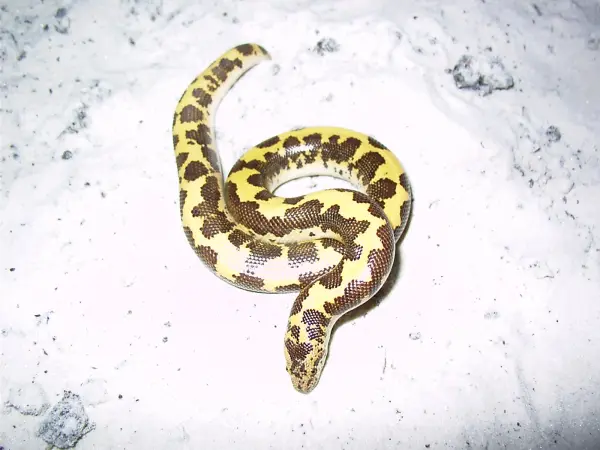
The Kenyan sand boa is a small, stocky snake that spends much of its time buried in sand with just its eyes showing. It's a great choice for small spaces and for keepers who enjoy a low-key pet.
Why beginners love them: small enclosure, easy feeding, calm. Watch out for: they need a dry, sandy substrate and can be shy, so they're often hidden.
6. Rosy boa
Rosy boas are gentle, slow-moving desert snakes. They're one of the most docile snakes available, stay under 3 ft and have modest heating needs.
Why beginners love them: extremely calm, small, long-lived. Watch out for: they need a dry setup, and they can be prone to respiratory infections if kept damp.
7. Bearded dragon
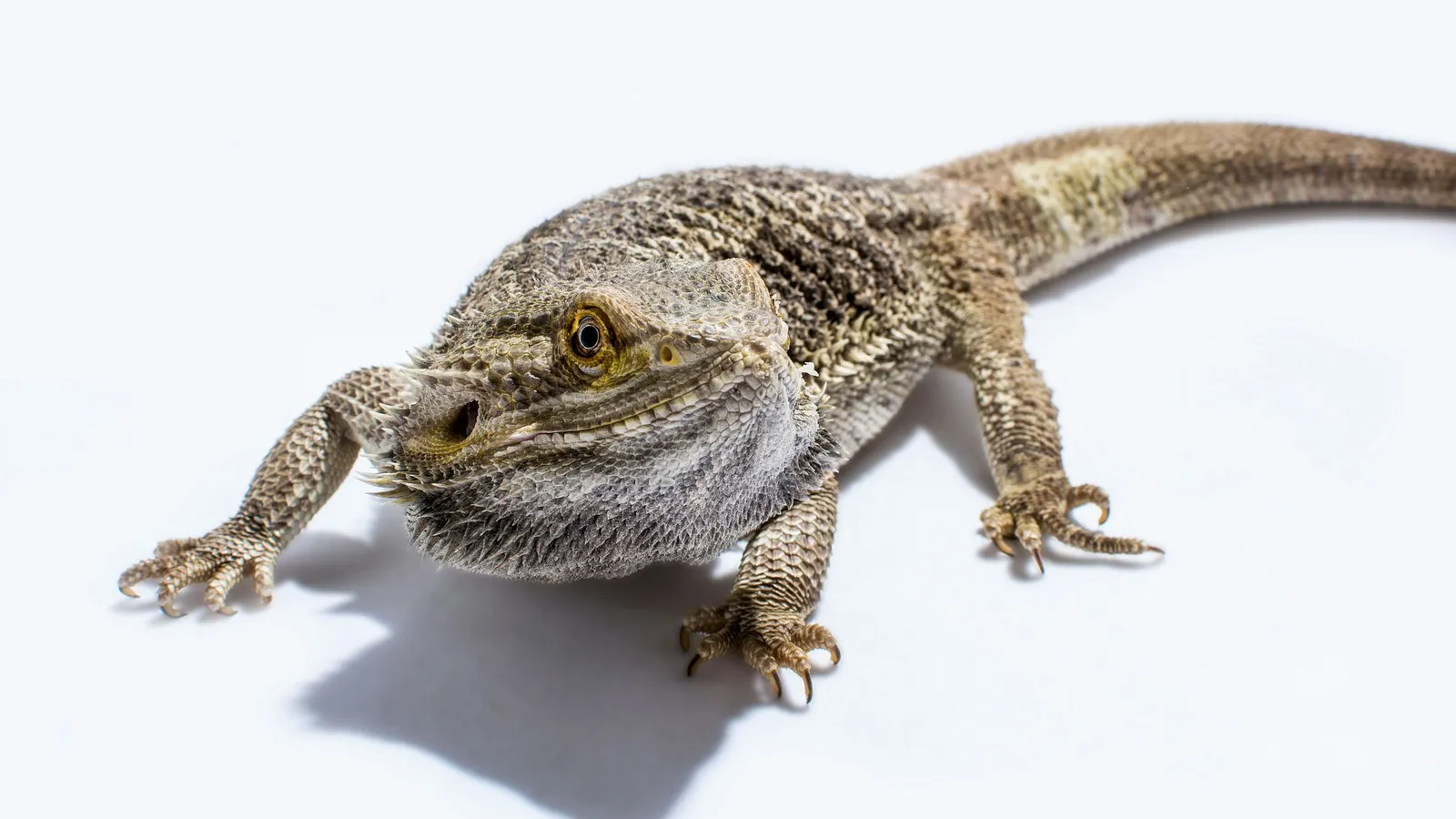
Bearded dragons are among the most interactive reptiles. Many enjoy time outside the enclosure and recognize their keepers. They're a great beginner lizard if you can meet their bigger needs.
Why beginners love them: personable, active during the day, easy to handle. Watch out for: they need a large enclosure, a very hot basking spot, strong UVB and fresh vegetables daily. Set-up costs are higher than for a gecko. Read our bearded dragon care sheet.
8. Western hognose snake
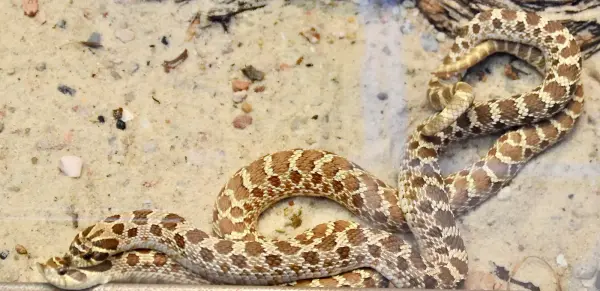
Western hognoses are small, stocky snakes with upturned snouts and dramatic personalities. They may hiss and puff up, or even play dead, but they very rarely bite in defense.
Why beginners love them: small enclosure, entertaining behavior, small adult size. Watch out for: they're rear-fanged with mild venom that's harmless to most people but can cause local swelling if they bite and hold on during a feeding response. Some are picky eaters as babies.
Reptiles to wait on
Some popular species are better as a second or third reptile, once you have experience:
- Chameleons: sensitive to stress, need precise humidity, misting and ventilation.
- Tegus and monitors: intelligent and rewarding, but they grow large and need room-sized enclosures and confident handling.
- Large constrictors: Burmese pythons and boas grow to sizes that need serious space and experience.
- Turtles and tortoises: long-lived and often need large indoor and outdoor setups.
How to choose
Ask yourself:
- How much space do I have? Measure where the enclosure will go.
- Am I comfortable feeding insects or rodents? Crested geckos are the main insect-free option.
- How long can I commit? Many of these species live 20 years or more.
- What's my budget? Include the enclosure, heating, lighting, thermostats and an emergency vet fund, not just the animal.
Whatever you choose, buy a healthy, captive-bred animal from a reputable source. Our guide to choosing a captive-bred reptile explains what to look for. Then use our checklist for preparing your home before your reptile arrives.
Frequently asked questions
What is the easiest reptile for a beginner?
Leopard geckos, corn snakes and crested geckos are usually considered the easiest. They're hardy, calm, stay a manageable size and have well-understood care requirements.
What is the best reptile for a child?
With adult supervision, leopard geckos and corn snakes are good choices because they're calm and tolerate gentle handling. An adult should always take overall responsibility for care, and everyone should wash their hands after handling any reptile.
Which beginner reptile doesn't eat live insects?
Crested geckos thrive on a complete powdered diet with only occasional insects. Snakes such as corn snakes and ball pythons eat frozen/thawed rodents rather than live insects.
How much does it cost to set up a reptile?
Expect the enclosure, heating, lighting, thermostat, décor and first supplies to cost more than the animal itself. Budget for ongoing food, bulb replacements and an annual vet check too.
About the author: ScaleHaven Care Team
Reptile keepers and breeders at ScaleHaven Reptiles
Our care team raises and looks after every animal we sell, from hatchling to shipping day. We write these guides from the husbandry we use in our own facility, and we review them as best practice evolves. For health concerns, always consult a qualified reptile veterinarian.