Signs of a Healthy Reptile and When to See a Vet
How to tell if your reptile is healthy, from eyes, skin, weight and breathing to droppings, plus the warning signs that need a reptile vet and how to find one.
- By ScaleHaven Care Team
- Published
- 5 min read
Reptiles are experts at hiding illness. In the wild, looking weak attracts predators, so by the time a reptile looks obviously sick, a problem has often been developing for weeks. The best thing you can do is learn what normal looks like for your animal, check it regularly, and act early when something changes.
A quick weekly health check
Spend a couple of minutes each week looking your reptile over in good light. Check each of these:
| Area | Healthy | Warning signs |
|---|---|---|
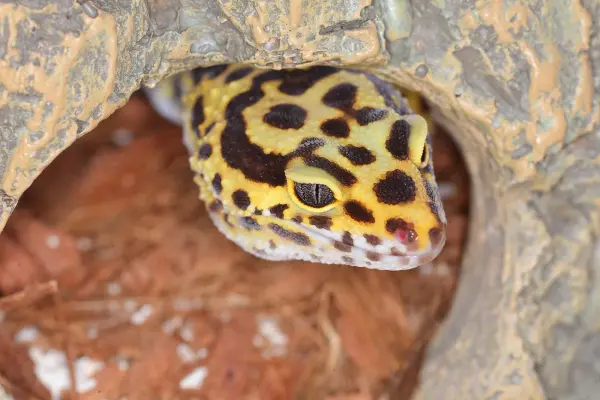
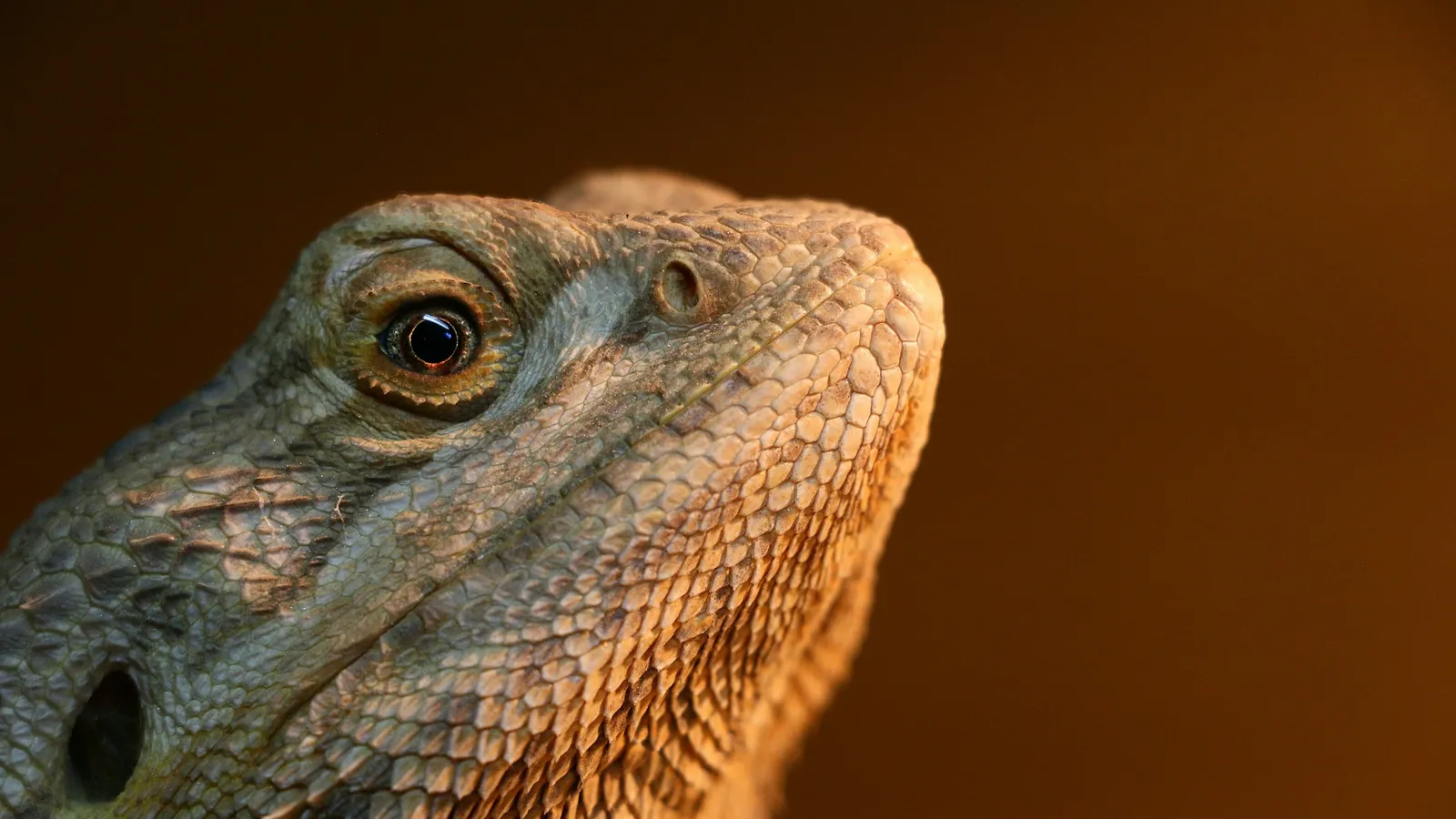
| Eyes | Clear, bright, open, alert | Sunken, swollen, cloudy (outside of a shed), discharge, kept closed |
| Nose and mouth | Clean, dry nostrils; pink, clean mouth | Bubbles, mucus, wheezing, open-mouth breathing, swelling, yellow or cheesy material |
| Skin | Smooth, intact scales; complete sheds | Stuck shed, blisters, discolored or raised scales, wounds, tiny moving dots (mites) |
| Body condition | Well-rounded; healthy fat stores (e.g. a plump gecko tail) | Visible hip bones or spine, thin tail, sudden weight loss or bloating |
| Limbs and jaw | Straight, firm, strong grip | Swelling, kinks, trembling, a soft or rubbery jaw |
| Behavior | Active at its normal times, alert, normal appetite | Lethargy, hiding constantly, unusual aggression, poor coordination |
| Droppings | Formed feces with a white or cream urate | Runny, bloody or very smelly droppings; no droppings for an unusually long time |
Weigh regularly
Weight is the earliest and most objective sign of a problem. Weigh your reptile monthly, or weekly for juveniles and animals you're watching, using a digital gram scale. Keep a simple log. A steady downward trend is a reason to see a vet, even if your reptile seems otherwise fine.
Small changes after a shed, a meal or a large dropping are normal. Look for trends over several weeks.
Common health problems
Metabolic bone disease (MBD)
Caused by too little calcium, too little vitamin D3 or inadequate UVB. Signs include twitching, weakness, swollen limbs, a soft jaw and deformities. Prevent it with correct UVB and a sensible supplement routine, as covered in our guides to UVB lighting and calcium and vitamin supplements.
Respiratory infections
Often linked to temperatures that are too low, or damp, stagnant air. Signs include wheezing, clicking, bubbles or mucus at the nose and mouth, and open-mouth breathing. Respiratory infections need veterinary treatment, often with antibiotics.
Stuck shed (dysecdysis)
Usually caused by low humidity or dehydration. Shed stuck on toes and tail tips can cut off blood flow. A humid hide with damp moss and the right humidity usually prevents it. See our humidity guide.
Mouth rot (infectious stomatitis)
Swelling, redness or cheesy material in the mouth, often after an injury or when the immune system is weakened by poor temperatures. Needs a vet.
Parasites and mites
Internal parasites can cause weight loss and abnormal droppings. A vet can test a fecal sample. Mites appear as tiny black or red dots moving on the skin, around the eyes or drowned in the water dish. They spread quickly and need treatment of both the animal and the enclosure.
Impaction
A blockage in the gut, sometimes from swallowing substrate or oversized prey. Signs include straining, no droppings, a swollen belly and lethargy. Correct temperatures and appropriately sized food reduce the risk.
Burns
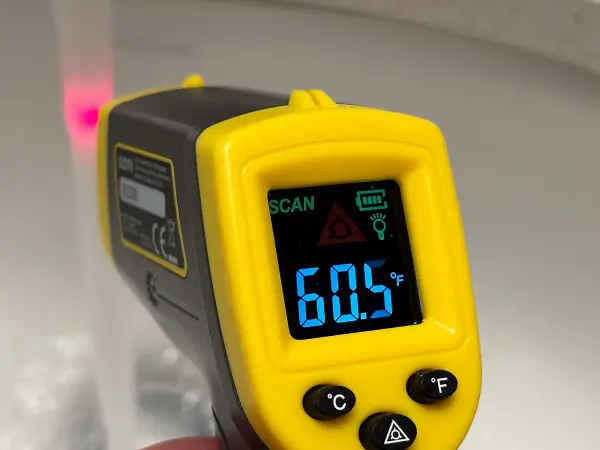
Caused by unguarded bulbs, heat rocks or heat mats without a thermostat. Every heat source needs a thermostat and guard. Check temperatures with an infrared temperature gun. Our heating guide covers safe setups.
Check the environment first
Many reptile health problems start with husbandry. Before and after a vet visit, check:
- Temperatures on the basking spot, warm side and cool side.
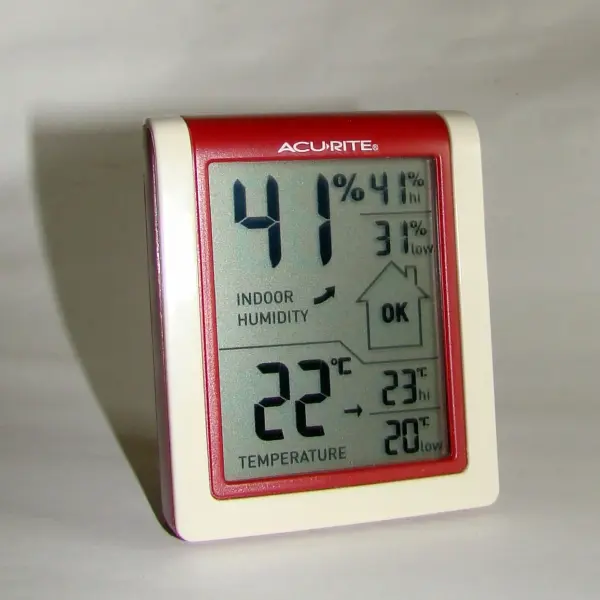
- Humidity, measured with a digital hygrometer.
- UVB age and distance.
- Cleanliness: spot-clean daily and deep-clean regularly with a reptile-safe cleaner.
Bring photos of your setup and a note of your temperatures, diet and supplement routine to the vet appointment.
When to see a vet
Go urgently, the same day
- Open-mouth breathing, gasping or severe wheezing.
- Bleeding, deep wounds or burns.
- Tissue protruding from the vent (prolapse).
- Seizures, inability to right itself, or paralysis.
- Suspected egg binding (a gravid female straining without producing eggs).
- A suspected broken bone.
Book an appointment soon
- Weight loss over several weeks.
- Refusing food for longer than is normal for your species and season.
- Swelling anywhere on the body.
- Repeated stuck sheds or retained eye caps.
- Abnormal droppings for more than a few days.
- Mites or suspected parasites.
Routine visits
A check-up within the first few weeks of bringing a reptile home, followed by an annual exam with a fecal test, catches many problems before they become serious.
Finding a reptile vet
Not every vet treats reptiles. Find one before you need one:
- Search for an "exotic" or "reptile" veterinarian near you.
- The Association of Reptile and Amphibian Veterinarians (ARAV) offers a directory of members.
- Call ahead and ask whether they see your species, and what their emergency arrangements are.
Keep the vet's details, and the nearest emergency exotic clinic, somewhere easy to find.
Frequently asked questions
How can I tell if my reptile is sick?
Watch for changes from your reptile's normal behavior: reduced appetite, weight loss, lethargy, unusual hiding, breathing noises, swelling, or changes in droppings. Weighing monthly helps you spot problems early.
Is it normal for a reptile to stop eating?
Sometimes. Many reptiles eat less before a shed, in winter or during breeding season, and adult snakes may fast for weeks. If your reptile is losing weight or shows other signs of illness, see a vet.
How often should a reptile see a vet?
Schedule a check-up soon after bringing a new reptile home, then an annual exam with a fecal test. See a vet promptly whenever you notice signs of illness.
What does a healthy reptile poop look like?
Most reptiles pass formed feces along with a white or cream urate, the reptile equivalent of urine. Runny, bloody or unusually smelly droppings, or none for an unusually long time, are worth discussing with a vet.
About the author: ScaleHaven Care Team
Reptile keepers and breeders at ScaleHaven Reptiles
Our care team raises and looks after every animal we sell, from hatchling to shipping day. We write these guides from the husbandry we use in our own facility, and we review them as best practice evolves. For health concerns, always consult a qualified reptile veterinarian.