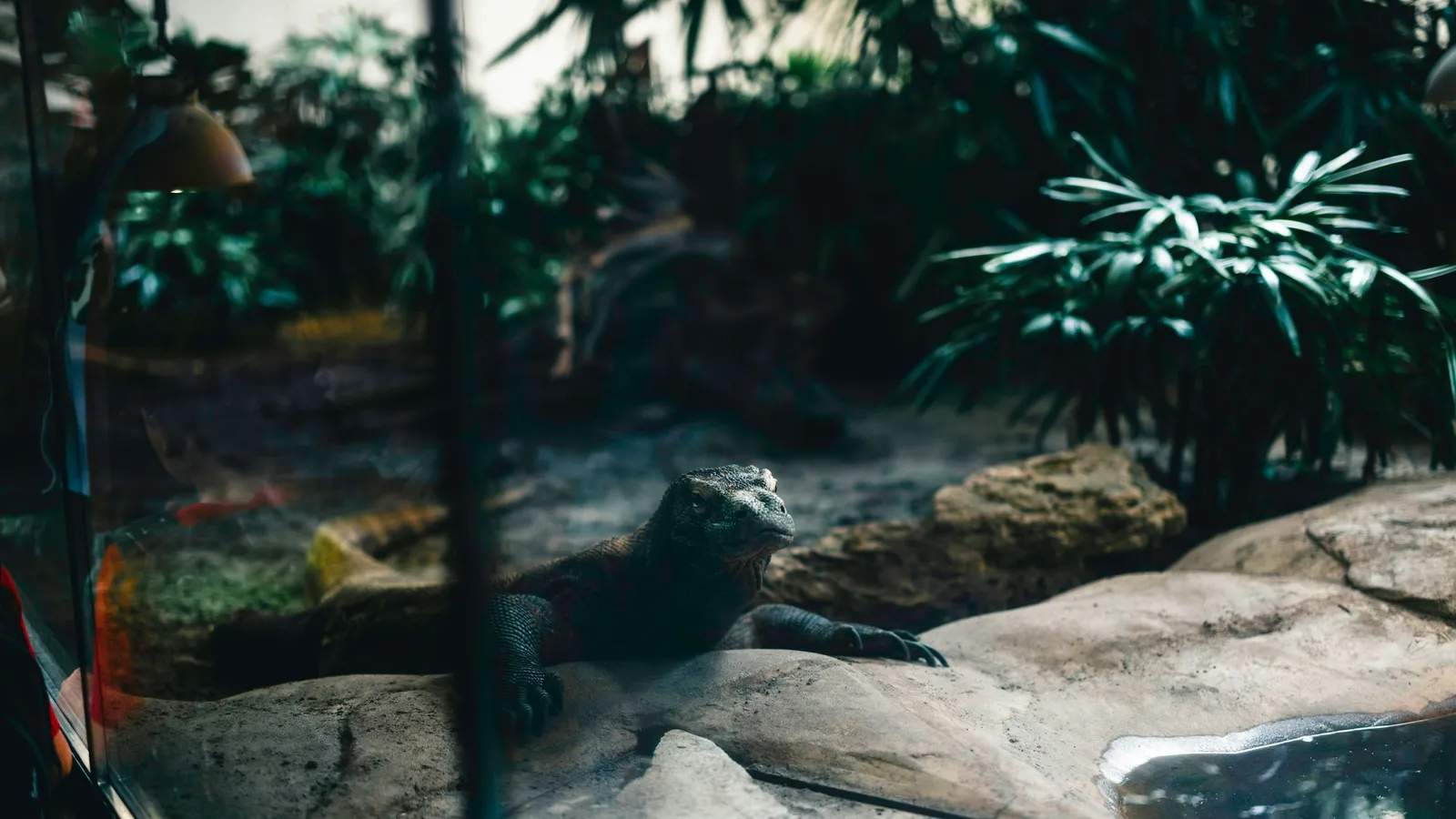
Preparing Your Home Before Your New Reptile Arrives
A step-by-step checklist for getting ready for a new reptile, from choosing a spot and testing the enclosure to supplies, a vet, quarantine and the first week.
- By ScaleHaven Care Team
- Published
- 5 min read
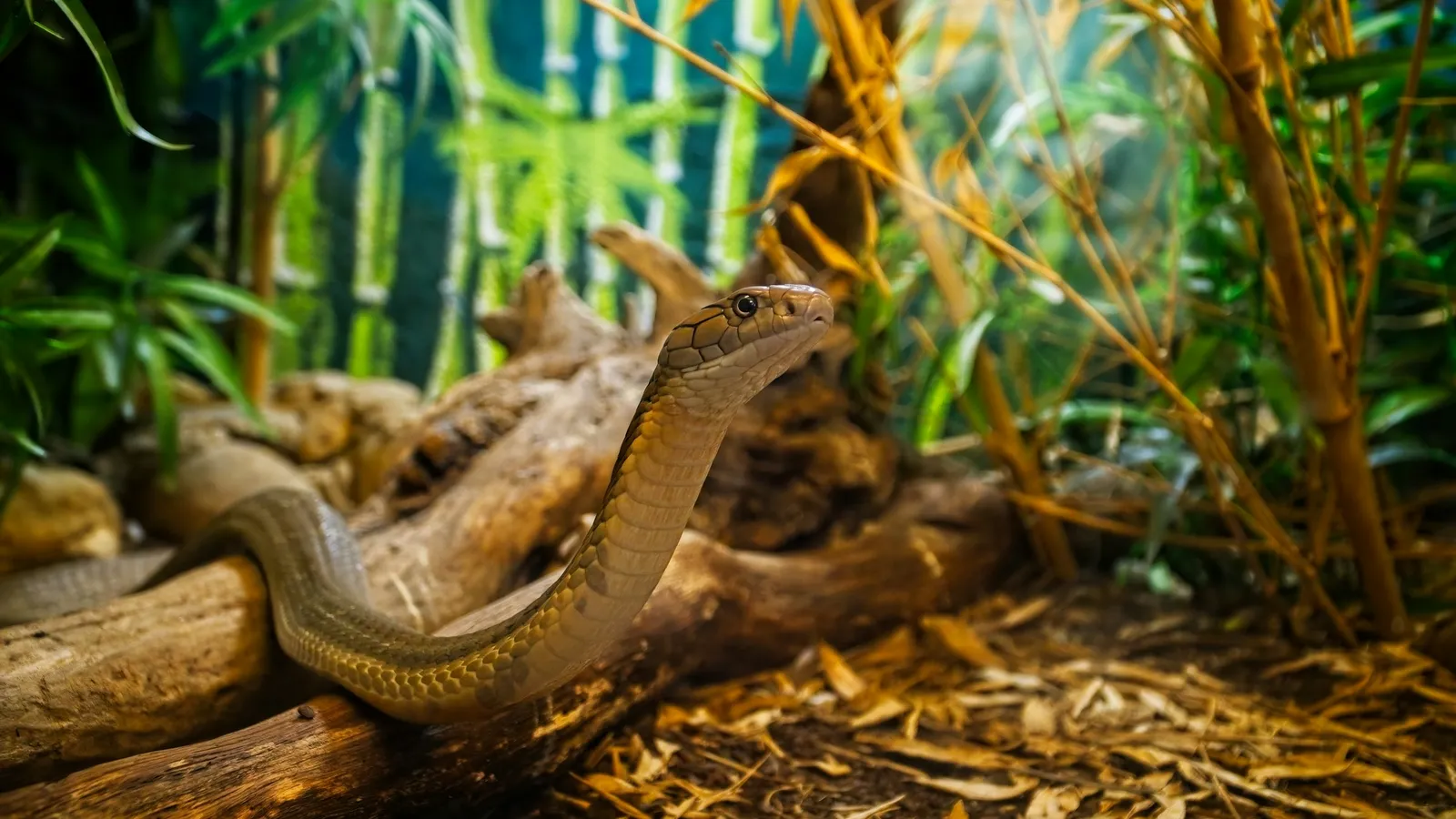
Bringing home a reptile is exciting, but the most important work happens before your new pet arrives. A reptile that comes home to a fully tested enclosure, at the right temperatures, with food on hand and a vet lined up, settles in faster and is far less likely to get sick.
Use this checklist in the two weeks before your reptile arrives.
Two weeks before: research and plan
- Read a full care guide for your species, such as our guides for leopard geckos, ball pythons or corn snakes.
- Check local rules and your lease. Some areas and landlords restrict reptiles.
- Budget for the enclosure, heating, lighting, thermostats, décor, food, supplements and an emergency vet fund.
- Find a reptile vet near you and save their number, plus the nearest emergency exotic clinic.
Choose the right spot
Where the enclosure goes affects temperatures, stress and safety.
Good spots:
- A quiet room with a stable temperature.
- A sturdy stand or furniture rated for the enclosure's weight, including substrate and water.
- Near a power outlet, so cords aren't stretched across walkways.
Avoid:
- Direct sunlight, which can overheat an enclosure in minutes.
- Drafty areas near doors, windows, heating vents or air conditioners.
- Kitchens, because of fumes, especially from non-stick cookware.
- Busy hallways or rooms with loud music or televisions.
- Places pets can reach: cats and dogs can stress reptiles and may knock over or open enclosures.
One to two weeks before: set up and test
Set up the enclosure fully and run it for at least 5–7 days before your reptile arrives. A Leopard Gecko Complete Starter Kit, or a kit for your species, makes this easier because the components are already matched.
- Assemble the enclosure and check doors, locks and gaps. Many reptiles, especially snakes, are escape artists.
- Install heat and UVB fixtures, each heat source on a thermostat.
- Put lights on a digital timer for a consistent day–night cycle.
- Add substrate, at least two hides (one warm, one cool), climbing décor and a sturdy water dish.
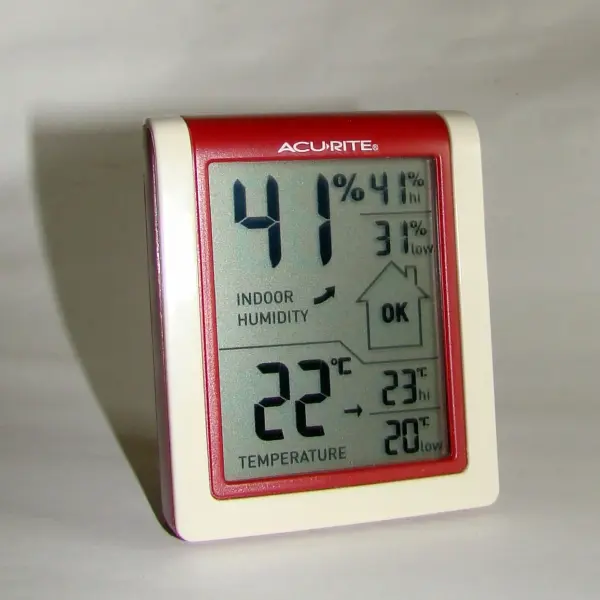
- Place a digital thermometer and hygrometer on each side.
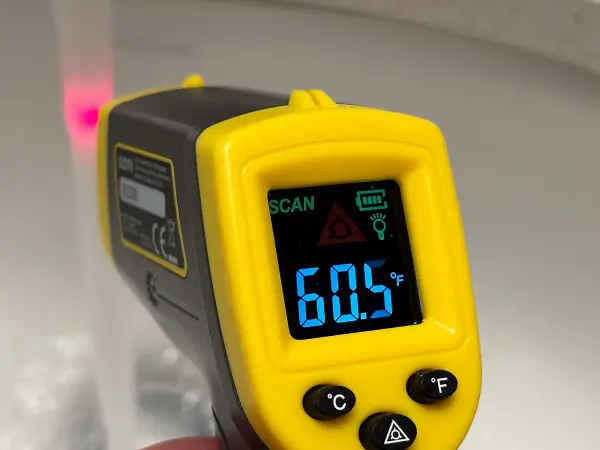
- Check the basking surface with an infrared temperature gun.
- Check temperatures morning, afternoon and night for several days, and adjust until they're stable in your species' range.
If you're new to heating or lighting, our heating guide and UVB guide explain how to get it right.
Supplies checklist
Housing
- Enclosure sized for the adult animal (or a plan to upgrade)
- Substrate suited to the species
- At least two hides, such as a half log hide plus a cave hide
- A humid hide for shedding, if your species needs one
- Branches, cork bark and plants for cover and climbing
Heat and light
- Basking bulb or other heat source, in a suitable fixture
- Thermostat matched to each heat source
- UVB tube and fixture
- Timer
Monitoring
- Digital thermometer and hygrometer
- Infrared thermometer
- Gram scale for monthly weight checks
Food and care
- A supply of the food your animal is already eating, ideally the same type and size
- Calcium and multivitamin supplements, for insect- and plant-eaters
- Feeding tongs
- Reptile-safe cleaner, paper towels and a spray bottle
- Hand sanitizer or soap near the enclosure
Not sure what to feed? Read what do reptiles eat?
If you have other reptiles: quarantine
Set up a separate quarantine enclosure in a different room. Keep the new animal there for at least 60–90 days, use separate tools, and always care for your existing animals first and the new one last, washing your hands in between. A vet check and fecal test during quarantine is a good idea.
Arrival day
- Be home to receive the delivery. Overnight reptile shipments need someone 18 or older to sign.
- Open the box indoors, in a warm room, as soon as it arrives.
- Gently move your reptile into its enclosure with minimal handling.
- Check it over quickly: eyes, breathing, body condition. Contact the seller right away if you have concerns.
- Weigh it if you can do so without much stress, or wait a few days.
- Leave the room quiet and dimly lit.
The first week: let it settle
New reptiles are often stressed after a move. Most settle within a week if left alone.
- Don't handle for the first 5–7 days, beyond what's needed.
- Offer food after 3–5 days. It's normal for a new reptile, especially a snake, to skip the first meal or two.
- Keep checking temperatures and humidity.
- Watch from a distance and note when your reptile is active, where it hides and whether it's using the warm and cool sides.
- Spot-clean droppings, but avoid rearranging the enclosure.
After the first week, start short, gentle handling sessions and gradually build up.
House rules for the family
- Wash hands before and after handling reptiles or touching their enclosure. Reptiles can carry Salmonella.
- Supervise children, and teach them to support the animal's body and never squeeze or grab tails.
- Keep reptiles away from food prep areas, and don't wash enclosure items in the kitchen sink.
- Plan for holidays: arrange a knowledgeable pet sitter who knows the routine.
Once your reptile has settled, book a check-up with your vet. Our article on signs of a healthy reptile shows what to watch in the weeks ahead.
Frequently asked questions
How long before getting a reptile should I set up the enclosure?
Set up and run the enclosure for at least 5–7 days before your reptile arrives. That gives you time to check temperatures at different times of day and adjust the thermostat until everything is stable.
When can I handle my new reptile?
Wait about a week before handling, so your reptile can settle in. Then start with short, gentle sessions and gradually increase the time.
Why won't my new reptile eat?
Stress from moving often causes a new reptile to skip a meal or two. Make sure temperatures are correct, provide hides, offer food after 3–5 days and avoid handling. If it still refuses food after a couple of weeks, or loses weight, contact the seller or a reptile vet.
Do I need to quarantine a new reptile?
If you have other reptiles, yes. Keep the new animal in a separate room with separate equipment for 60–90 days to reduce the risk of spreading parasites or disease.
About the author: ScaleHaven Care Team
Reptile keepers and breeders at ScaleHaven Reptiles
Our care team raises and looks after every animal we sell, from hatchling to shipping day. We write these guides from the husbandry we use in our own facility, and we review them as best practice evolves. For health concerns, always consult a qualified reptile veterinarian.