UVB Lighting Explained: What Your Reptile Really Needs
How UVB light helps reptiles make vitamin D3, the difference between T5 and T8 tubes, UV Index zones, mounting distance, mesh losses and when to replace bulbs.
- By ScaleHaven Care Team
- Published
- 5 min read
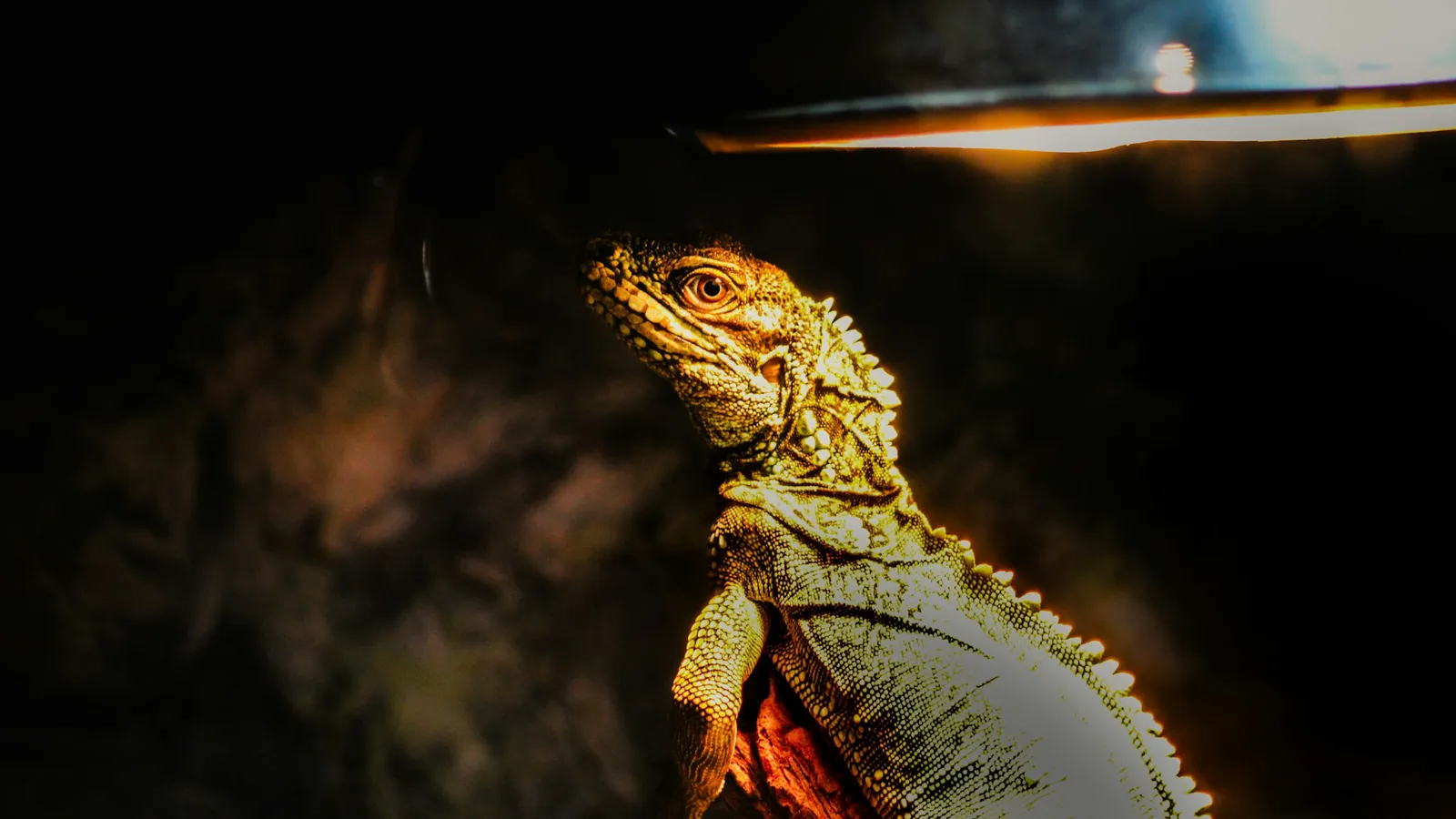
UVB lighting is one of the most important, and most misunderstood, parts of keeping reptiles. Get it right and your reptile can make the vitamin D3 it needs for strong bones. Get it wrong and even a well-fed animal can develop metabolic bone disease. This guide explains what UVB does, how to choose a light and how to set it up so the right amount actually reaches your reptile.
What is UVB, and why does it matter?
Sunlight contains several kinds of light:
- Visible light: what we see. It drives day–night rhythms and natural behavior.
- UVA: invisible to us but visible to most reptiles. It affects how they see colors, food and each other.
- UVB: a shorter wavelength that triggers vitamin D3 production in the skin.
- Infrared (IR): heat.
When UVB hits a reptile's skin, it converts a precursor into vitamin D3. Vitamin D3 lets the gut absorb calcium from food. Without it, the body pulls calcium from the bones, leading to metabolic bone disease (MBD): soft or swollen bones, tremors, a rubbery jaw and fractures.
Dietary D3 from supplements helps, but for most day-active lizards it's no substitute for proper UVB. Many keepers and vets now recommend low-level UVB for nocturnal and crepuscular species too, such as leopard geckos and crested geckos.
Types of UVB light
| Type | Pros | Cons |
|---|---|---|
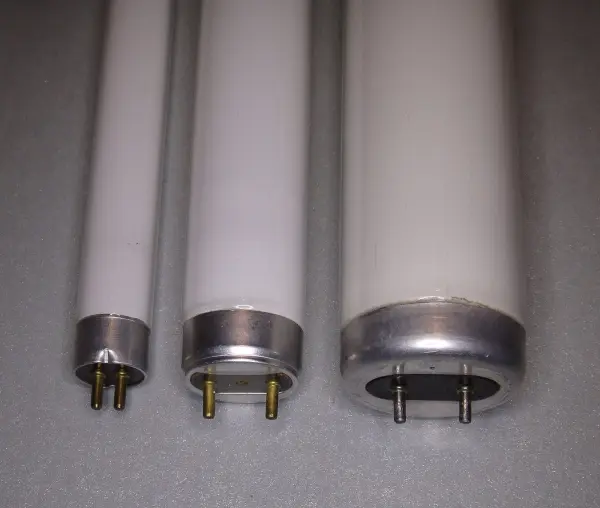
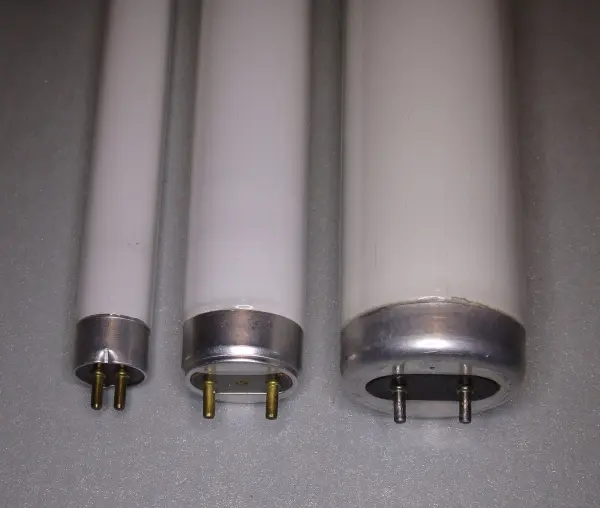
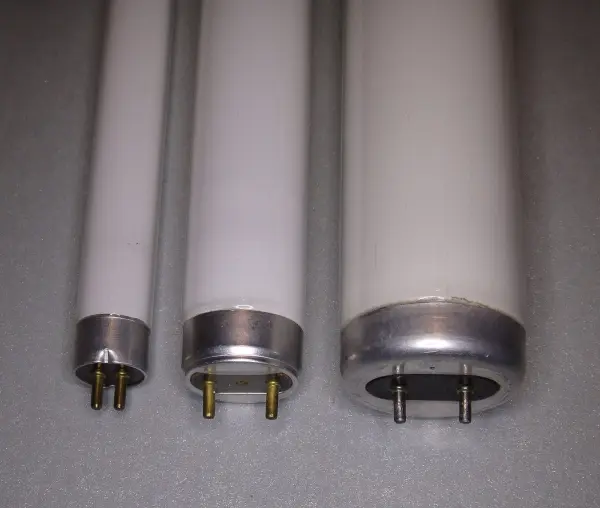
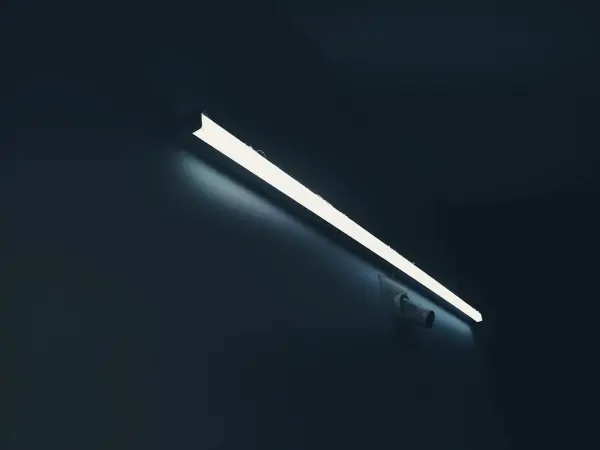
| T5 HO linear tube | Strong, even output over a long area; lasts about 12 months | Needs a matching fixture |
| T8 linear tube | Cheaper, lower output; fine for low-UV species in small enclosures | Weak at distance; replace every 6–12 months |
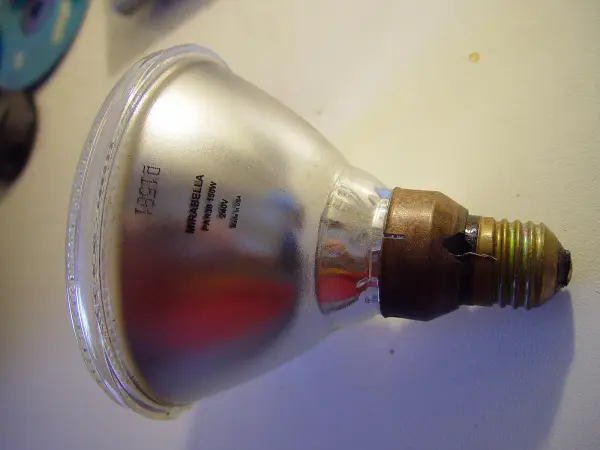
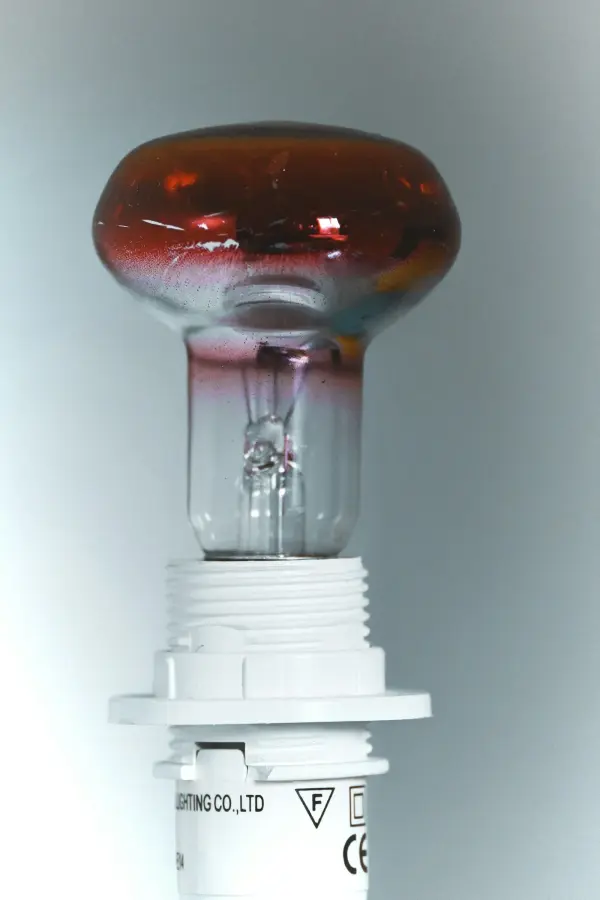
| Compact coil bulb | Cheap and easy to fit | Narrow, uneven output; not recommended as a main UVB source |
| Mercury vapor bulb | UVB and heat in one bulb | Can't be used on a thermostat; strong hotspot; needs careful distance |
For most setups, a T5 HO tube in a reflector fixture is the most reliable choice. A reflector, like the one in our T5 HO reflector fixture, roughly doubles the useful output by directing light downward.
What do the percentages mean?
Labels like "6%" or "12%" describe the proportion of UVB in the bulb's output, not an absolute strength. As a rough guide:
- 5–7% (forest or shade): leopard geckos, crested geckos, corn snakes, ball pythons and other shade-dwelling or nocturnal species. Our T5 HO UVB 6% tube suits these animals.
- 10–14% (desert): bearded dragons, uromastyx and other full-sun baskers, such as with our T5 HO UVB 12% tube.
The real measure of what your reptile receives is the UV Index (UVI) at the basking spot.
UV Index zones
Reptile keepers often use the Ferguson zones, which group species by how much UV they're exposed to in the wild. Simplified:
| Zone | Typical behavior | Example species | Approx. UVI at basking spot |
|---|---|---|---|
| 1 | Shade-dwelling, crepuscular | Leopard gecko, crested gecko | 0.5–1.4 |
| 2 | Partial sun, occasional basker | Corn snake, ball python | 1.0–3.0 |
| 3 | Open or partial-sun basker | Bearded dragon, tegu | 3.0–7.0 |
| 4 | Full-sun, midday basker | Uromastyx | 4.5–9.5 |
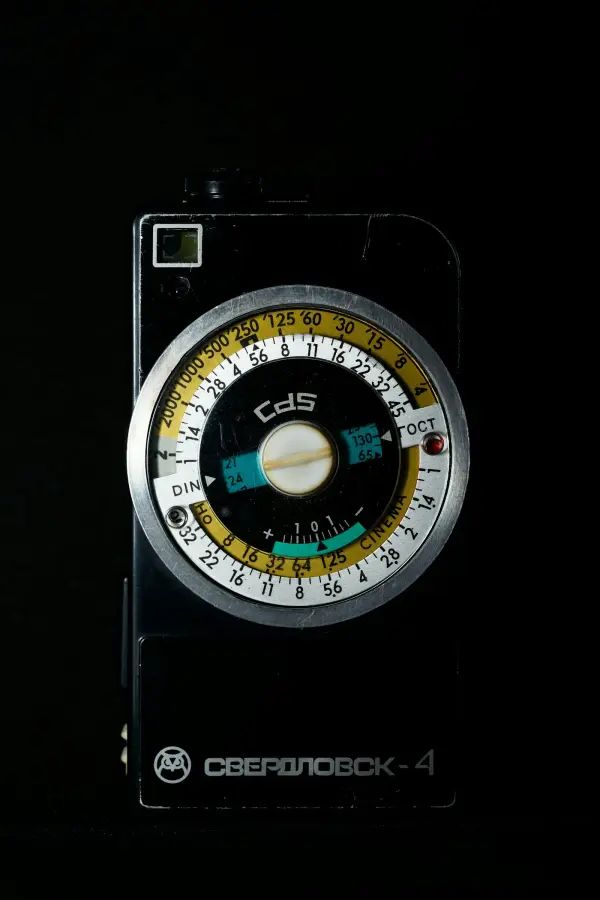
These are ranges for the hottest, brightest spot. The rest of the enclosure should step down to near zero, so your reptile can choose its exposure, just as it would move between sun and shade in the wild. A handheld UV index meter is the only way to know the actual readings.
Placement and distance
UVB strength drops quickly with distance. Three rules make the biggest difference:
- Distance: follow the manufacturer's guidance for your bulb. A T5 HO 12% tube is typically mounted so a basking bearded dragon is about 12–15 in (30–38 cm) from the tube, or closer if there's mesh in between.
- Mesh blocks UVB: a screen top can block 30–50% of UVB, depending on the mesh. Mount the light inside the enclosure if possible, or reduce the distance to compensate.
- Glass and plastic block UVB completely. Light through a window or a glass lid provides no useful UVB.
Place the UVB over the same area as the basking heat. Reptiles bask to warm up, so that's where they absorb UVB. The tube should cover about one-half to two-thirds of the enclosure length, leaving a shaded refuge.
Day length and timers
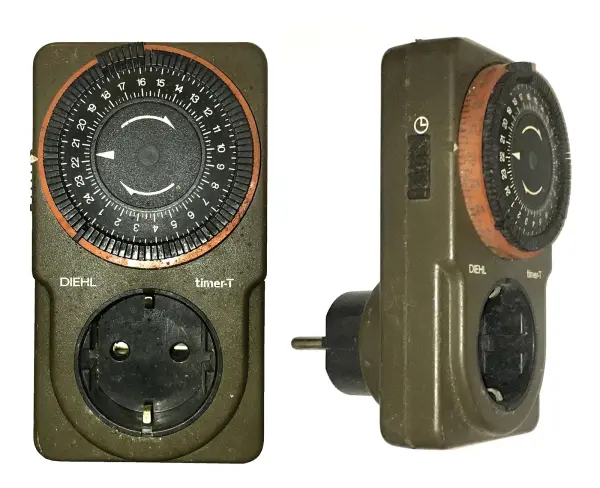
Run UVB and visible light together for 10–14 hours a day, depending on the species and season, and turn everything off at night. A digital lighting timer keeps the schedule consistent even when you're away.
When to replace UVB bulbs
UVB output fades long before the visible light dims.
- T5 HO tubes: every 12 months.
- T8 tubes: every 6–12 months.
- Coil and mercury vapor bulbs: follow the manufacturer's guidance, often 6–12 months.
Write the installation date on the fixture, or set a phone reminder.
Common mistakes
- A coil bulb or weak tube for a desert lizard that needs strong UVB.
- UVB sitting above a fine mesh, too far from the basking spot.
- No shaded area, so the reptile can't escape the UV.
- Old bulbs that look bright but give little UVB.
- Relying on a window. Glass blocks UVB.
UVB works hand in hand with heat and diet. Read our heating guide to set up the basking spot, and our guide to calcium and vitamin supplements to balance supplements with UVB.
Frequently asked questions
Do snakes need UVB?
Snakes that eat whole prey get vitamin D3 from their food and can survive without UVB. Many keepers and vets now recommend low-level UVB anyway, because it appears to support natural behavior and overall health.
Can a reptile get UVB through a window?
No. Ordinary window glass blocks almost all UVB, so sunlight through a window provides no useful UVB. Never place a glass enclosure in direct sun either, as it can overheat quickly.
How far should a UVB light be from my reptile?
It depends on the bulb, the species and whether there's mesh in between. As a starting point, a T5 HO 12% tube is often 12–15 in from a basking bearded dragon. Follow the manufacturer's guidance and measure with a UV index meter if possible.
How often should I replace my UVB bulb?
Replace T5 HO tubes every 12 months and T8 tubes every 6–12 months, even if they still look bright. UV output fades long before visible light does.
About the author: ScaleHaven Care Team
Reptile keepers and breeders at ScaleHaven Reptiles
Our care team raises and looks after every animal we sell, from hatchling to shipping day. We write these guides from the husbandry we use in our own facility, and we review them as best practice evolves. For health concerns, always consult a qualified reptile veterinarian.