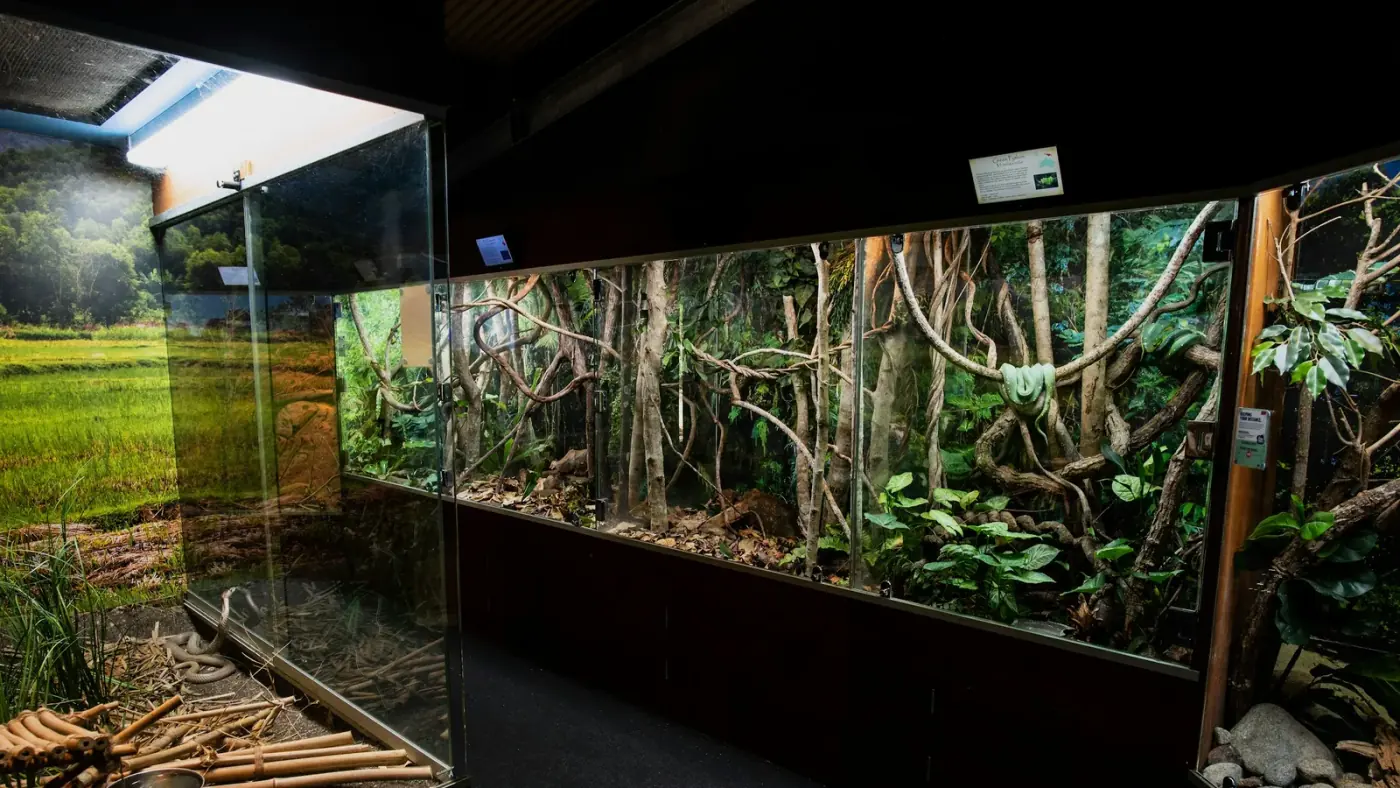
Humidity Guide for Reptiles: Targets, Tools and Fixes
Humidity ranges for popular reptiles, how to measure them accurately, simple ways to raise or lower humidity, and the shedding and health problems wrong levels cause.
- By ScaleHaven Care Team
- Published
- 5 min read
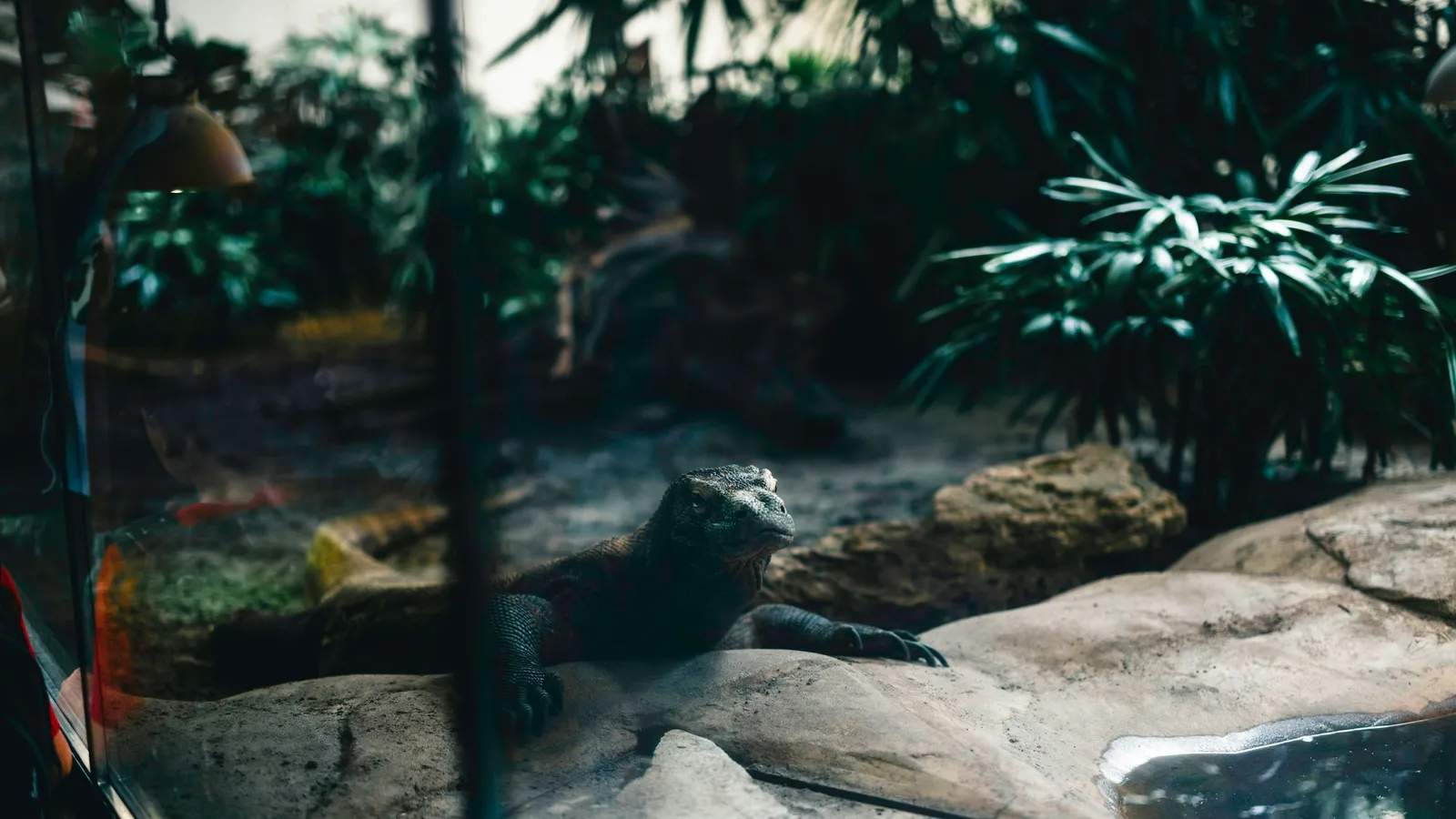
Humidity is the amount of water vapor in the air, and for reptiles it matters almost as much as temperature. The right humidity helps your reptile shed cleanly, stay hydrated and breathe easily. The wrong humidity, too dry or too damp, causes some of the most common health problems keepers see.
Why humidity matters
- Shedding: reptiles need moisture to separate old skin from new. Low humidity leads to stuck shed (dysecdysis), especially on toes, tail tips and eye caps, which can restrict blood flow.
- Hydration: many reptiles absorb moisture from the air and drink droplets rather than from bowls.
- Breathing: air that's too dry irritates airways, while stagnant, damp air encourages bacteria and fungi linked to respiratory infections.
- Skin health: constantly wet substrate can cause scale rot and blister disease, especially in snakes.
Humidity targets for popular species
| Species | Target humidity | Notes |
|---|---|---|
| Bearded dragon | 30–40% | Dry desert species; avoid damp substrate |
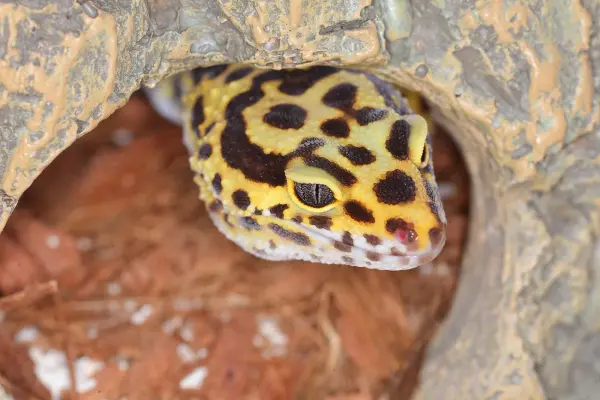
| Leopard gecko | 30–40% | Dry air plus a humid hide |
| Corn snake | 40–60% | Room humidity is often enough |
| Ball python | 60–80% | Higher during shedding |
| Crested gecko | 50–60% by day, 70–80% after evening misting | Needs a daily wet–dry cycle |
| Kenyan sand boa | 20–40% | Dry sand; damp areas cause problems |
Notice the pattern: desert species need dry air with a humid retreat, and tropical species need higher humidity with good airflow. Almost no reptile does well in a permanently soaking-wet enclosure.
Measuring humidity accurately
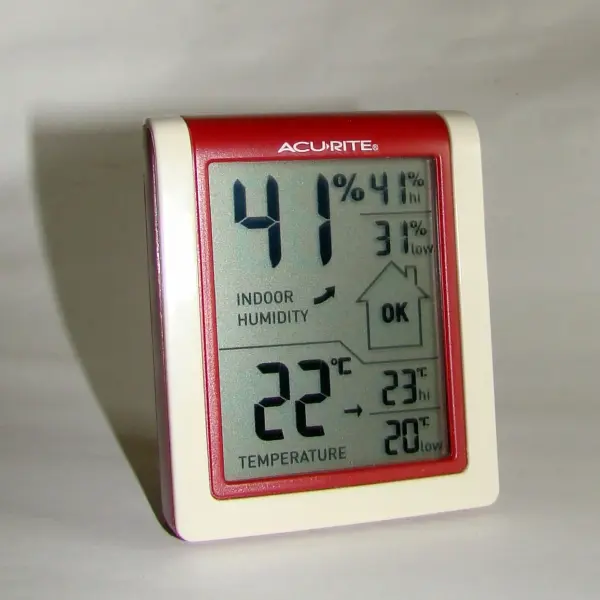
Use a digital hygrometer with a probe, like our digital thermometer and hygrometer. Analog dial gauges drift and are often 10–20% wrong.
- Measure at the height where your reptile spends its time, not just near the top.
- Check at different times of day. Humidity drops as basking lights warm the air and rises after misting.
- Calibrate or cross-check your hygrometer occasionally against a second one.
How to raise humidity
Work through these from simplest to most involved:
- Use a moisture-holding substrate. Coco fiber, cypress mulch and bioactive soil blends hold water and release it slowly. Our coco fiber bricks expand into a soft, moisture-holding substrate.
- Mix water into the substrate, rather than only misting the surface. Damp lower layers release humidity for days.
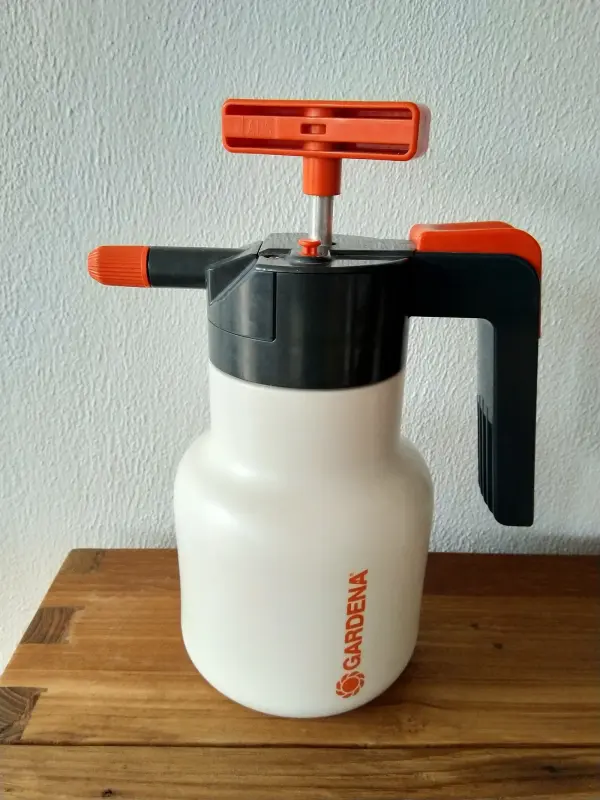
- Mist the enclosure with a hand pressure sprayer, or set up an automatic misting system on a timer for tropical species.
- Add a larger water dish, placed on the warm side so more water evaporates.
- Cover part of a mesh top with glass, acrylic or foil tape to reduce moisture loss. Leave some ventilation open.
- Add live plants and leaf litter, which hold and release moisture naturally.
The humid hide
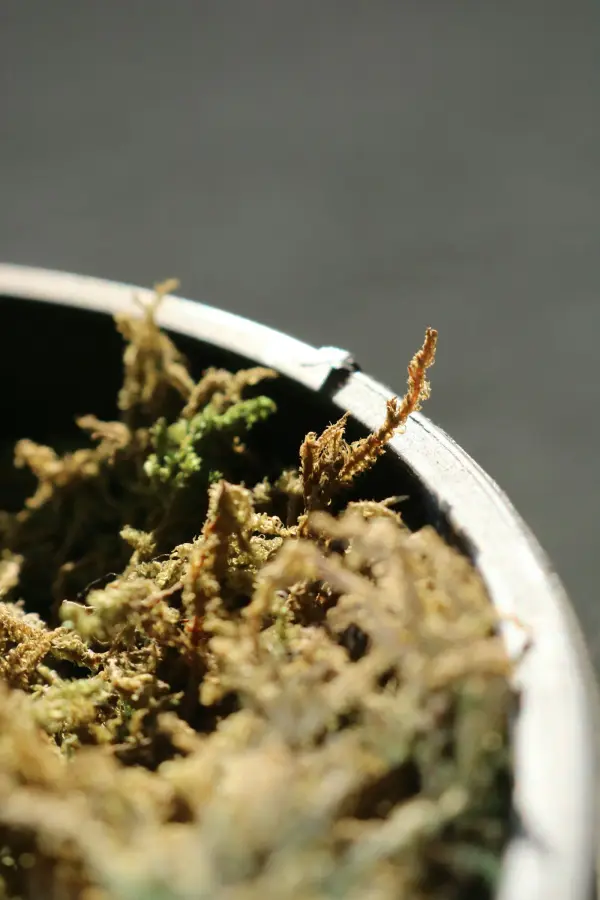
For desert species, you don't want to raise humidity across the whole enclosure. Instead, give them a humid hide filled with damp sphagnum moss. The reptile can visit when it needs moisture, especially before a shed. Re-moisten the moss every few days and replace it if it smells sour.
How to lower humidity
- Increase ventilation: open more of the mesh top or add vents.
- Switch substrate: use a drier substrate, such as a sand and soil mix for desert species.
- Move the water dish to the cool side and use a smaller one.
- Mist less often, and let the surface dry between mistings.
- Check your room: an enclosure in a humid basement or bathroom may need a dehumidifier in the room.
Humidity and airflow go together
High humidity is only a problem when air can't move. In nature, tropical air is humid but constantly moving. In an enclosure, stagnant damp air leads to mold, bacteria and respiratory infections. Good ventilation, usually from a mesh top plus lower vents, keeps humid enclosures healthy.
If you're building a tropical setup, a bioactive enclosure is one of the most stable ways to hold humidity. See our bioactive terrarium guide.
Humidity through the seasons
Your home's humidity changes through the year, so your enclosure's humidity will too. In winter, central heating can dry the air dramatically, and tropical setups may need more misting, a larger water dish or a partly covered top. In summer, especially in humid climates, desert enclosures can become too damp, so add ventilation and mist less. Check your hygrometer more often when the seasons change, and adjust gradually rather than all at once.
Signs humidity is wrong
Too dry:
- Patchy or incomplete sheds, retained eye caps, stuck skin on toes.
- Wrinkled skin or sunken eyes (also signs of dehydration).
- Repeated soaking in the water dish.
Too damp:
- Condensation running down the glass all day.
- Mold on substrate or decor.
- Brown or red marks on belly scales (possible scale rot).
- Wheezing, bubbles at the nose or open-mouth breathing.
If you see breathing problems or skin lesions, see a vet. Our article on signs of a healthy reptile covers more warning signs.
Frequently asked questions
What humidity should a reptile enclosure be?
It depends on the species. Desert reptiles like bearded dragons and leopard geckos need about 30–40%, while tropical species like ball pythons need 60–80%. Check the care guide for your animal.
Is misting enough to keep humidity up?
Misting the surface gives a short spike that fades within an hour or two. For lasting humidity, use a moisture-holding substrate, mix water into lower layers and reduce excess ventilation.
Can humidity be too high for reptiles?
Yes. Constantly high humidity without airflow encourages mold and bacteria and can lead to respiratory infections and scale rot. Aim for the right range with good ventilation, and let tropical enclosures dry slightly between mistings.
Why is my reptile having trouble shedding?
Low humidity is the most common cause. Provide a humid hide with damp moss, raise overall humidity slightly before a shed, and check that your reptile is well hydrated. If shed stays stuck on toes or eyes, ask a vet.
About the author: ScaleHaven Care Team
Reptile keepers and breeders at ScaleHaven Reptiles
Our care team raises and looks after every animal we sell, from hatchling to shipping day. We write these guides from the husbandry we use in our own facility, and we review them as best practice evolves. For health concerns, always consult a qualified reptile veterinarian.