Calcium and Vitamin Supplements for Reptiles: A Simple Guide
When to use calcium with and without D3, how often to dust feeders, multivitamin schedules, and the signs of too little or too much supplementation in reptiles.
- By ScaleHaven Care Team
- Published
- 4 min read
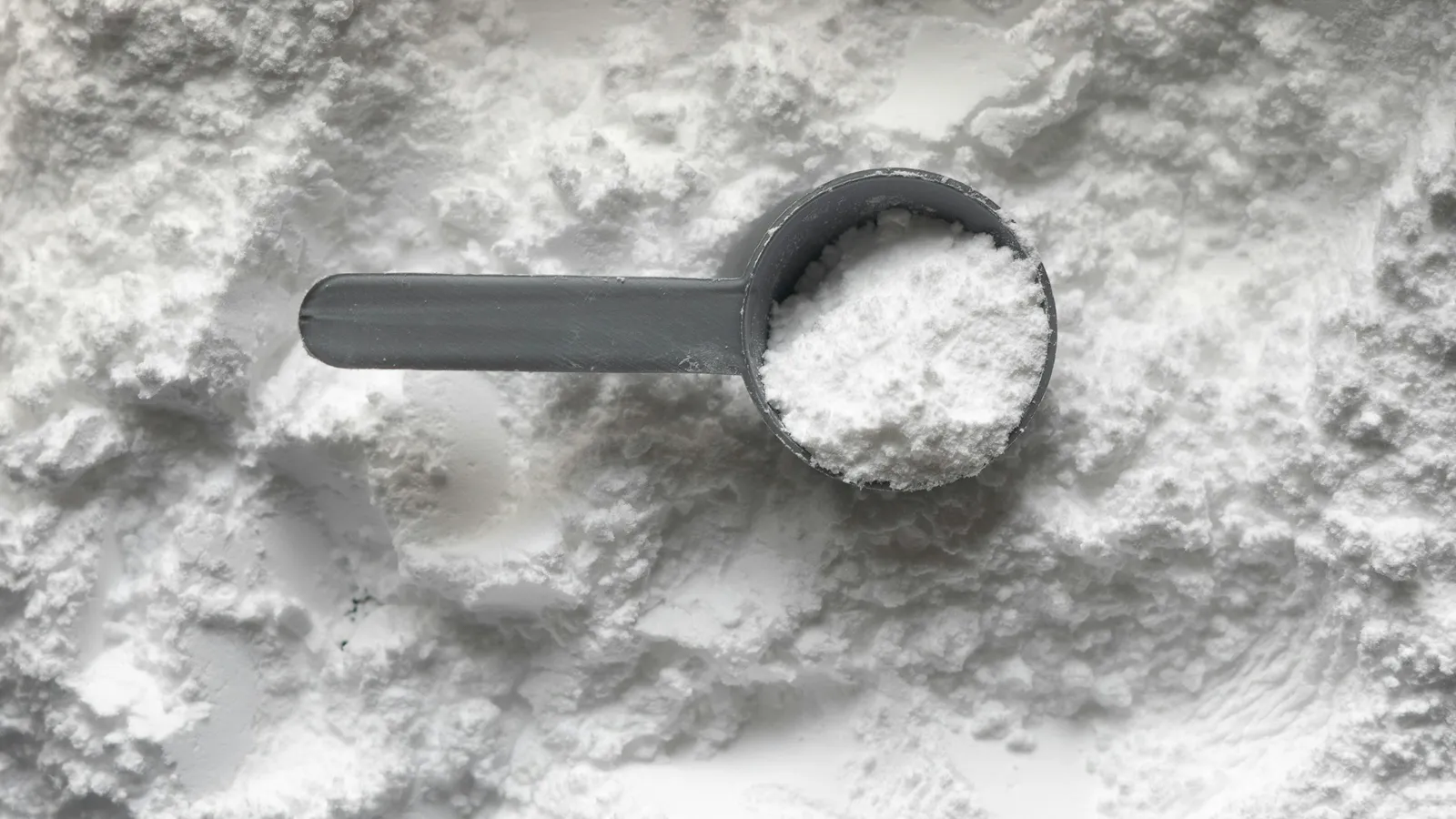
Captive reptiles eat a far narrower diet than they would in the wild. Feeder insects in particular are low in calcium and some vitamins. Supplements fill those gaps. Used correctly, they help prevent metabolic bone disease and other deficiencies. Used carelessly, they can cause problems of their own.
This guide explains the three powders most keepers use, how often to use them, and how they work together with UVB lighting.
Why reptiles need supplements
Two minerals matter most for bone health: calcium and phosphorus. Reptiles need more calcium than phosphorus, ideally around a 2:1 ratio or higher. Most feeder insects have the opposite balance, with far more phosphorus than calcium.
To use calcium, reptiles also need vitamin D3. They get it in two ways:
- From UVB light, which lets the skin make D3 (see UVB lighting explained).
- From the diet, through supplements or whole prey.
Without enough calcium and D3, the body takes calcium from the bones. The result is metabolic bone disease (MBD).
The three main supplements
Calcium with D3
Calcium with D3 provides calcium plus vitamin D3, so your reptile can absorb it even with limited UVB. It's the most important supplement for insect-eating reptiles, especially nocturnal species and animals kept without strong UVB.
Calcium without D3
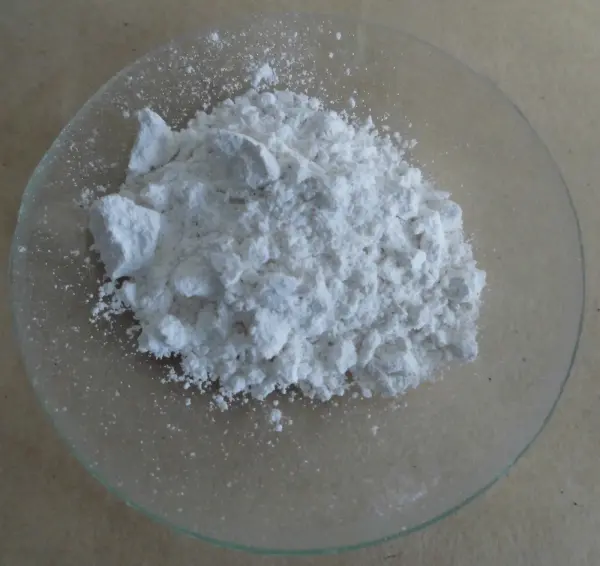
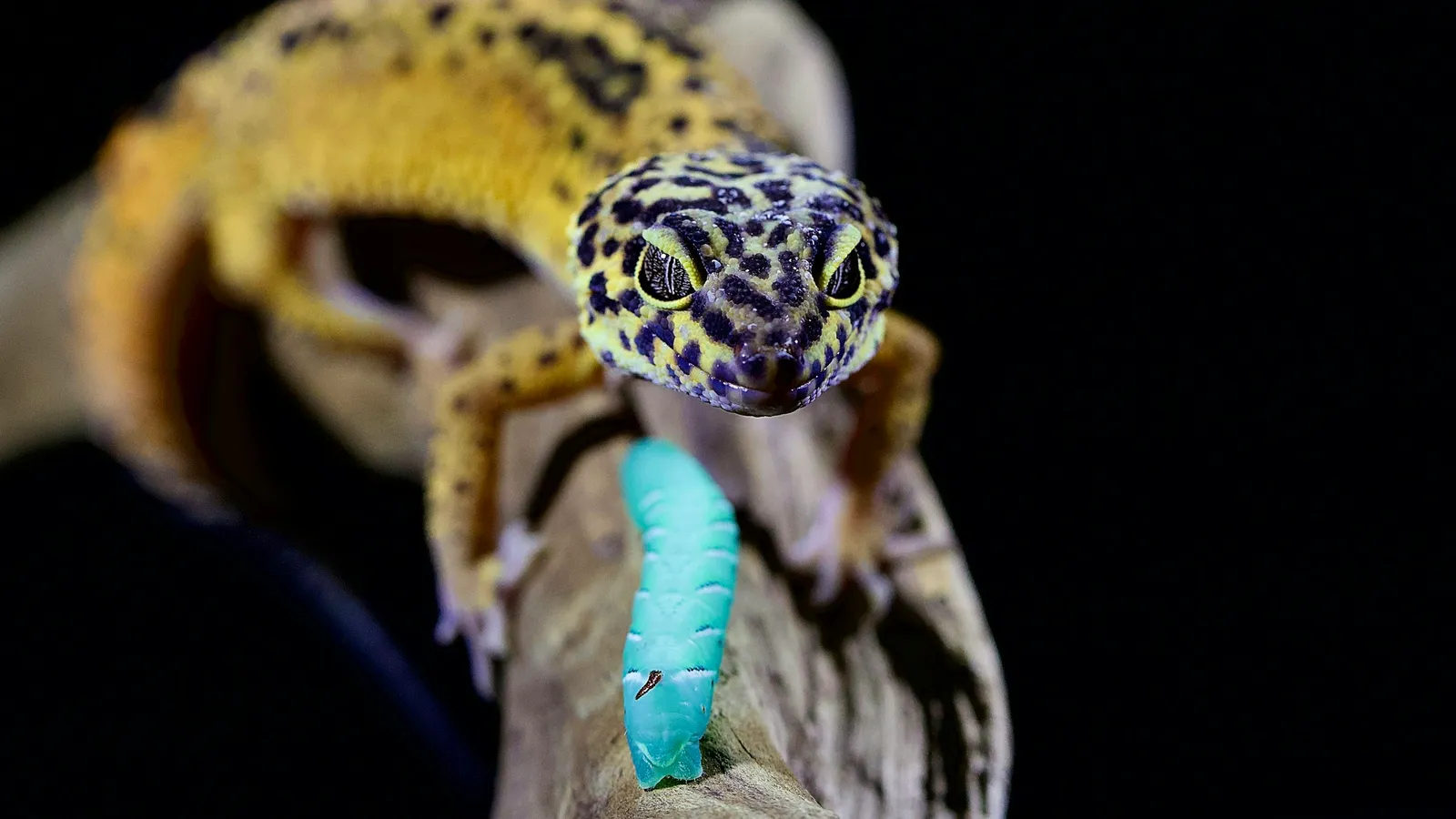
Calcium without D3 is plain calcium carbonate. It's useful when a reptile gets strong UVB and makes its own D3, so you can provide extra calcium without overdoing vitamin D3. Many keepers leave a small dish in the enclosure for species that lick calcium as needed, such as leopard geckos.
Multivitamin
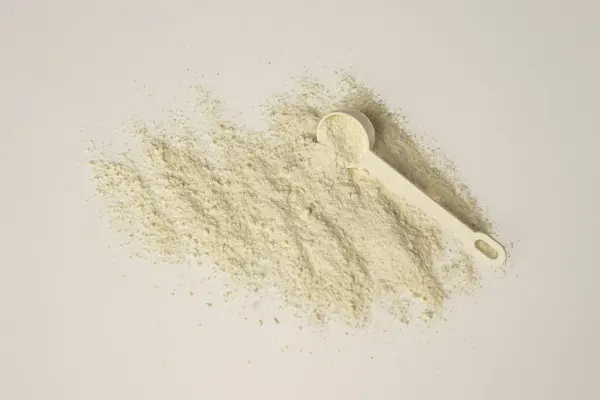
A reptile multivitamin covers vitamins A, E and B vitamins, plus trace minerals that insects lack. It's used less often than calcium.
Some multivitamins contain preformed vitamin A, and some contain beta carotene, which the body converts to vitamin A as needed. Beta carotene is less likely to cause overdose, but some species, notably chameleons, may not convert it efficiently. Ask your vet which suits your animal.
A typical dusting schedule
These schedules are common starting points for insect-eating lizards with appropriate UVB. Adjust with your vet's advice.
| Life stage | Calcium with D3 | Calcium without D3 | Multivitamin |
|---|---|---|---|
| Juvenile (growing) | Most feedings | — | Once a week |
| Adult | 2–3 feedings a week | Other feedings, optional | Once every 1–2 weeks |
| Gravid female | Most feedings, under vet guidance | Dish available | Once a week |
| Without UVB | Every feeding (light dusting) | — | Once a week |
Dust lightly. A thin, even coat, like powdered sugar on a doughnut, is enough. Heavily caked insects are unpalatable and don't add benefit.
Which reptiles need supplements?
- Insectivores (leopard geckos, fat-tailed geckos): yes, always.
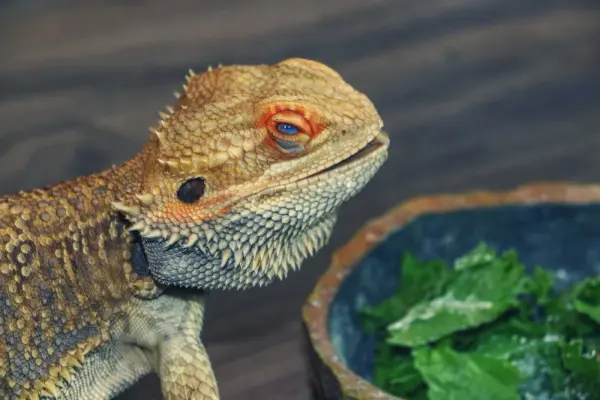
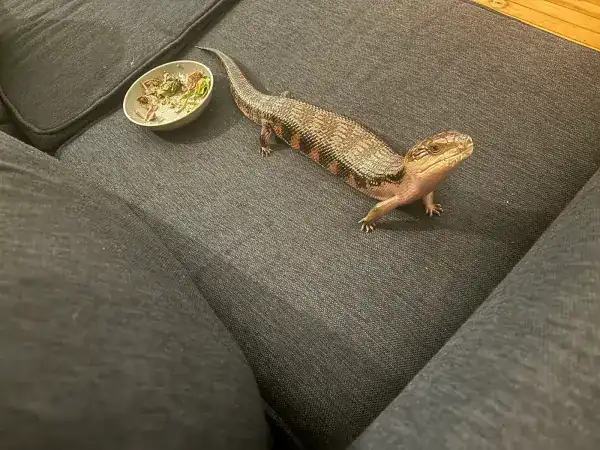
- Omnivores (bearded dragons, blue-tongued skinks): yes, on insects and sometimes lightly on greens.
- Herbivores (uromastyx, tortoises): usually a light calcium dusting on greens a few times a week, with good UVB.
- Crested geckos on a complete powdered diet: the diet is already balanced. Dust any insects you feed.
- Snakes eating whole rodents: no supplements needed. Whole prey provides complete nutrition.
Choosing feeders that help
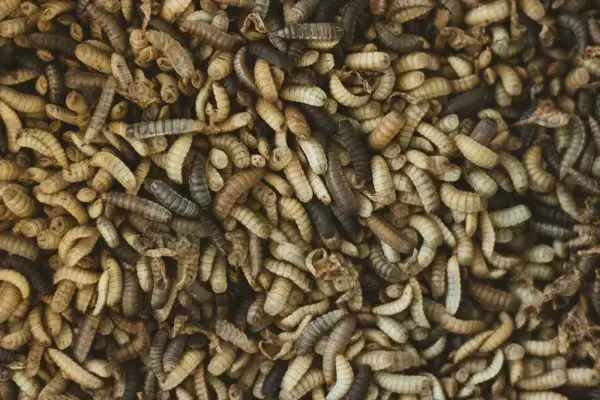
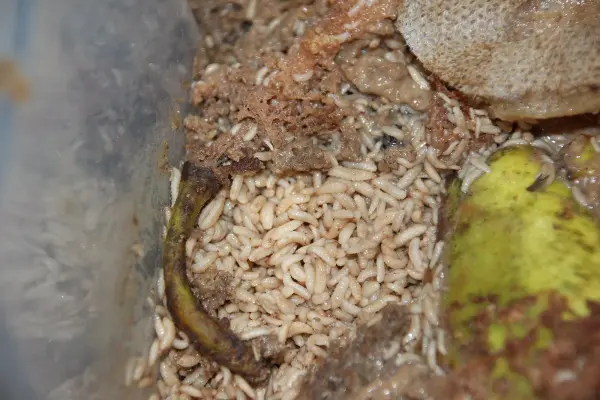
Some feeders improve the calcium balance on their own. Black soldier fly larvae, both live and dried, are naturally high in calcium. Gut-loading insects with calcium-rich greens for 24–48 hours also helps. Our guide to what reptiles eat covers gut-loading in detail.
Signs of too little
Calcium or D3 deficiency usually develops slowly:
- Weakness, lethargy or reduced appetite.
- Twitching or trembling toes and limbs.
- Swollen limbs or a soft, rubbery jaw.
- A kinked tail or spine, or bowed legs.
- Difficulty climbing or lifting the body.
These are signs of possible MBD. See a reptile vet promptly. Early MBD can often be treated, but advanced damage may be permanent.
Signs of too much
Over-supplementation is less common, but it does happen, usually from heavy D3 use combined with strong UVB, or from repeated doses of preformed vitamin A.
- Too much vitamin D3 can cause calcium deposits in soft tissues and kidney damage.
- Too much vitamin A can cause skin problems and organ damage.
Stick to light dustings, follow the schedule, and don't add extra supplements on top without vet advice.
Storing supplements
Supplements lose potency over time, especially vitamins. Keep them sealed, cool and dry, and replace them about every 6 months after opening. Write the opening date on the lid.
Track your reptile's condition
Weigh your reptile monthly with a digital gram scale and keep a simple log of weight, feedings and supplements. Changes show up in the numbers before you notice them by eye. Our article on signs of a healthy reptile explains what else to watch.
Frequently asked questions
Should I use calcium with or without D3?
If your reptile has limited UVB or is nocturnal, calcium with D3 is important. If it has strong, correctly placed UVB, many keepers alternate between the two, or use calcium without D3 most of the time. Ask your vet for a schedule that fits your setup.
How often should I dust insects with calcium?
Juveniles usually get calcium at most feedings, and adults 2–3 times a week. Use a light dusting rather than a thick coat.
Can you give a reptile too much calcium?
Yes, especially when combined with high vitamin D3. Too much can lead to mineral deposits in soft tissues. Follow a schedule and avoid adding extra supplements without vet advice.
Do snakes need calcium supplements?
No. Snakes that eat whole rodents get calcium from the bones and vitamins from the organs of their prey, so supplements aren't needed.
About the author: ScaleHaven Care Team
Reptile keepers and breeders at ScaleHaven Reptiles
Our care team raises and looks after every animal we sell, from hatchling to shipping day. We write these guides from the husbandry we use in our own facility, and we review them as best practice evolves. For health concerns, always consult a qualified reptile veterinarian.