What Do Reptiles Eat? Feeder Insects and Rodents Explained
A practical guide to reptile diets, covering insectivores, herbivores and carnivores, the best feeder insects, gut-loading, rodent sizes and safe frozen/thawed feeding.
- By ScaleHaven Care Team
- Published
- 5 min read
Reptiles eat everything from tiny insects to whole rodents to fresh greens, and getting the diet right is one of the biggest factors in long-term health. This guide explains the main types of reptile diets, the feeders that make the best staples, and how to prepare and offer them safely.
Four types of reptile diet
| Diet | What they eat | Examples |
|---|---|---|
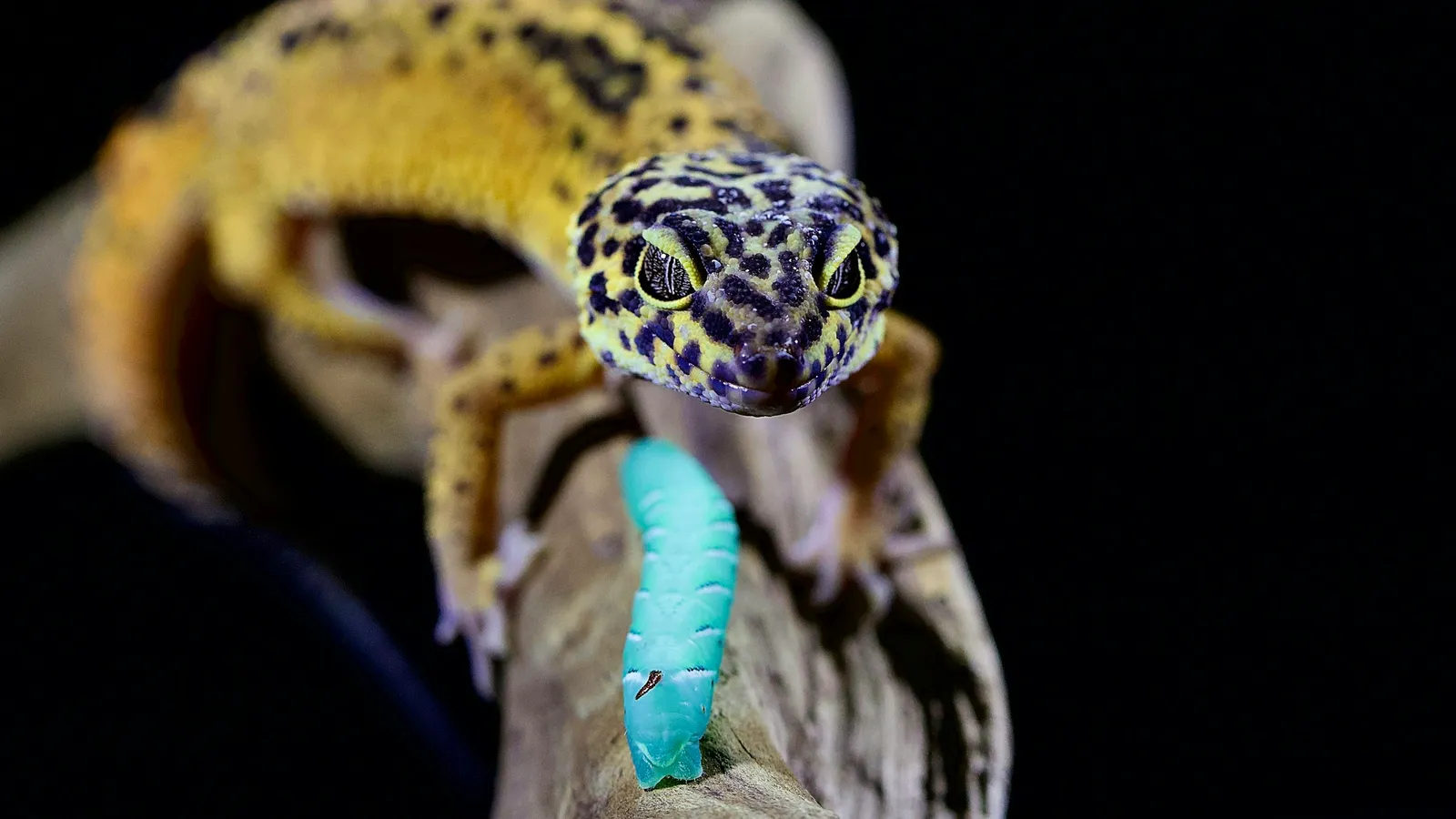
| Insectivores | Live insects and other invertebrates | Leopard geckos, African fat-tailed geckos |
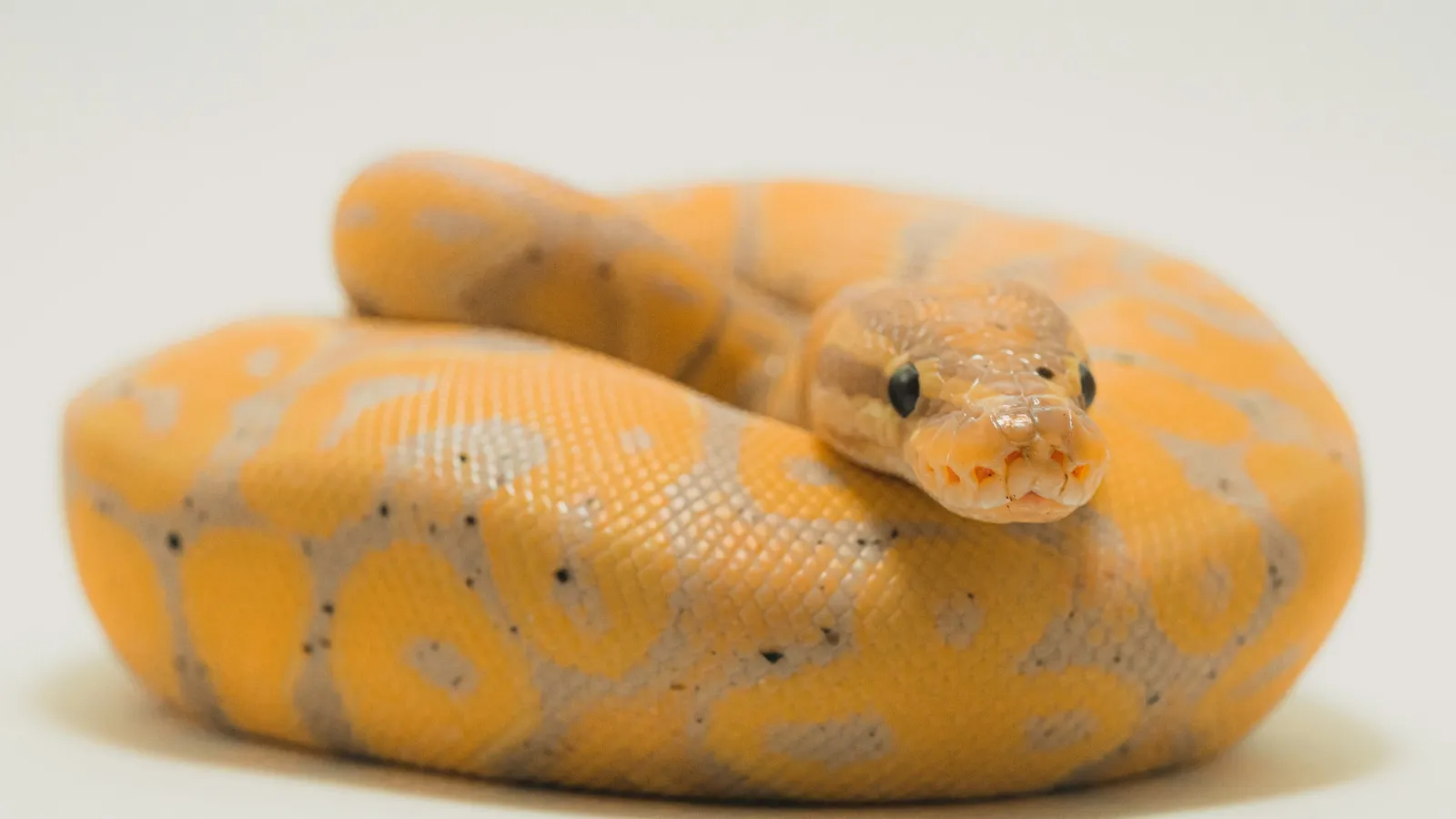
| Carnivores | Whole vertebrate prey such as rodents | Corn snakes, ball pythons, kingsnakes |
| Herbivores | Leafy greens, vegetables, flowers | Uromastyx, Russian and Hermann's tortoises |
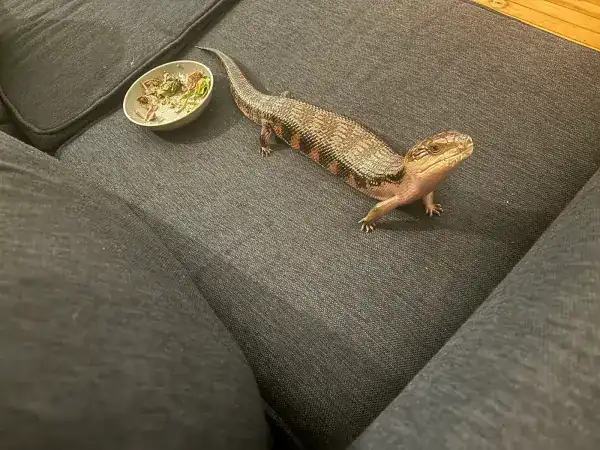
| Omnivores | A mix of insects and plants | Bearded dragons, blue-tongued skinks |
Crested geckos are a special case: they eat a complete powdered diet plus occasional insects. Our crested gecko care guide explains how.
Feeder insects
Staple insects
These are nutritious enough to make up most of an insect-eater's diet:
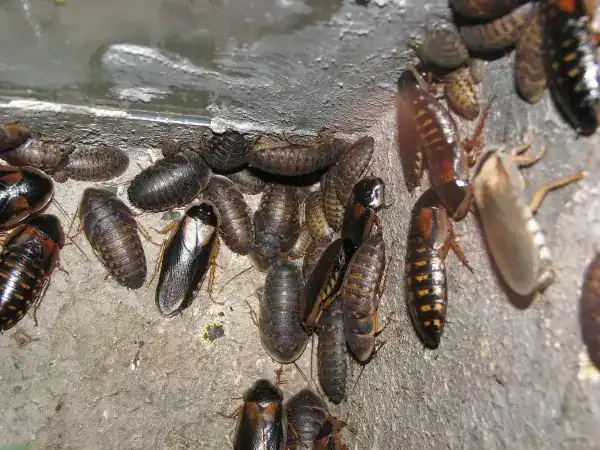
- Dubia roaches: high in protein, easy to keep, can't climb smooth surfaces, don't smell or chirp. A favorite staple.
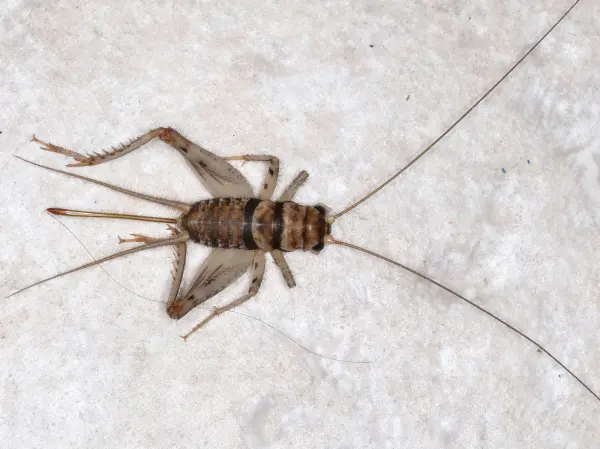
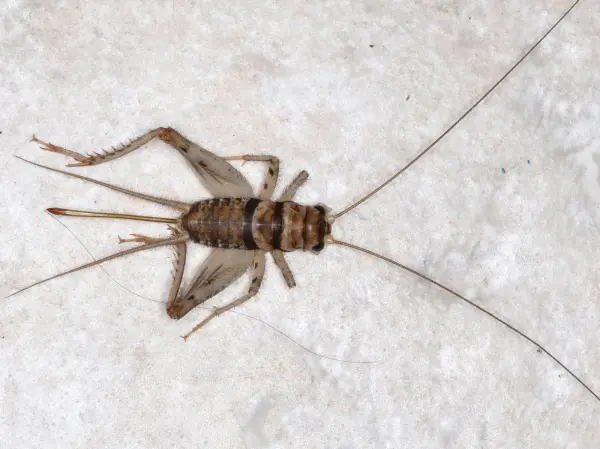
- Crickets: active movement triggers a strong feeding response. They're noisy and short-lived, and they can nibble a resting reptile, so remove leftovers.
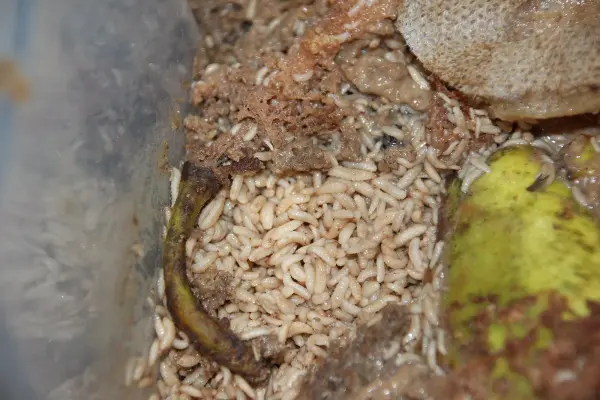
- Black soldier fly larvae: naturally high in calcium, so they need less dusting. Great for juveniles.
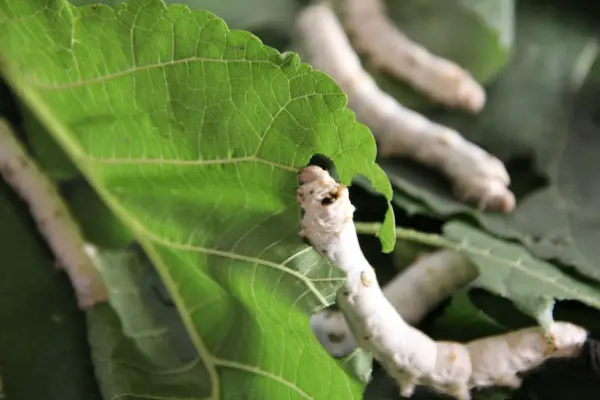
- Silkworms: soft-bodied, nutritious and easy to digest. Good for picky eaters and recovering animals.
Treat insects
These are useful for variety, but too fatty or unbalanced to be the main diet:
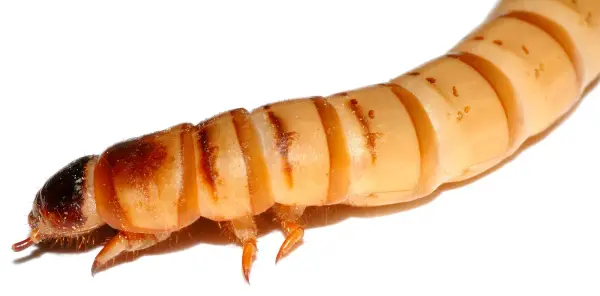
- Mealworms and superworms: high in fat. Fine in moderation.
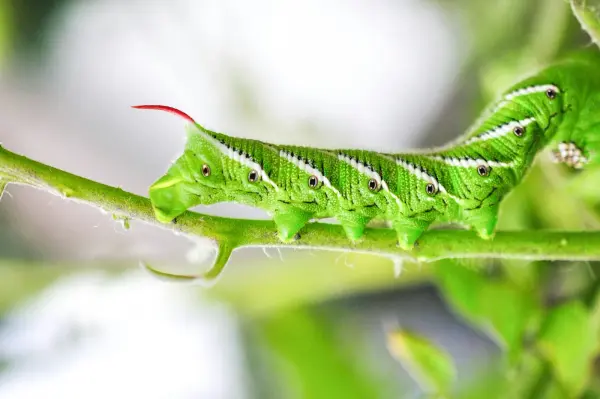
- Hornworms: high in moisture and irresistible to most lizards. Great for hydration, but low in protein.
- Waxworms: very high in fat. A rare treat or for putting weight on a thin animal under vet advice.
Wild-caught insects
Avoid feeding insects caught outside. They may carry parasites or pesticides, and some, such as fireflies, are toxic to reptiles.
Gut-loading and dusting
A feeder insect is only as nutritious as what it ate.
- Gut-loading: feed insects a nutritious diet of fresh vegetables, greens and a commercial gut-load for 24–48 hours before offering them.
- Dusting: lightly coat insects with calcium or a multivitamin just before feeding. Put the insects in a cup or bag with a pinch of powder and shake gently.
Our guide to calcium and vitamin supplements explains which powder to use and how often.
Insect size
A good rule: offer insects no longer than the space between your reptile's eyes. Prey that's too large can cause choking, regurgitation or impaction, especially in young animals.
Feeding rodents to snakes
Most pet snakes eat whole rodents, which provide complete nutrition including bones, organs and fur. No supplements are needed.
Frozen/thawed is safest
Feed frozen/thawed rather than live prey. Live rodents can bite and seriously injure a snake, sometimes fatally. Frozen prey is also more convenient, can be bought in bulk and reduces the risk of parasites.
Rodent sizes
| Size | Rough weight | Typical use |
|---|---|---|
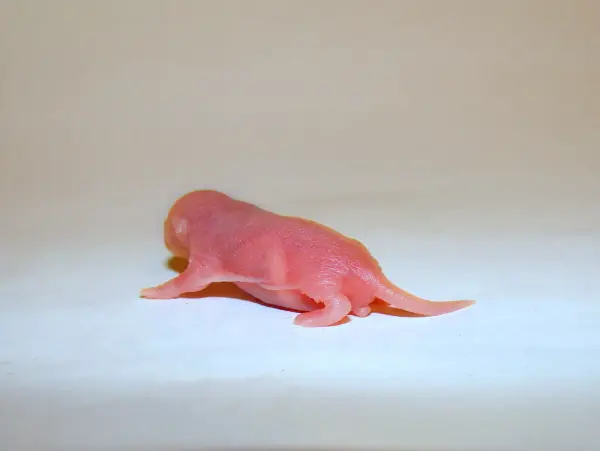
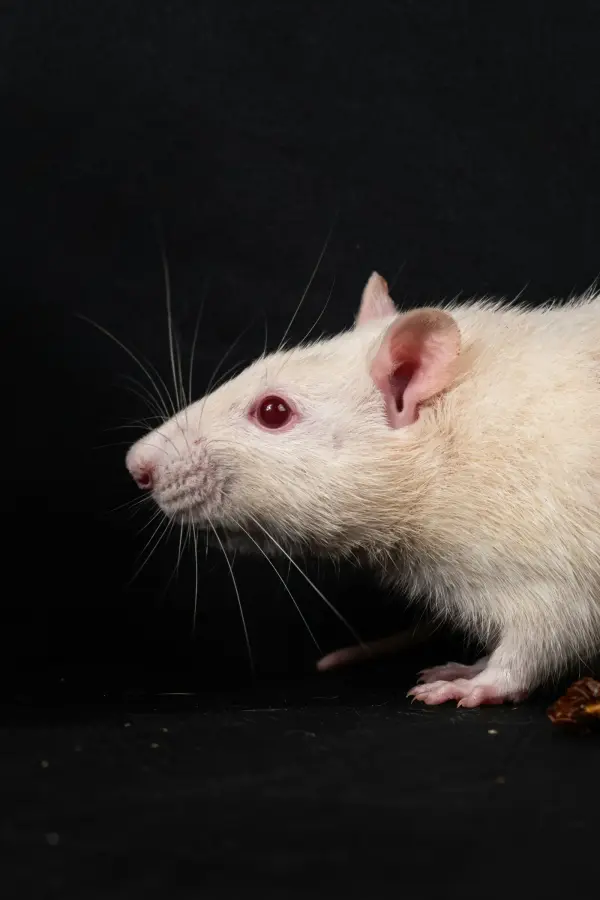
| Pinky mouse | 1–3 g | Hatchling corn snakes and kingsnakes |
| Fuzzy mouse | 4–7 g | Young colubrids |
| Hopper mouse | 8–12 g | Hatchling ball pythons, juvenile corn snakes |
| Adult mouse | 18–30 g | Adult corn snakes, juvenile ball pythons |
| Small rat | 40–80 g | Adult male ball pythons |
| Medium rat | 80–150 g | Adult female ball pythons, larger snakes |
Choose prey about as wide as the snake's thickest point, or up to about 1.25 times for ball pythons.
Thawing safely
- Thaw prey in the fridge overnight in a sealed bag.
- Just before feeding, warm the sealed bag in hot (not boiling) water for 10–20 minutes, until it's warm all the way through.
- Never microwave prey. It heats unevenly and can burst.
- Offer with feeding tongs to keep your fingers out of the strike zone.
- Discard any prey the snake doesn't eat. Never refreeze thawed prey.
Feeding herbivores and omnivores
Plant-eating reptiles need variety. Rotate dark leafy greens such as collard, mustard, turnip and dandelion greens, plus endive, with smaller amounts of vegetables like squash and bell pepper. Keep fruit as an occasional treat.
Limit or avoid foods high in oxalates (such as spinach used as a staple), very watery low-nutrient greens like iceberg lettuce, and toxic foods such as avocado and rhubarb. Tortoises also benefit from grasses, weeds and hay, and a high-fiber pellet like our grassland tortoise diet can add variety.
How often to feed
Young reptiles grow quickly and eat more often than adults. As a general guide:
- Insectivorous lizards: juveniles daily, adults every 2–3 days.
- Snakes: hatchlings every 5–7 days, adults every 10–21 days, depending on species.
- Herbivores: fresh greens daily.
Overfeeding is common, especially with adult lizards and snakes, and leads to obesity and fatty liver disease. Weigh your reptile monthly and adjust.
Frequently asked questions
What is the best feeder insect for reptiles?
Dubia roaches and black soldier fly larvae are excellent staples for most insect-eating reptiles. Dubias are high in protein and easy to keep, and black soldier fly larvae are naturally rich in calcium. Variety is best.
Should I feed my snake live or frozen mice?
Frozen/thawed is safer and recommended for almost all pet snakes. Live rodents can injure snakes, and frozen prey is more convenient and lower risk for parasites.
How do I gut-load crickets?
Feed crickets fresh vegetables, leafy greens and a commercial gut-load diet for 24–48 hours before offering them to your reptile. Provide a moisture source such as a slice of vegetable or water gel.
Can reptiles eat fruit?
Some omnivores and herbivores can eat small amounts of fruit as an occasional treat. Insectivores like leopard geckos and carnivores like snakes can't digest fruit and shouldn't be fed it.
About the author: ScaleHaven Care Team
Reptile keepers and breeders at ScaleHaven Reptiles
Our care team raises and looks after every animal we sell, from hatchling to shipping day. We write these guides from the husbandry we use in our own facility, and we review them as best practice evolves. For health concerns, always consult a qualified reptile veterinarian.