Crested Gecko Care Guide: Setup, Humidity and Diet
How to care for a crested gecko, covering tall enclosures, room-temperature heat, misting and humidity cycles, complete powdered diets and gentle handling.
- By ScaleHaven Care Team
- Published
- 5 min read
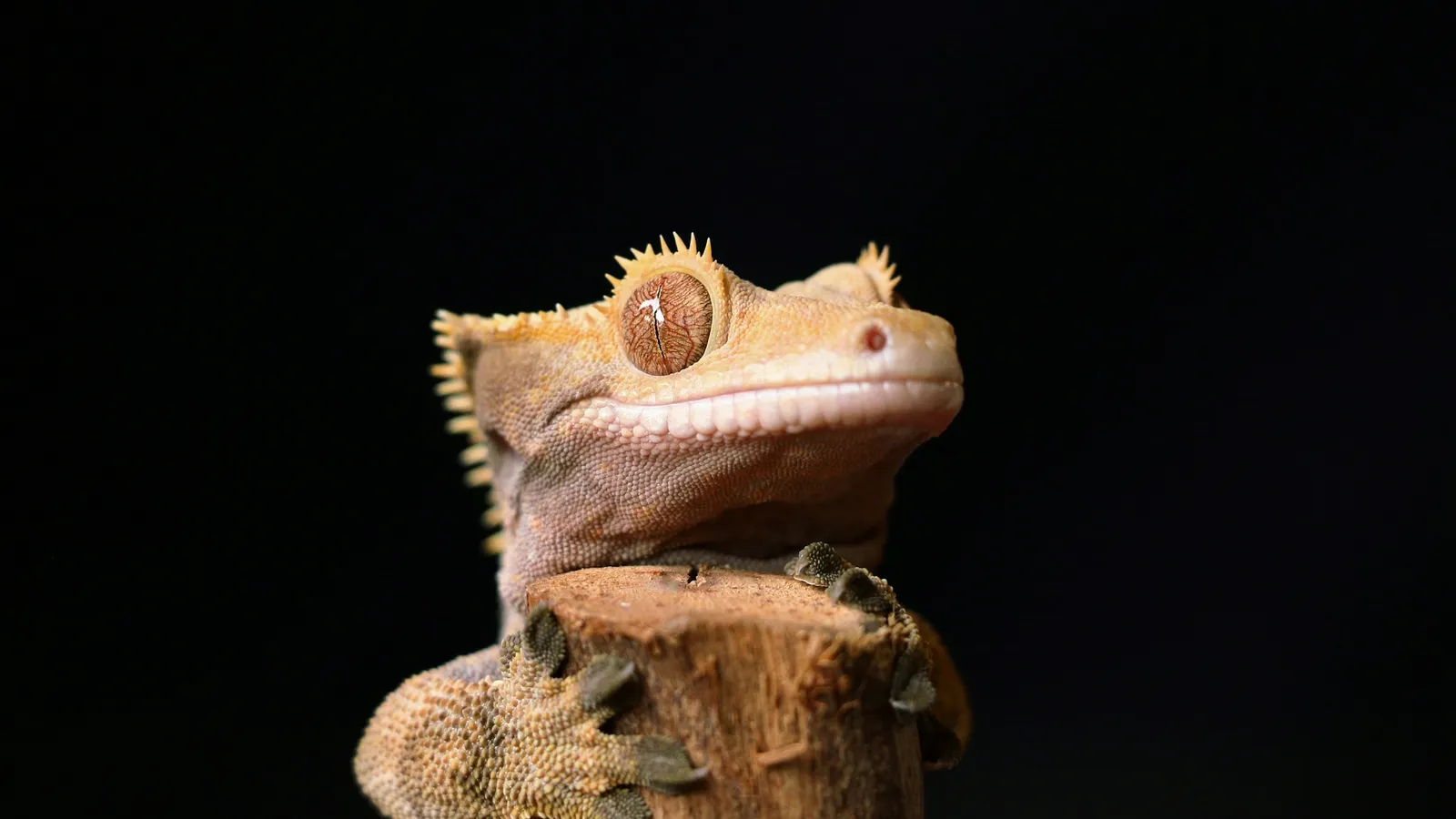
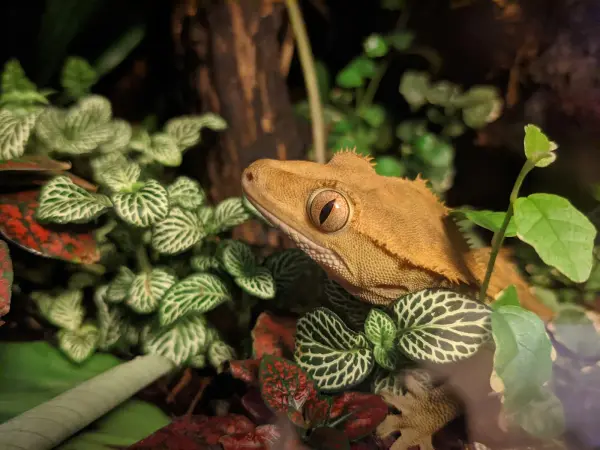
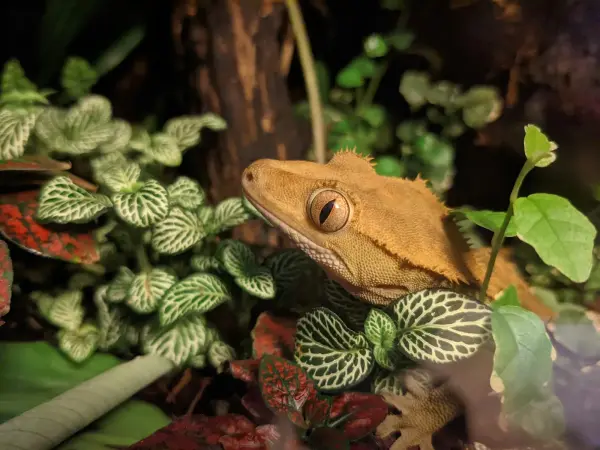
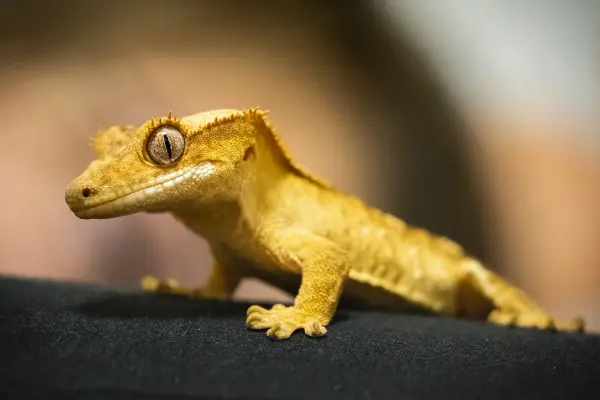
Crested geckos (Correlophus ciliatus) were thought to be extinct until they were rediscovered on the islands of New Caledonia in 1994. Today they're one of the most popular pet lizards in the world. They're easy-going, active at night, comfortable at normal room temperatures and happy on a complete powdered diet, which makes them an excellent choice for beginners. Adults reach 7–9 in (18–23 cm) including the tail and can live 15–20 years.
Enclosure
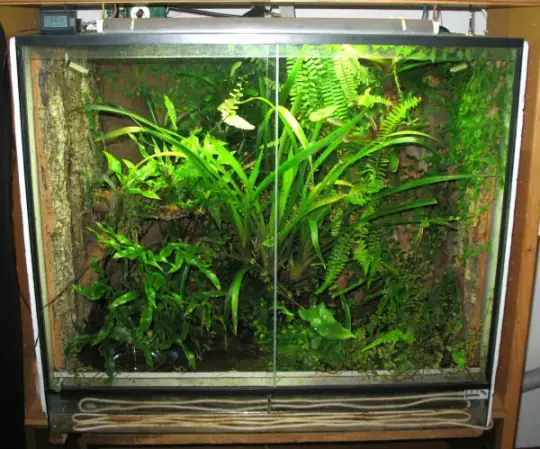
Crested geckos are arboreal: they live in trees and shrubs and spend most of their time climbing. Height matters more than floor space.
- Adults: an 18×18×24 in (45×45×60 cm) enclosure is the minimum for one adult. Taller is better, and our 18×18×36 arboreal terrarium gives an adult plenty of climbing room.
- Hatchlings and juveniles: a smaller enclosure (around 12×12×18 in) makes it easier for young geckos to find food. Move them up as they grow.
- Ventilation: front-opening glass enclosures with a mesh top provide good airflow, which is important because crested geckos need humidity without stagnant, damp air.
Our Crested Gecko Complete Starter Kit includes a correctly sized enclosure and the essentials to get started.
Furnishing for climbers
Fill the enclosure with climbing routes and cover at every height:
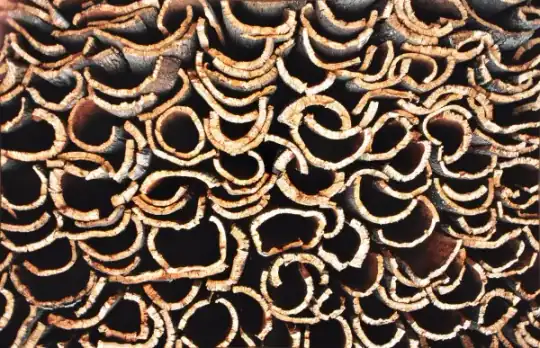
- Branches and cork bark tubes placed diagonally and horizontally.
- Dense live or artificial plants, especially near the top, where geckos like to sleep during the day.
- A shallow water dish, even though most crested geckos drink droplets from leaves.
Leave some open areas so the gecko can jump between perches. Crested geckos are excellent jumpers.
Substrate
A bioactive tropical setup works beautifully for crested geckos. See our bioactive terrarium guide. Otherwise, a mix of coco fiber and soil, topped with leaf litter, holds moisture well. Paper towel is fine for quarantine and very young geckos.
Temperature
Crested geckos come from a mild, subtropical climate and are sensitive to heat. This is the most important thing to get right.
| Zone | Target |
|---|---|
| Daytime | 72–78°F (22–26°C) |
| Night | 65–72°F (18–22°C) |
| Danger zone | Above 82°F (28°C) for long periods |
In most homes, room temperature is enough and no extra heat is needed. If your room drops below about 65°F, a low-wattage heat source on a thermostat at the top of the enclosure can provide a gentle warm spot. In summer, keep the enclosure out of direct sunlight and away from heaters, because overheating can quickly become fatal.
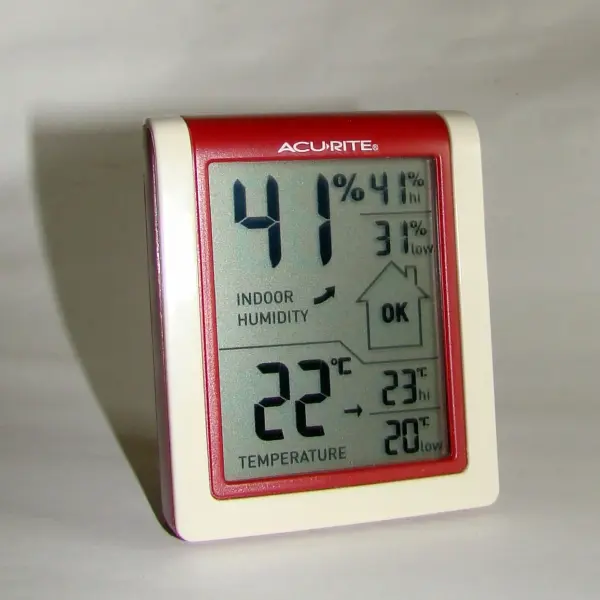
Use a digital thermometer and hygrometer with a probe so you can see both temperature and humidity at a glance.
Humidity and misting
Crested geckos need a daily humidity cycle, not constant dampness.
- Evening: mist the enclosure thoroughly so humidity rises to 70–80%. Geckos drink the droplets and use the moisture to shed.
- Daytime: let it dry down to around 50–60%.
Constantly wet conditions encourage mold, bacterial infections and respiratory problems. Mist once or twice a day with a hand sprayer, or use an automatic misting system on a timer for consistency. Our humidity guide has more tips on raising and lowering humidity.
Lighting
Crested geckos are nocturnal, but research and keeper experience suggest they benefit from low-level UVB, such as a 5–6% tube over the top of the enclosure. Provide plenty of shade so they can choose how much light they get. Run lights on a 12-hour timer, and turn them off completely at night.
Diet
One of the best things about crested geckos is how easy they are to feed.
- Complete powdered diet: a commercial crested gecko diet, mixed with water to a ketchup-like consistency, provides balanced nutrition. Our Complete Crested Gecko Diet is designed as a staple.
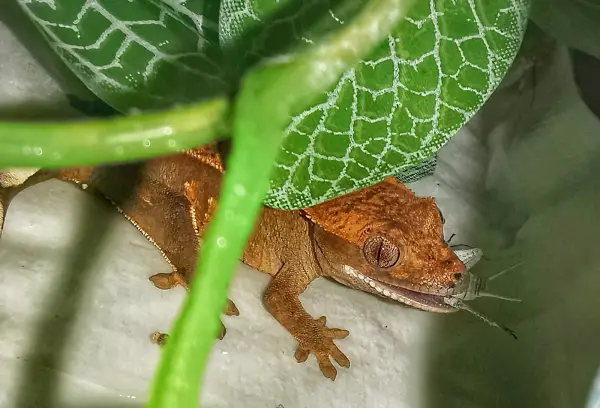
- Insects: offer gut-loaded crickets, dubia roaches or black soldier fly larvae once or twice a week for enrichment and extra protein, lightly dusted with calcium.
- Fruit: small amounts of mashed fruit as an occasional treat only. Fruit alone isn't a balanced diet.
| Age | Powdered diet | Insects |
|---|---|---|
| Hatchling and juvenile | Fresh dish every other day | 2–3 times a week |
| Adult | Fresh dish 3 times a week | Once or twice a week |
Remove uneaten diet after 24–48 hours before it spoils. Place the dish high up, on a ledge or feeding cup holder, because crested geckos prefer to eat above the ground. For more on feeder insects, read what do reptiles eat?.
Handling
Crested geckos are generally calm, but young geckos can be jumpy. Let the gecko walk from hand to hand, close to a soft surface. Keep early sessions short, a few minutes at a time.
Never grab or restrain the tail. Crested geckos drop their tails when stressed, and unlike leopard geckos, their tails don't grow back. A tailless crested gecko lives a normal life, but it's best avoided.
Health checklist
- Weight: weigh monthly. Adults typically weigh 35–55 g.
- Sheds: check the toes and tail tip for stuck shed after each shed.
- Floppy tail syndrome: a tail that flops over the gecko's body when it hangs head-down may be linked to sleeping head-down on glass. Plenty of horizontal perches helps.
- Bones: a wavy spine or rubbery jaw can be a sign of metabolic bone disease. See a vet promptly.
If you're unsure what "normal" looks like, our article on signs of a healthy reptile is a good reference.
Frequently asked questions
Do crested geckos need a heat lamp?
Usually not. Crested geckos do best at 72–78°F, which is normal room temperature in most homes. Only add a low-wattage heat source, on a thermostat, if your room regularly drops below about 65°F.
How often should I mist a crested gecko enclosure?
Mist heavily once in the evening, and lightly in the morning if needed, so humidity peaks around 70–80% and then dries down to 50–60%. Constant wetness causes more problems than it solves.
Can crested geckos eat only fruit?
No. Fruit lacks protein, calcium and many vitamins. A complete powdered crested gecko diet should be the staple, with insects once or twice a week and fruit only as an occasional treat.
Will my crested gecko's tail grow back?
No. Unlike many other geckos, crested geckos can't regrow a dropped tail. Handle them gently, and never pick them up by the tail.
About the author: ScaleHaven Care Team
Reptile keepers and breeders at ScaleHaven Reptiles
Our care team raises and looks after every animal we sell, from hatchling to shipping day. We write these guides from the husbandry we use in our own facility, and we review them as best practice evolves. For health concerns, always consult a qualified reptile veterinarian.