Corn Snake Care Guide: Housing, Heat and Feeding
A practical corn snake care guide covering escape-proof enclosures, heat gradients, humidity, frozen/thawed feeding schedules, shedding and handling.
- By ScaleHaven Care Team
- Published
- 5 min read
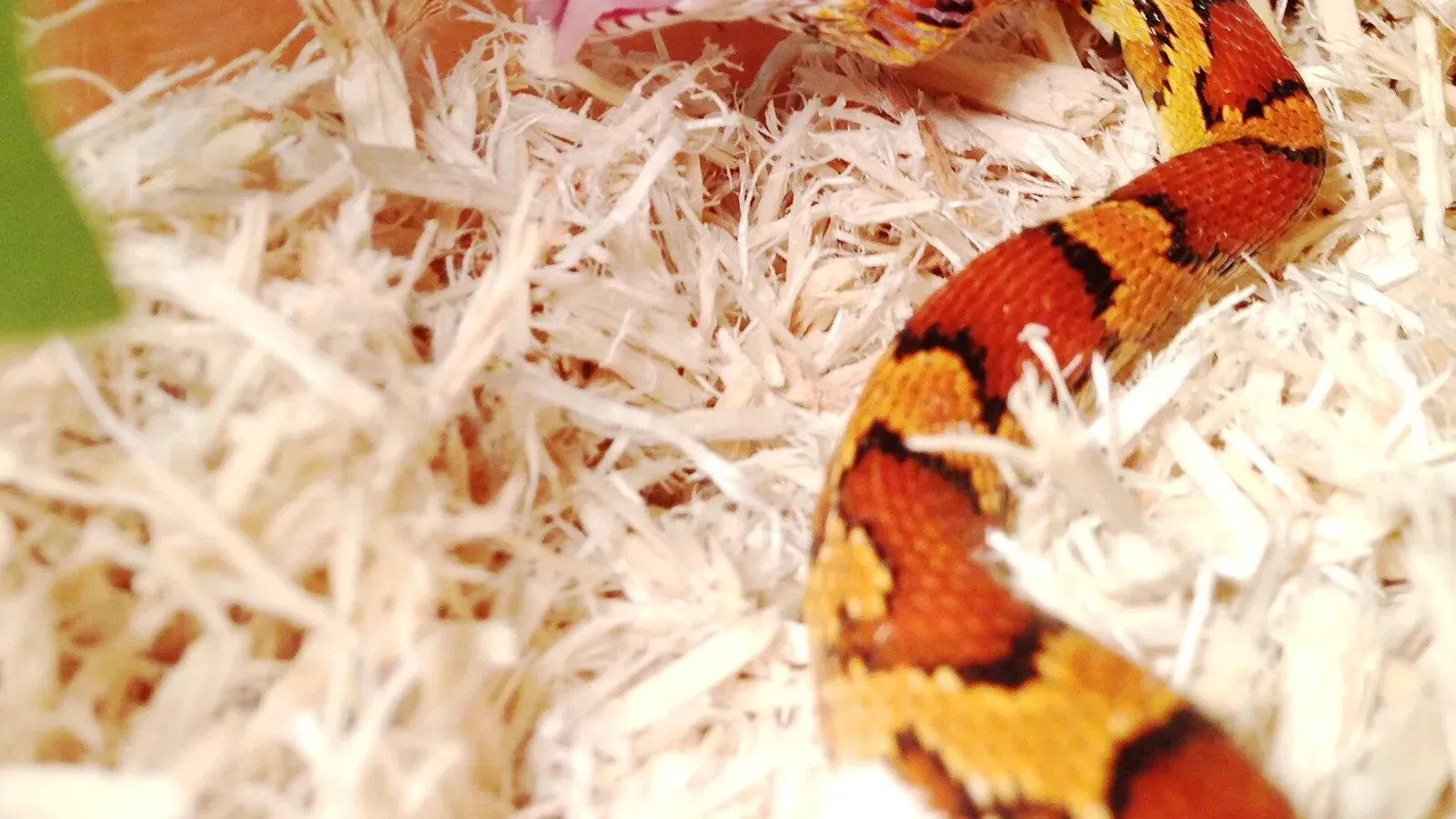
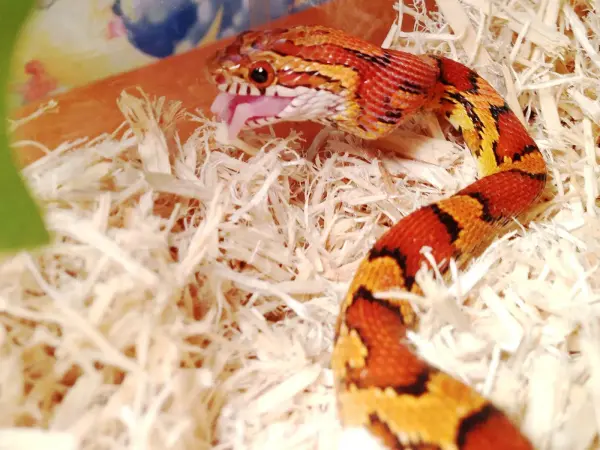
Corn snakes (Pantherophis guttatus) are slender, docile snakes from the southeastern United States, where they live in pine woods, fields and abandoned buildings. Their name likely comes from their habit of hunting rodents around corn stores, or from the checkered, corn-like pattern on their bellies. They reach 3–5 ft (90–150 cm), live 15–20 years or more, feed readily and come in a huge range of colors. That makes them one of the best snakes for a first-time keeper.
Enclosure
- Adults: a 4×2×2 ft (120×60×60 cm) enclosure gives an adult corn snake room to explore and climb. Corn snakes are active and curious, and they use the space.
- Hatchlings: start in a smaller enclosure, or a larger one with lots of cover, so they feel secure and find food easily.
- Escape-proofing: corn snakes are famous escape artists. They can squeeze through surprisingly small gaps and push up loose lids. Use an enclosure with locking doors, such as our 4×2×2 PVC reptile enclosure, and check every gap.
Substrate and decor
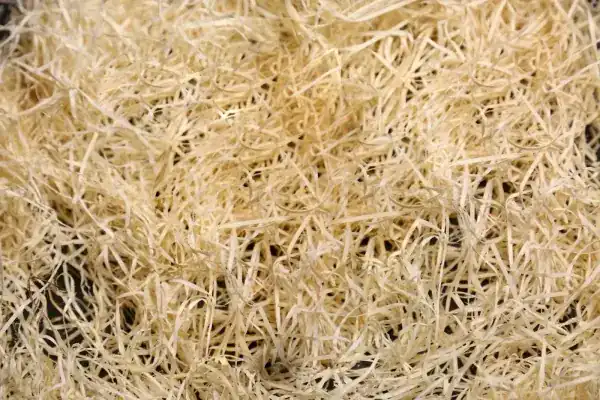
Aspen shavings, a soil and sand mix or cypress mulch all work well. Corn snakes love to burrow, so give them a few inches of loose substrate. Add:
- At least two hides, one warm and one cool.
- Branches and cork bark for climbing. Corn snakes climb more than many people expect.
- Artificial or live plants for cover.
- A water dish large enough to soak in, cleaned and refilled every few days.
Heat
Corn snakes need a temperature gradient so they can warm up and cool down as needed.
| Zone | Target |
|---|---|
| Basking surface | 85–90°F (29–32°C) |
| Warm-side air | 80–85°F (27–29°C) |
| Cool side | 70–75°F (21–24°C) |
| Night | 65–72°F (18–22°C) |
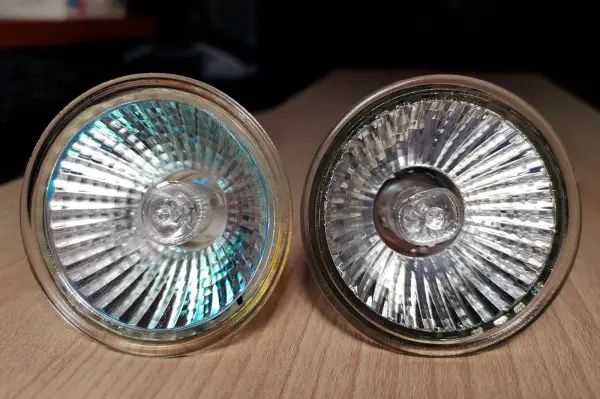
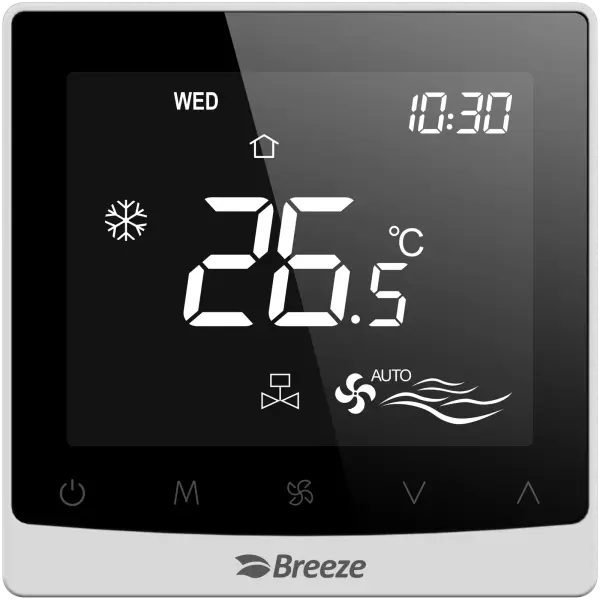
A halogen basking bulb over a flat rock or piece of cork bark makes a natural basking spot. Control it with a dimming thermostat and check the surface temperature with an infrared thermometer. Use a guard or fixture outside the enclosure so the snake can't touch the bulb.
Our reptile heating guide explains how to choose and place heat sources safely.
Lighting
Corn snakes don't strictly require UVB when they eat whole prey, but low-level UVB is increasingly recommended for its benefits to behavior and vitamin D3 production. Provide a 12-hour day and night cycle either way, using a timer, and turn all lights off at night.
Humidity
Keep humidity at 40–60%. Most homes are in this range already. Raise humidity a little when the snake is about to shed (its eyes turn cloudy and blue), or offer a humid hide with damp moss.
Feeding
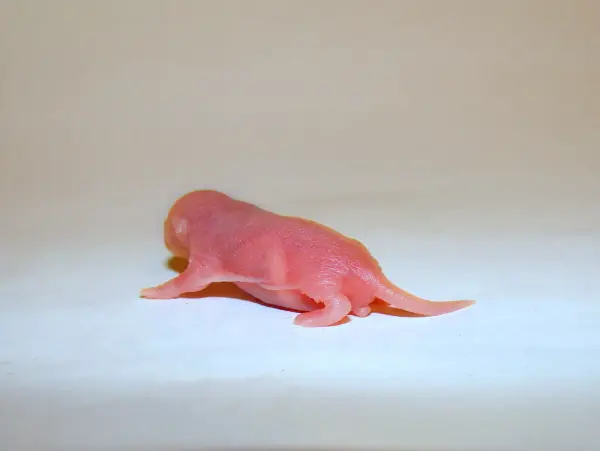
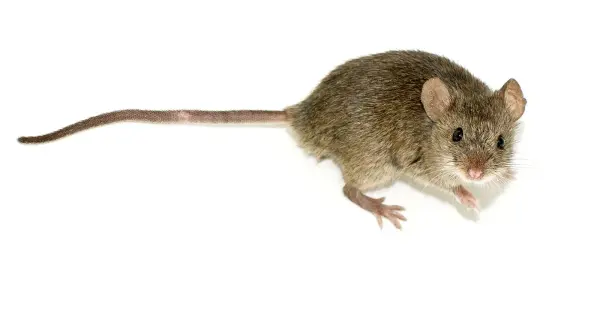
Corn snakes eat whole rodents. Feed frozen/thawed prey, because live rodents can injure snakes.
| Age | Prey | How often |
|---|---|---|
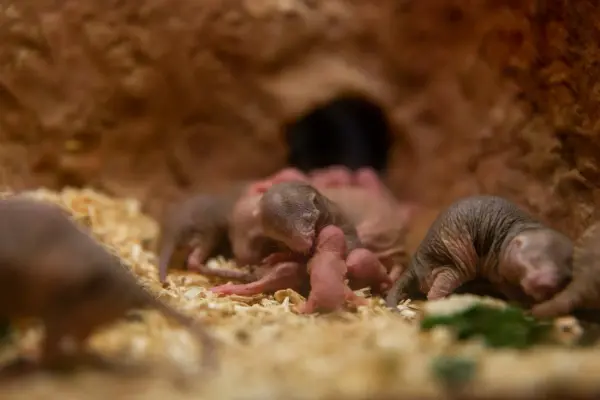
| Hatchling | Pinky mice | Every 5–7 days |
| Juvenile | Fuzzy and hopper mice | Every 7–10 days |
| Adult | Adult mice | Every 10–14 days |
- Prey size: about the same width as the snake's thickest point, or slightly larger. One appropriately sized meal is better than several tiny ones.
- Thawing: thaw in the fridge, then warm the sealed prey in hot water just before feeding. Never microwave.
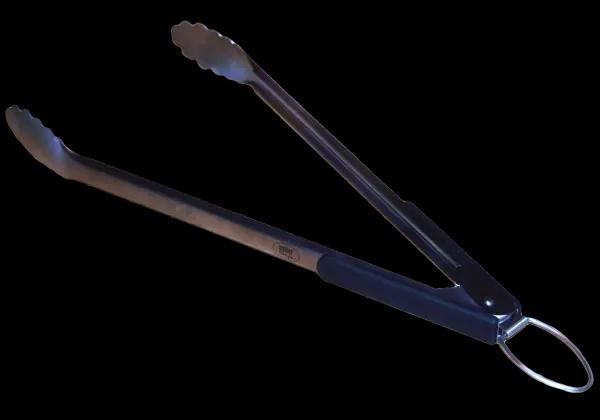
- Offering: use feeding tongs and wiggle the prey gently. Corn snakes often strike enthusiastically.
- After feeding: wait 48 hours before handling, to avoid regurgitation.
Many keepers feed in the enclosure. Feeding in a separate tub isn't necessary and can increase stress. Our guide to what reptiles eat covers rodent sizes in more detail.
Shedding
Corn snakes shed every 4–8 weeks, more often while growing. A day or two before shedding, the eyes turn milky blue and the snake may hide and refuse food. That's normal. A healthy shed comes off in one piece. If pieces stick, a humid hide or a shallow lukewarm soak usually helps.
Handling
Corn snakes are among the most handleable snakes. Give a new snake a week to settle, then start with short sessions. Lift from below with both hands and let the snake move through your fingers. Hatchlings can be jumpy and may musk or nip, but most calm down quickly with regular, gentle handling.
Popular corn snake morphs
Decades of captive breeding have produced hundreds of corn snake color and pattern morphs, and every one has the same care needs. A few classics:
- Normal or Okeetee: the wild-type look, with red saddles outlined in black. Okeetees have especially bold black borders.
- Amelanistic (amel): no black pigment, so the snake shows orange and red saddles on a white or yellow background, with red eyes.
- Anerythristic (anery): no red pigment, giving a grey, black and silver snake.
- Snow: amel and anery combined, producing a pale pink and white snake that often deepens in color with age.
Choose the morph you love. Health, feeding history and temperament matter far more than color.
Health checklist
- Body condition: a healthy corn snake is rounded, not triangular, in cross-section.
- Breathing: no wheezing, bubbles or open-mouth breathing.
- Mouth: pink and clean, with no swelling or cheesy material.
- Mites: check for tiny black dots around the eyes and chin, or in the water dish.
For more warning signs, read signs of a healthy reptile and when to see a vet.
Frequently asked questions
How big do corn snakes get?
Most adult corn snakes are 3–5 ft (90–150 cm) long and slender. A 4×2×2 ft enclosure gives an adult enough room to stretch out and climb.
How often should I feed my corn snake?
Hatchlings eat every 5–7 days, juveniles every 7–10 days and adults every 10–14 days. Choose prey about as wide as the snake's thickest point.
Do corn snakes bite?
Corn snakes rarely bite once they're used to handling. Hatchlings may strike defensively at first, but their bites are small and harmless. Gentle, regular handling helps them settle.
Can corn snakes live together?
It's best to house corn snakes individually. Cohabiting snakes can compete for heat and food, and there's a risk of cannibalism during feeding.
About the author: ScaleHaven Care Team
Reptile keepers and breeders at ScaleHaven Reptiles
Our care team raises and looks after every animal we sell, from hatchling to shipping day. We write these guides from the husbandry we use in our own facility, and we review them as best practice evolves. For health concerns, always consult a qualified reptile veterinarian.